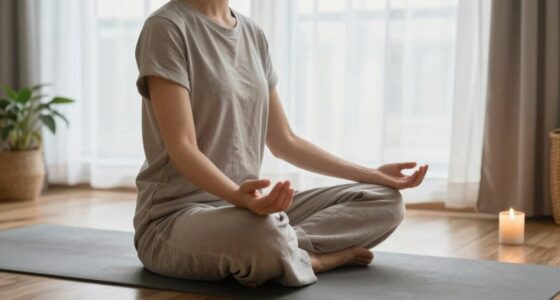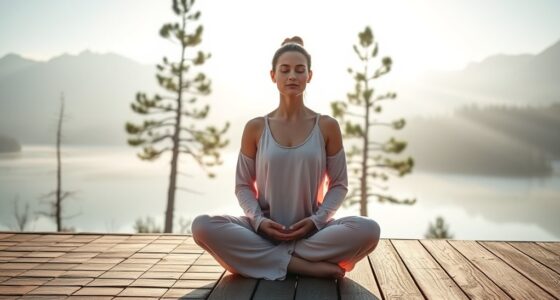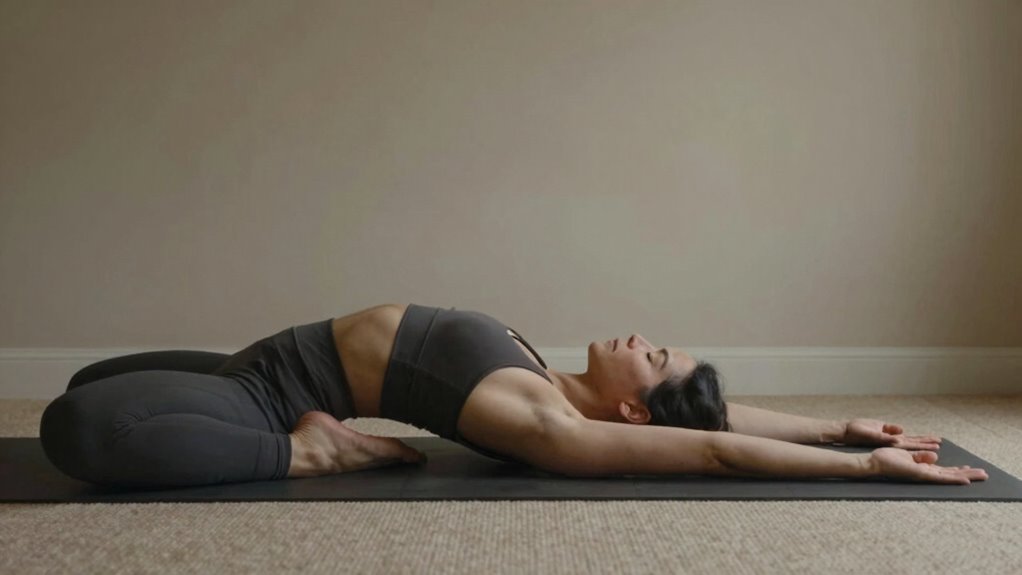

Yin Yoga feels so different because it encourages you to slow down, stay in poses longer, and focus on inner sensations rather than movement. You’ll notice a deep sense of stillness and relaxation, helping you connect more intimately with your emotions and physical feelings. The practice promotes patience and mindfulness, creating space for emotional releases and inner insight. If you stay present, you’ll discover even more about how this gentle style nurtures your mind and body.

Turn your wind-down time into listening time
- Thousands of audiobooks, podcasts and originals
- Listen on your phone, tablet or Echo — also offline
- Cancel anytime
Key Takeaways
- Emphasizes stillness and long-held poses to deepen awareness and promote inner reflection.
- Uses gentle, mindful breathing to enhance relaxation and emotional release.
- Facilitates emotional healing by allowing feelings to surface without judgment.
- Encourages deep connection with inner sensations and habitual patterns.
- Focuses on patience and surrender, fostering a profound sense of calm and resilience.
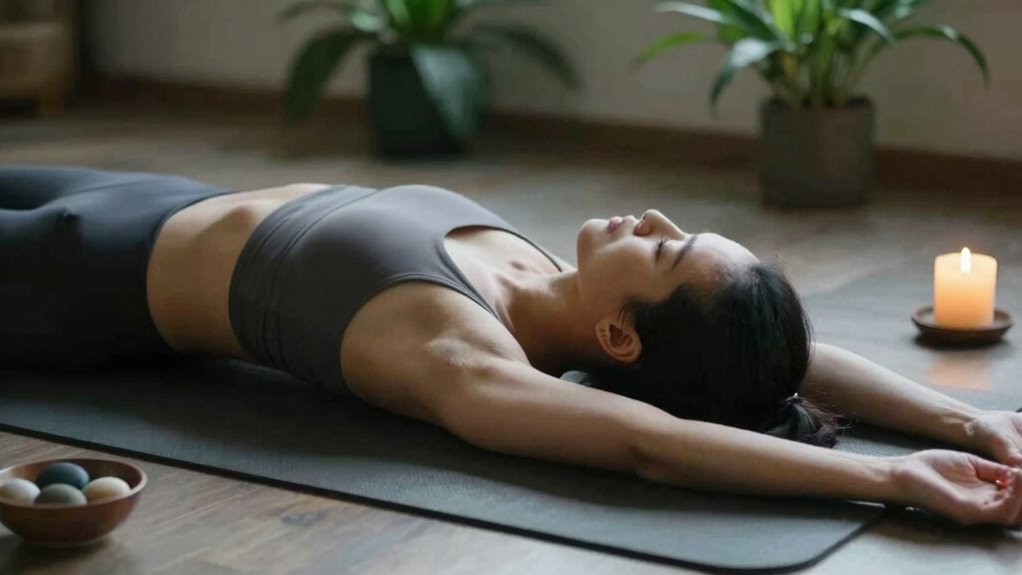
Yin Yoga encourages you to slow down and tune into your inner sensations, creating a deep sense of awareness and calm. Unlike more dynamic styles of yoga, Yin emphasizes stillness and patience, inviting you to sit with your feelings and physical sensations without rushing to change or fix them. As you hold gentle poses for extended periods, you begin to notice subtle shifts in your body, which often leads to unexpected emotional release. This process can feel intense or surprising, but it’s part of the healing journey Yin facilitates. Incorporating outdoor elements can enhance this experience by fostering a sense of connection with nature and further promoting relaxation.
Yin Yoga invites stillness, patience, and gentle awareness, unlocking emotional release and inner healing through extended poses.
One of the key elements that makes Yin Yoga feel so different is its focus on breathing techniques. Instead of deep, vigorous breaths, you learn to breathe softly and mindfully, encouraging relaxation and openness. Slow, diaphragmatic breathing helps you stay present, anchoring your attention to the sensations in your body. Over time, this controlled breathing reduces stress, calms your nervous system, and deepens your sense of stillness. As you breathe more consciously, you create space for emotional release, allowing long-held tensions and unresolved feelings to surface naturally.
The practice’s slow pace and sustained holds foster an environment where emotions can come to the surface without judgment. You might find yourself confronting feelings of sadness, frustration, or anxiety that you’d previously suppressed. This emotional release isn’t about wallowing in those feelings but rather acknowledging them and giving yourself permission to experience them fully. Yin Yoga acts as a gentle container, helping you process emotions in a safe, supportive way. It’s common to feel lighter or more liberated after a session, as old emotional baggage begins to dissolve.
Because Yin encourages you to stay present with your inner experience, it often feels more intimate and transformative than other forms of yoga. The stillness and patience required push you to surrender control, allowing emotions and sensations to unfold naturally. This process deepens your self-awareness and fosters a sense of emotional clarity. As you become more attuned to your inner landscape, you start to recognize patterns and habitual responses, gaining insight and emotional resilience.
In essence, Yin Yoga’s unique combination of gentle stretching, mindful breathing, and emotional release creates a profoundly different experience. It’s not just about physical flexibility but about cultivating a quiet space within yourself where awareness, acceptance, and healing happen naturally. You leave each session feeling more grounded, emotionally lighter, and more connected to your inner world, making Yin a practice that touches the core of your well-being.
As an affiliate, we earn on qualifying purchases.
Frequently Asked Questions
How Does Yin Yoga Differ From Other Yoga Styles?
Yin yoga differs from other styles by emphasizing deep stretches held for longer periods, which enhances your mind-body connection and encourages relaxation. You remain seated or lying down, allowing your muscles to relax fully. This approach gently stimulates your energy flow, helping you release tension and cultivate mindfulness. Unlike more active yoga, yin focuses on stillness and patience, making it a meditative practice that deeply nurtures your inner balance and energy.
What Physical Benefits Are Unique to Yin Yoga?
You’ll experience unique physical benefits in Yin Yoga, like profound muscle relaxation and improved flexibility. Holding poses for extended periods gently targets your connective tissue, helping to release tension and increase joint mobility. This slow, meditative practice encourages deep stretching without strain, fostering a sense of calm and resilience in your body. Over time, you’ll notice enhanced circulation and better tissue health, supporting overall physical well-being naturally.
Can Yin Yoga Help With Emotional Release?
Yes, Yin Yoga can help with emotional release by promoting emotional healing and providing stress relief. When you hold gentle poses for longer periods, you create space for deep relaxation and self-awareness. This calm, meditative state allows you to process emotions more effectively, releasing built-up tension and fostering emotional balance. As you slow down and breathe intentionally, you open the door to healing feelings and reducing stress naturally.
Is Yin Yoga Suitable for Beginners?
Yin yoga welcomes you like a gentle tide, making it perfect for beginners. You can easily adapt poses with beginner modifications, easing into each stretch without strain. Focus on deep breathing techniques to anchor your mind and deepen your relaxation. As you slow down and listen to your body’s whispers, you’ll discover that Yin yoga offers a calming voyage, gently guiding you into mindfulness and flexibility at your own pace.
How Long Should Each Pose Be Held in Yin Yoga?
In yin yoga, you should hold each pose for about 3 to 5 minutes, allowing your body to gently relax and deepen into the stretch. The key is to listen to your body and avoid pushing too hard. Focus on maintaining a comfortable holding time that encourages gentle tension release without strain. Over time, gradually increase your pose duration as your flexibility and comfort improve.
mindful breathing yoga accessories
As an affiliate, we earn on qualifying purchases.
As an affiliate, we earn on qualifying purchases.
Conclusion
You might find that Yin Yoga feels profoundly different because of its gentle, long-held poses that encourage deep relaxation and self-awareness. Imagine Sarah, who struggled with anxiety, discovering how these slow stretches helped her quiet her mind and reconnect with her body. That peaceful stillness isn’t just physical—it’s a calming moment of clarity. Embrace this unique practice to release a sense of calm and emotional balance you never knew was possible.
As an affiliate, we earn on qualifying purchases.
As an affiliate, we earn on qualifying purchases.
Evergreen bestsellers Picks
bestsellers
As an affiliate, we earn on qualifying purchases.