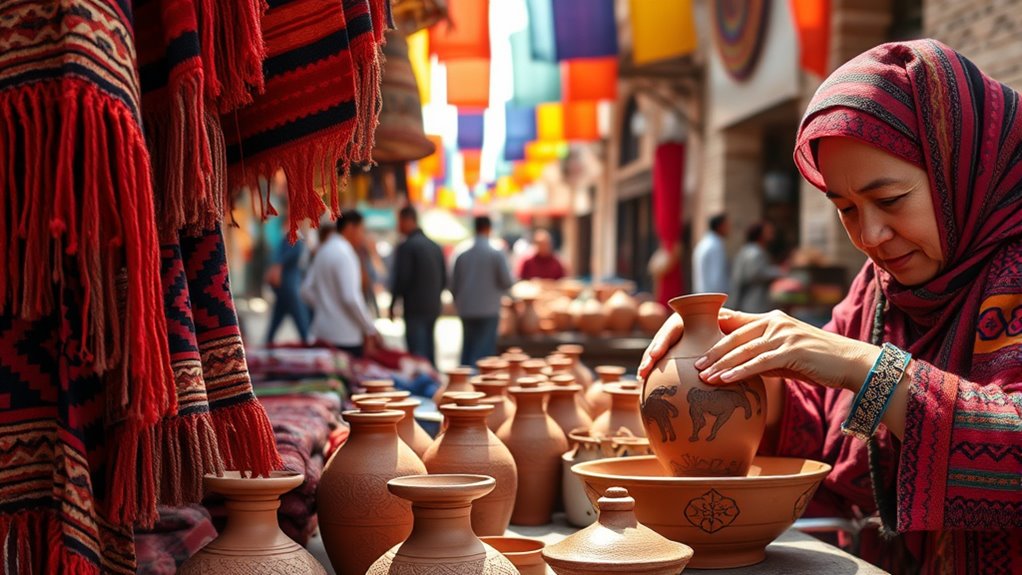

You can find inspiration from global cultures through traditional textiles that carry stories in patterns and craftsmanship, offering insights into their history and values. Culinary traditions introduce diverse flavors and techniques that encourage experimentation and innovation. Modern designs, like portable gear, show how cultural motifs blend with everyday needs. Artistic expressions and innovations rooted in local heritage also ignite creativity. Keep exploring these rich cultural sources, and you’ll uncover even more ways to draw meaningful inspiration for your projects.

Turn your wind-down time into listening time
- Thousands of audiobooks, podcasts and originals
- Listen on your phone, tablet or Echo — also offline
- Cancel anytime
Key Takeaways
- Traditional textiles embody cultural stories, patterns, and techniques that can inspire modern design and craftsmanship.
- Culinary fusion explores diverse flavors and techniques, fostering innovative ideas through cross-cultural experimentation.
- Incorporating traditional motifs into contemporary products bridges cultural heritage with modern functionality.
- Studying diverse artistic styles reveals unique aesthetics and craftsmanship, enriching creative expression.
- Embracing cultural diversity broadens perspectives, inspiring authentic, meaningful artistic and design innovations.

Throughout history, global cultures have served as rich sources of inspiration for artists, designers, and thinkers alike. You’re likely familiar with how traditional textiles can influence modern fashion, or how culinary fusion sparks creativity in the kitchen. These elements aren’t just artifacts of their origins; they’re living expressions of cultural identity that can inspire your own creative pursuits. Traditional textiles, for instance, carry stories woven into their fibers—patterns, colors, and techniques passed down through generations. When you explore these textiles, you gain insight into a community’s history, values, and environment. Incorporating such designs into your work can add depth and authenticity, connecting your creations to a broader cultural narrative. Whether it’s the intricate embroidery of Central Asian suzani or the bold geometric patterns of African kente cloth, these textiles serve as visual vocabularies that communicate unique stories. By studying their craftsmanship, you learn to appreciate the subtleties that make each culture’s aesthetic distinct, inspiring you to develop your own unique style rooted in tradition yet adapted for contemporary expression. Exploring portable camping gear and other modern innovations can also serve as sources of inspiration, demonstrating how traditional motifs can be integrated into functional, contemporary designs.
Similarly, culinary fusion exemplifies how blending cultural influences can ignite innovation. When you experiment with flavors from different parts of the world, you tap into a vast reservoir of culinary traditions. Think about combining the spices of India with the techniques of Mediterranean cooking or merging the vibrant flavors of Latin America with Asian ingredients. This fusion isn’t just about creating new dishes; it’s about embracing diversity and seeing it as a source of inspiration. It encourages you to think beyond borders and challenge conventional boundaries, fostering a mindset of openness and exploration. Culinary fusion often results in unexpected combinations that surprise and delight the senses, pushing you to rethink what’s possible in your creative processes. It’s a reminder that inspiration can come from anywhere, and that innovation often emerges at the crossroads of different cultures. By embracing traditional textiles and culinary fusion, you open yourself to a world of ideas, stories, and techniques that can elevate your work, making it richer, more meaningful, and truly global in scope.
As an affiliate, we earn on qualifying purchases.
Frequently Asked Questions
How Do Cultural Appropriation Concerns Influence Inspiration Sourcing?
Cultural appropriation concerns influence your inspiration sourcing by encouraging you to prioritize cultural sensitivity and respectful engagement. You become more mindful of how you use elements from other cultures, ensuring you’re honoring their significance without exploiting or misrepresenting them. This awareness prompts you to seek genuine collaborations, educate yourself about traditions, and give credit where it’s due, fostering a more thoughtful and respectful approach to drawing inspiration from global cultures.
Can Inspiration From Cultures Lead to Stereotypes or Misrepresentations?
Yes, inspiration from cultures can lead to stereotypes or misrepresentations if you’re not culturally sensitive. When you borrow elements without understanding their significance, you risk reinforcing stereotypes or misrepresenting the culture’s true meaning. To avoid this, you should research thoroughly, respect cultural contexts, and seek authentic voices. This approach minimizes stereotypes risk and guarantees your inspiration is respectful and genuine, fostering appreciation rather than appropriation.
What Ethical Considerations Exist When Adopting Cultural Elements?
When adopting cultural elements, you must prioritize cultural sensitivity and respect intellectual property. For example, if you incorporate traditional designs without permission, it can exploit or misrepresent the culture. Ethically, you should seek permission, credit origins, and understand the significance behind the elements. This approach helps avoid stereotypes, honors the culture, and promotes respectful appreciation, ensuring your actions are responsible and culturally aware.
How Do Artists Ensure Respectful Cultural Appreciation?
You guarantee respectful cultural appreciation by practicing cultural sensitivity and engaging in respectful collaboration with community members or cultural experts. Listen openly and learn about the significance of the elements you’re inspired by, avoiding stereotypes or misrepresentations. Always give credit where it’s due, and seek permission when necessary. This mindful approach helps you honor the culture, fostering genuine respect and meaningful connections rather than superficial appropriation.
Are There Legal Restrictions on Using Cultural Symbols?
Yes, there are legal restrictions on using cultural symbols. You need to take into account cultural trademarking and intellectual property rights to avoid legal issues. Many cultures register symbols or art as trademarks or copyrights, which means you can’t use them without permission. Always research and seek permission if necessary, respecting the cultural significance and legal protections surrounding these symbols, to ensure your work stays respectful and lawful.
As an affiliate, we earn on qualifying purchases.
Conclusion
By embracing diverse cultural traditions, you open endless inspiration that fuels creativity and innovation. Did you know that nearly 60% of global designers incorporate elements from different cultures into their work? This statistic highlights how interconnected our world is and how learning from others can spark fresh ideas. So, keep exploring, stay open-minded, and let the rich tapestry of global cultures inspire your next big project. Your unique perspective can truly make a difference.
portable camping gear with cultural designs
As an affiliate, we earn on qualifying purchases.
As an affiliate, we earn on qualifying purchases.
As an affiliate, we earn on qualifying purchases.
Evergreen bestsellers Picks
bestsellers
As an affiliate, we earn on qualifying purchases.