

Mindful communication in relationships means actively listening with your full attention, regulating your emotions, and observing non-verbal cues like body language and facial expressions. It helps you understand your partner better, build trust, and create a safe space for honest sharing. By staying present and responding with empathy, you foster patience and respect. If you want to discover more ways to strengthen your connection, keep exploring how these practices can transform your relationship.
Key Takeaways
- Practice active listening by fully engaging and reflecting to ensure mutual understanding.
- Manage emotions carefully to respond thoughtfully and prevent conflicts from escalating.
- Use non-verbal cues awareness to interpret unspoken feelings and strengthen connection.
- Create a safe space for honest expression by validating feelings and avoiding judgment.
- Foster patience and empathy to build trust and deepen relationship resilience through mindful communication.

Mindful communication isn’t just about choosing your words carefully; it’s about fully engaging with others in the present moment. When you practice active listening, you give your full attention to the person speaking, which demonstrates respect and genuine interest. This isn’t merely waiting for your turn to talk but truly absorbing what’s being said without interrupting or planning your response prematurely. Focus on their words, tone, and body language. By doing so, you create a safe space where your partner feels heard and valued. Active listening also involves reflecting back what you’ve heard, clarifying any ambiguities, and asking thoughtful questions. This process reduces misunderstandings and deepens your connection.
Another critical element of mindful communication is emotional regulation. When you’re aware of your emotions and manage them effectively, you’re less likely to react impulsively or defensively. Instead, you respond thoughtfully, which fosters healthier interactions. Emotional regulation allows you to stay calm during disagreements, preventing the escalation of conflicts. It requires recognizing your emotional triggers and practicing techniques like deep breathing or grounding exercises to maintain composure. By doing so, you approach conversations with clarity and patience, rather than reacting from a place of frustration or hurt. This mindful approach helps you stay present, even when discussions become difficult, and encourages your partner to do the same.
Coupling active listening with vetted practices for emotional regulation creates a powerful foundation for mindful communication. When you listen actively, you validate your partner’s feelings, making them feel understood. When you regulate your emotions, you respond with empathy rather than defensiveness. This synergy enhances trust and openness in your relationship. You learn to pause before reacting, giving yourself the space to choose words that are respectful and considerate. It’s about fostering an environment where both of you feel safe to express yourselves honestly without fear of judgment or retaliation.
Practicing mindful communication also involves being aware of non-verbal cues. Your body language, facial expressions, and tone all communicate as much as your words do. By staying present and attentive, you can pick up on unspoken feelings or concerns, addressing them with compassion. Over time, these habits strengthen your connection, making your interactions more genuine and supportive. Ultimately, mindful communication isn’t just a skill; it’s a way to nurture understanding, patience, and love in your relationship. When you commit to these practices, you pave the way for a deeper, more resilient bond built on mutual respect and awareness.

Active Listening Techniques: 30 Practical Tools to Hone Your Communication Skills
As an affiliate, we earn on qualifying purchases.
As an affiliate, we earn on qualifying purchases.
Frequently Asked Questions
How Can Mindful Communication Improve Long-Term Relationships?
Mindful communication strengthens long-term relationships by boosting emotional awareness and encouraging empathetic responses. When you stay present and listen actively, you better understand your partner’s feelings and needs. This fosters trust, reduces misunderstandings, and creates a safe space for honest dialogue. By practicing mindfulness, you show genuine care, which deepens your connection and helps navigate conflicts more smoothly, ultimately building a stronger, more resilient bond over time.
What Are Common Obstacles to Practicing Mindful Communication?
Did you know nearly 65% of communication is non-verbal? One obstacle to practicing mindful communication is emotional awareness; sometimes, you might not recognize your feelings or misinterpret your partner’s cues. Non-verbal cues can easily be missed if you’re distracted or rushing. To overcome these barriers, slow down, stay present, and pay close attention to body language and emotional signals. This helps you connect authentically and communicate more effectively.
How Does Mindful Listening Differ From Active Listening?
Mindful listening differs from active listening by emphasizing emotional awareness and paying close attention to nonverbal cues. When you practice mindful listening, you focus on truly understanding your partner’s feelings and intentions without judgment. You notice their body language, tone, and facial expressions, which helps deepen connection. Unlike active listening, mindful listening encourages staying present and aware of your own reactions, fostering genuine understanding and empathy.
Can Mindful Communication Help Resolve Conflicts More Effectively?
Think of mindful communication as a gentle lighthouse guiding your way through stormy conflicts. By cultivating emotional awareness and tuning into nonverbal cues, you shine a steady beam that reveals true feelings beneath words. This clarity helps you respond with compassion instead of reacting impulsively. With each mindful exchange, you build bridges of understanding, transforming disputes into opportunities for growth and connection.
What Are Practical Exercises to Develop Mindful Communication Skills?
To develop mindful communication skills, practice observing your body language and stay aware of your emotional responses. Try a daily exercise where you pause before speaking, noticing how you feel and how your body reacts. During conversations, focus on maintaining open posture and eye contact, and listen actively. Reflect afterward on your emotional awareness to identify triggers and improve your ability to respond mindfully in future interactions.
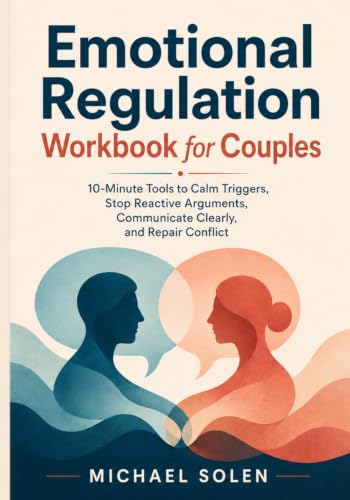
Emotional Regulation Workbook for Couples : 10-Minute Tools to Calm Triggers, Stop Reactive Arguments, Communicate Clearly, and Repair Conflict
As an affiliate, we earn on qualifying purchases.
As an affiliate, we earn on qualifying purchases.
Conclusion
By practicing mindful communication, you foster understanding, build trust, and strengthen your relationships. You listen actively, speak honestly, and respond thoughtfully. You stay present, avoid assumptions, and embrace empathy. Through these habits, you create connection, cultivate patience, and nurture growth. Remember, mindful communication isn’t a one-time effort but a continual process. Commit to it daily, and watch your relationships flourish with clarity, compassion, and genuine connection.

Listening with the Heart: A Guide for Understanding Non-verbal Communication in the Autistic Child, for Parents, Teachers, and Professionals
As an affiliate, we earn on qualifying purchases.
As an affiliate, we earn on qualifying purchases.

Interpersonal Communication: A Mindful Approach to Relationships
As an affiliate, we earn on qualifying purchases.
As an affiliate, we earn on qualifying purchases.