

When your mind keeps racing, try anchoring yourself with mindfulness techniques like focusing on your breath or sensory awareness. Take slow, deep breaths using the 4-7-8 method to calm your nervous system and shift attention away from worries. Notice the textures, sounds, and scents around you to stay grounded in the present moment. With consistent practice, you’ll get better at catching wandering thoughts and staying centered—there’s more to discover if you keep exploring.
Key Takeaways
- Cultivate awareness by noticing when your mind drifts and gently redirect your attention to the present moment.
- Use sensory observation to anchor yourself, focusing on sights, sounds, textures, and smells around you.
- Practice slow, deep breathing techniques like the 4-7-8 method to calm racing thoughts and center your focus.
- Engage in regular mindfulness exercises, such as body scans, to strengthen your ability to stay present.
- Be patient and consistent, gently guiding your focus back whenever your mind wanders, without judgment.
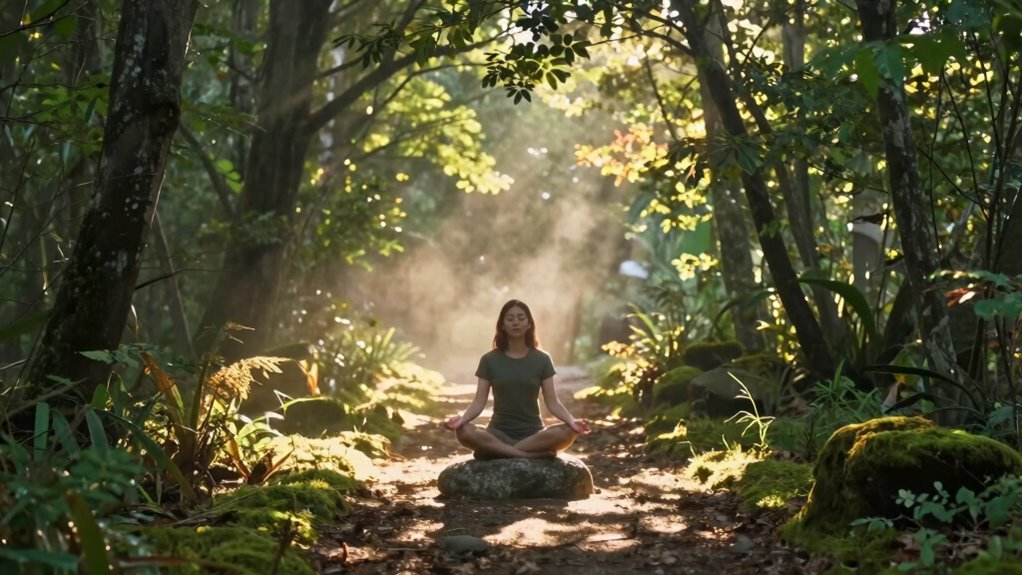
Have you ever noticed how easily your mind drifts away from the here and now? One moment, you’re fully engaged in your task, and the next, your thoughts are scattered across a thousand different worries or fantasies. It’s a common experience, especially in today’s fast-paced world, but the good news is you can train yourself to stay more present. The key lies in practicing mindfulness exercises and mastering breathing techniques. These tools help anchor your attention and quiet the mental chatter that pulls you away from the moment.
Start with mindfulness exercises. These are simple practices that bring your awareness to what’s happening right now. For example, try observing your surroundings with curiosity—notice the colors, textures, sounds, and smells without judgment. When your mind starts to wander, gently bring your focus back to the present. You might also try body scans, where you systematically pay attention to different parts of your body, feeling sensations without trying to change them. These exercises aren’t about achieving a blank mind but rather cultivating a gentle, non-judgmental awareness that keeps you rooted in the present. Incorporating calibration techniques can further enhance your ability to accurately perceive and respond to sensory information in real-time. Developing sensory awareness can deepen your connection to the present moment and improve your overall mindfulness practices, allowing you to notice subtle cues that might otherwise go unnoticed. Practicing mindfulness regularly can help your brain become more adept at maintaining focus and resisting distractions.
Practice mindfulness by observing your surroundings with curiosity and gently returning your focus when your mind wanders.
Breathing techniques are another powerful way to center yourself. When your thoughts race, your breath often becomes shallow or irregular. By intentionally slowing down and deepening your breath, you create a calming effect that helps anchor your mind. One effective method is the 4-7-8 breath: inhale through your nose for four seconds, hold your breath for seven seconds, then exhale slowly through your mouth for eight seconds. Repeat this cycle a few times, and you’ll notice your mind settling. Focusing on your breath shifts your attention away from worries or distractions, giving you a moment of clarity and calm. Incorporating mindfulness practices into your routine can further enhance your ability to stay present and reduce mental clutter, especially when combined with other techniques like body awareness exercises.
Consistently integrating these practices into your daily routine makes a noticeable difference over time. You’ll find it easier to recognize when your mind starts to wander and to gently redirect it. Remember, staying present isn’t about forcing yourself to be constantly alert but cultivating a gentle awareness that allows you to return to the moment whenever your attention drifts. With patience and persistence, mindfulness exercises and breathing techniques become valuable tools that empower you to live more fully in the present, even when your thoughts try to race ahead.
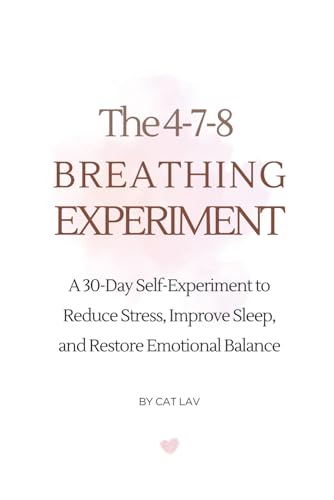
The 4-7-8 BREATHING EXPERIMENT: A 30-Day Self-Experiment to Reduce Stress, Improve Sleep, and Restore Emotional Balance
As an affiliate, we earn on qualifying purchases.
As an affiliate, we earn on qualifying purchases.
Frequently Asked Questions
Can Medication Help With Racing Thoughts During Mindfulness Practice?
Medication benefits can include reducing racing thoughts, making it easier for you to stay present during mindfulness practice. It can enhance your mindfulness by calming your mind and decreasing anxiety or hyperactivity. However, medication isn’t a standalone solution; pairing it with mindfulness techniques often yields better results. Always consult your healthcare provider to determine if medication is appropriate and to find the right balance for your mental health and mindfulness goals.
How Long Does It Typically Take to See Progress in Staying Present?
Rome wasn’t built in a day, and progress with mindfulness techniques varies. Typically, you’ll notice improvements in mental clarity and staying present within a few weeks of consistent practice. Regular meditation, deep breathing, and grounding exercises help retrain your mind. Keep in mind that patience is key; the more you practice, the more natural staying present becomes, gradually reducing racing thoughts and increasing your ability to focus.
Is It Normal to Feel More Anxious When Trying to Stay Present?
Yes, it’s normal to feel more anxious when trying to stay present. Mindfulness challenges can temporarily heighten anxiety triggers, especially at first, as your mind resists change. You might notice increased racing thoughts or discomfort, but that’s part of the process. With patience and practice, these feelings often decrease over time. Keep focusing on your breath and gently bring your attention back to the present moment whenever your mind wanders.
Can Physical Exercise Reduce Racing Thoughts Effectively?
Yes, physical exercise can effectively reduce racing thoughts. When you exercise, your body releases endorphins, which boost your mood and calm your mind. Combine this with breathing techniques and mindfulness exercises afterward to deepen relaxation. These practices help you stay present, slow your racing thoughts, and increase awareness of the moment. Regular exercise paired with mindful breathing creates a powerful method to quiet your mind and improve mental clarity.
How Do I Stay Present During Stressful Situations?
Think of staying present during stress like anchoring a boat in choppy waters. You can do this by practicing mindfulness techniques, focusing on your breath or sensations in your body. When stress hits, pause and take deep, slow breaths to calm your mind. Use stress management strategies like grounding exercises or visualizations to keep yourself centered. These tools help you stay anchored and present, even amid chaos.

Syrinx Guided Meditation Light – Meditation Aid with Rhythmic Glow for Focus, Mindfulness Tool for Calm Down Corner, Quiet Rooms, Home or Office Use
WHAT IS IT — The Syrinx Meditation Breath Light is a rechargeable guided breathing tool that helps you…
As an affiliate, we earn on qualifying purchases.
As an affiliate, we earn on qualifying purchases.
Conclusion
Staying present when your mind keeps racing can feel like chasing shadows, but remember, practice makes perfect. Keep grounding yourself with breath awareness, and don’t let your thoughts run wild. Over time, you’ll find it easier to stay rooted in the moment, even amidst chaos. It’s about learning to slow down and take control—because sometimes, you have to seize the day before it slips through your fingers. Stay committed, and you’ll find peace amid the storm.

Body Scan Exercise for Mindfulness
As an affiliate, we earn on qualifying purchases.
As an affiliate, we earn on qualifying purchases.

Gya Labs Deep Calm Essential Oil Blend for Relaxation & Emotional Balance – 0.34 fl oz – Calm Aromatherapy Oils for Diffusers, Humidifiers, Aromatherapy – Suitable for Work, Home or Personal Use
A Moment of Tranquility Awaits. Transform your space with the Deep Calm Essential Oil Blend for diffuser oils….
As an affiliate, we earn on qualifying purchases.
As an affiliate, we earn on qualifying purchases.