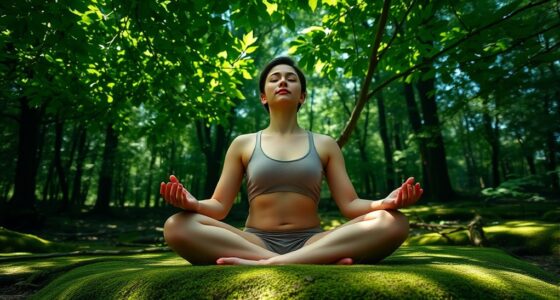

Guided visualization for self-healing helps you tap into your body’s natural ability to recover by creating calming mental images that promote relaxation and healing. You focus on vivid scenes like flowing light or soothing waves, engaging all your senses to deepen the experience. This practice activates your parasympathetic nervous system, reducing stress and boosting immunity. Keep exploring how consistent use of these techniques can strengthen your self-healing potential and support your overall well-being.
Key Takeaways
- Use calming mental images, like healing light or gentle waves, to promote relaxation and stimulate the body’s natural healing response.
- Incorporate sensory details and mindfulness to deepen focus and enhance the effectiveness of the visualization session.
- Practice regularly in a quiet, comfortable space, breathing deeply to activate the parasympathetic nervous system.
- Visualize targeted areas needing repair, imagining energy flowing to promote healing and relief.
- Combine visualization with positive affirmations to reinforce self-healing intentions and foster emotional well-being.
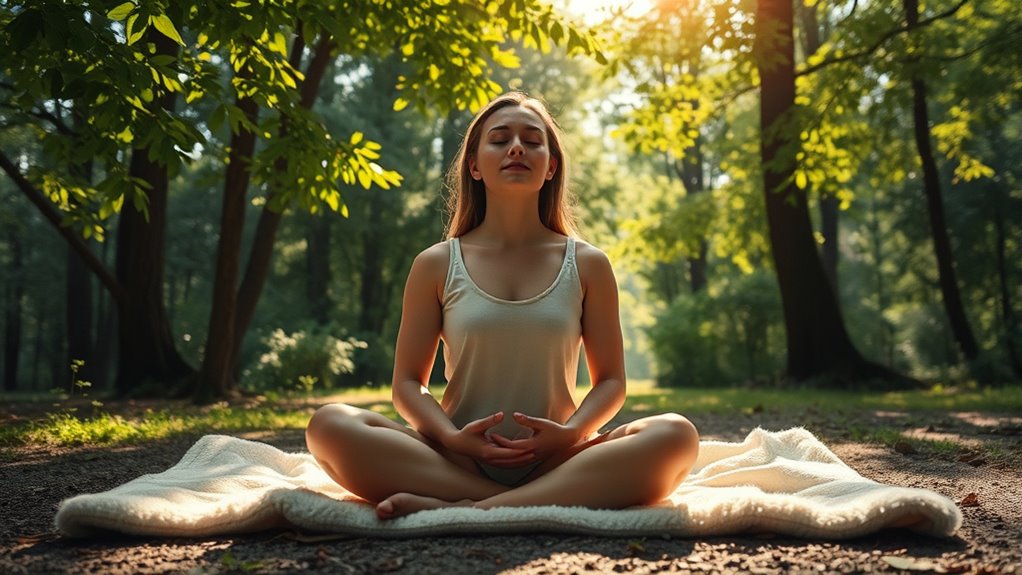
Guided visualization is a powerful technique that helps you tap into your body’s natural ability to heal. When you practice visualization, you’re intentionally directing your mind to create mental images that promote relaxation, focus, and positive change. This process is closely linked to mindfulness benefits, as it encourages you to stay present and fully engaged in your experience. By cultivating awareness of your thoughts and sensations during visualization, you can deepen your connection to your body’s needs and foster a sense of calm and control.
Using visualization techniques, you might imagine a healing light or energy flowing through your body, targeting areas that need repair or relief. These mental images can activate your parasympathetic nervous system, reducing stress and lowering cortisol levels. As a result, your immune system may strengthen, and your body’s natural healing processes become more efficient. The key is to create vivid, detailed images that resonate with your intentions, whether that’s easing pain, improving mobility, or enhancing emotional well-being. The more immersive your visualization, the more effective it tends to be.
Incorporating mindfulness into your practice amplifies these benefits. When you’re mindful, you’re observing your thoughts and sensations without judgment, which helps prevent your mind from wandering or becoming distracted. This focused awareness allows you to experience the full impact of your visualization, grounding you in the present moment. As you notice sensations of warmth, tingling, or relaxation, you’re reinforcing positive neural pathways associated with healing. Over time, this mindful approach can help you develop a resilient, optimistic mindset that supports ongoing self-care and health.
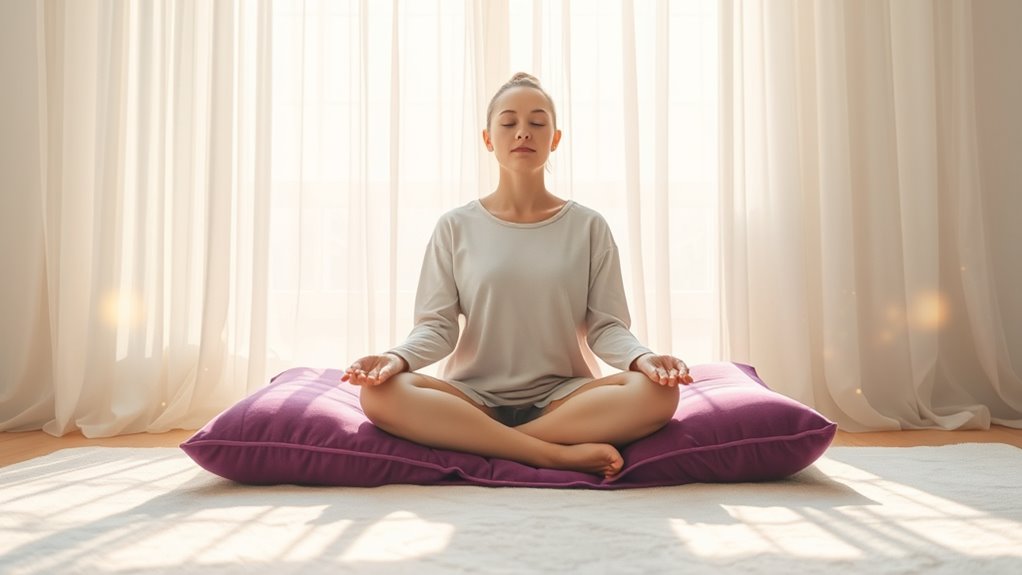
To get started with visualization techniques, find a quiet space where you won’t be disturbed. Close your eyes and take slow, deep breaths to relax your body. Begin to imagine a healing scene—perhaps a gentle light enveloping your body or a calming wave washing over you. Focus on the details: the colors, textures, and sensations involved. Feel the warmth or coolness, the weightlessness or comfort. As you do this regularly, you’ll strengthen your ability to harness your mind’s power for self-healing. Electric power can be harnessed through visualization, as mental focus and energy flow can influence physical well-being. The more consistent you are with your practice, the more natural this process becomes, integrating seamlessly into your overall wellness routine.

Creative Visualization Meditations (New World Library Audio)
As an affiliate, we earn on qualifying purchases.
As an affiliate, we earn on qualifying purchases.
Frequently Asked Questions
Can Guided Visualization Replace Medical Treatment?
Guided visualization can’t replace medical treatment, but it can complement it. While it may boost your mental health and harness the placebo effect, relying solely on visualization might delay necessary medical care. You should always follow your healthcare provider’s advice. Visualization can help reduce stress and promote well-being, yet it’s not a substitute for proven medical interventions, especially for serious conditions.
How Often Should I Practice Guided Visualization?
You should practice guided visualization daily or at least several times a week for best results. Maintain consistency in your frequency to build a strong habit and deepen your experience. Sessions typically last 10 to 20 minutes, allowing enough time to relax and focus without feeling overwhelmed. Adjust session length based on your schedule, but regular practice helps reinforce positive effects and enhances your self-healing journey.
Is Guided Visualization Suitable for Children or Seniors?
Think of guided visualization as a gentle garden where both children and seniors can bloom. It’s highly suitable, as you can tailor it to fit their needs. Children benefit from vivid, playful imagery, helping develop focus and emotional resilience. Seniors may prefer slower, calming scenes, aiding relaxation and memory. With thoughtful adaptations, guided visualization can be a nurturing tool for all ages, fostering healing and inner peace.
What Are Common Challenges Beginners Face?
As a beginner, you might struggle to stay focused or get distracted during guided visualization. It’s common to find it hard to relax or to experience emotional regulation issues, especially if your mind races. To overcome these challenges, practice mindfulness techniques regularly, be patient with yourself, and gently bring your attention back when it wanders. With time, you’ll find it easier to enter a calm, self-healing state.
Can Guided Visualization Help With Chronic Pain?
Yes, guided visualization can help with chronic pain by strengthening your mind-body connection. It allows you to focus on calming imagery, which can reduce pain perception and promote relaxation. By practicing pain management techniques like visualization, you may lessen your pain’s intensity and improve your overall well-being. Regularly engaging in this practice helps your brain reframe pain signals, making it a valuable tool for managing chronic discomfort effectively.

Let's Get Real Guided Journal for Self Reflection & Personal Growth, Undated Self Care Journal with 240 Writing Prompts, Includes Gratitude & Mindfulness Sections, Wellness Journal for Women & Men
GUIDED JOURNAL WITH 240 WRITING PROMPTS: This guided journal features 240 thoughtful prompts designed to encourage self-reflection, mindfulness,…
As an affiliate, we earn on qualifying purchases.
As an affiliate, we earn on qualifying purchases.
Conclusion
As you embrace guided visualization, remember that studies show 75% of participants report reduced stress and improved well-being. By actively engaging your imagination, you tap into your body’s natural healing abilities. Keep practicing regularly, and you’ll likely notice increased relaxation and resilience. Visualization isn’t just a mental exercise—it’s a powerful tool for self-healing. So, continue exploring this technique, and watch how your mind and body work together to foster health and harmony.

Zafu Meditation Cushion Floor Pillow – Supportive Crescent Cushion for Meditation, Yoga, Pilates, and Relaxation – Filled with Buckwheat Hulls – Removable Cotton Cover – Great Gift Idea, Beige
✅ 🧘♂️ 🌙 🔒 ERGONOMIC CRESCENT SUPPORT – Curved shape elevates hips, opens knees, and encourages neutral spine…
As an affiliate, we earn on qualifying purchases.
As an affiliate, we earn on qualifying purchases.

Stress Relief Through Guided Imagery
As an affiliate, we earn on qualifying purchases.
As an affiliate, we earn on qualifying purchases.