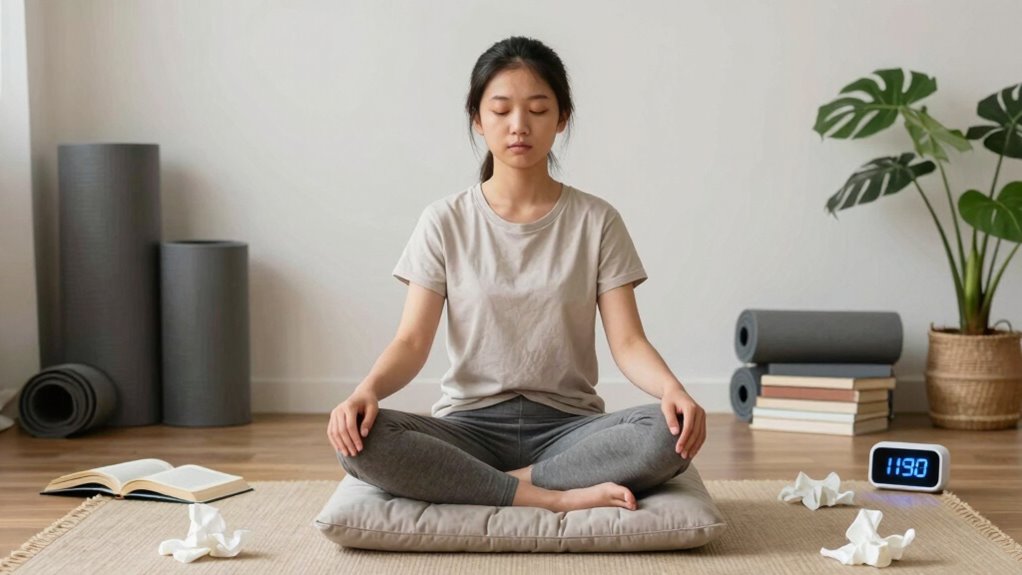

As a beginner, you might think meditation should instantly clear your mind or bring immediate peace, but that’s not realistic. Progress takes time, patience, and consistent effort. It’s normal for thoughts to drift or for sessions to feel difficult. Instead of aiming for perfection, focus on noticing thoughts without judgment and practicing regularly. Stick with it, and you’ll gradually see growth—if you keep going, you’ll discover even more about what to expect along the way.

Turn your wind-down time into listening time
- Thousands of audiobooks, podcasts and originals
- Listen on your phone, tablet or Echo — also offline
- Cancel anytime
Key Takeaways
- Expecting immediate or perfect results can lead to frustration; progress is gradual and varies for everyone.
- Believing that meditation should always feel peaceful or effortless misses the normal experience of distraction and wandering thoughts.
- Assuming that a lack of stillness or focus indicates failure; normal mental activity is part of the learning process.
- Overestimating the importance of long sessions; short, consistent practice is more effective for beginners.
- Ignoring setbacks as part of progress can discourage; persistence through challenges is essential for growth.
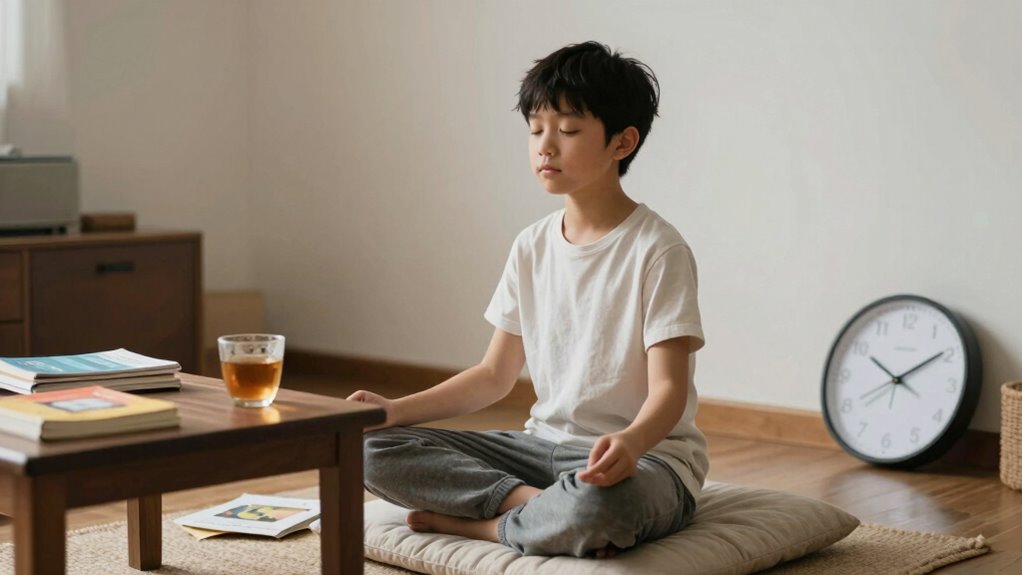
Starting meditation can feel intimidating, especially if you’re new to it. You might expect immediate calm or a clear mind, but often, beginners stumble because of common mindfulness misconceptions. It’s easy to think that meditation should erase all thoughts or that you need to achieve a perfect state of focus every time. These ideas set unrealistic expectations and can lead to disappointment. It’s helpful to remember that Free Floating is a common experience in meditation, where thoughts drift without attachment. Instead, understand that meditation is a gradual process. Your mind will wander, and that’s completely normal. The goal isn’t to eliminate thoughts but to notice them without judgment and gently bring your attention back. Recognizing this helps reduce focus frustrations and makes your practice more sustainable.
Starting meditation can feel daunting; progress comes with patience, noticing thoughts without judgment, and embracing imperfections along the way.
Many beginners also believe they need to meditate for long periods to see benefits. However, even a few minutes a day can be effective. Consistency matters more than duration. If you’re rushing to meditate for 30 minutes but only do it sporadically, you might not experience the progress you hope for. Short, daily sessions can build a habit and foster mindfulness over time. This approach prevents burnout and keeps the practice accessible, especially when life gets busy.
Another mistake is overthinking what meditation should feel like. You might think you’re doing it wrong if your mind isn’t perfectly still or if you don’t feel a sudden sense of peace. The truth is, meditation is more about awareness than achieving a specific state. It’s normal to experience focus frustrations, especially when your mind keeps drifting. Instead of getting frustrated, treat these moments as opportunities to practice patience and gentle self-compassion. Over time, you’ll notice your ability to stay present improves, and your mind becomes less reactive. Additionally, understanding that contrast ratio plays a role in visual clarity can help you appreciate how subtle differences in focus and environment impact your experience. Recognizing that mindfulness is a skill that develops through repeated practice can also motivate you to persist despite initial challenges.
People often underestimate how challenging meditation can be at first. It’s a skill that requires practice and persistence. Don’t get discouraged by initial difficulties or the misconception that you’re not “good enough” at it. Progress isn’t linear, and every session, no matter how distracted or restless, is part of your growth. Recognize that setbacks are normal and part of the learning curve. Celebrate small wins, like catching yourself when your mind wanders, and remind yourself that meditation is about showing up consistently, not about perfection.
In the end, your meditation journey is unique. Let go of the idea that you need to reach some lofty goal right away. Instead, focus on the process, embrace the imperfections, and give yourself grace. As you continue, you’ll find that meditation becomes a valuable tool for navigating life’s ups and downs, and your understanding of mindfulness will deepen with each practice.
meditation cushion for beginners
As an affiliate, we earn on qualifying purchases.
As an affiliate, we earn on qualifying purchases.
Frequently Asked Questions
How Long Should a Beginner Meditate Each Day?
As a beginner, you should aim for about 5 to 10 minutes of meditation daily, gradually increasing your meditation duration as you become more comfortable. Keep your beginner expectations realistic; consistency matters more than long sessions initially. Focus on forming a habit rather than achieving perfect meditation right away. Over time, you can extend your sessions, but starting with manageable durations helps you stay committed and prevents frustration.
Is It Normal to Feel Restless During Meditation?
Feeling restless during meditation is completely normal, especially for beginners. You might notice signs of frustration, but don’t let that discourage you. Restlessness often indicates your mind is adjusting to stillness. Instead of fighting it, acknowledge these feelings, gently bring your focus back, and practice patience. Over time, you’ll find it easier to settle into a calm, focused state, and these sensations will diminish as your meditation deepens.
Can Meditation Be Harmful for Beginners?
Think of meditation as a gentle river; it’s usually safe but may have tricky currents for beginners. Meditation misconceptions can lead you to believe it’s harmful, but most challenges are normal beginner hurdles. If you feel overwhelmed, slow down or pause. Meditation isn’t harmful when approached mindfully, and understanding these early difficulties helps you build resilience and confidence on your calming journey.
Do I Need Special Equipment or Space to Meditate?
You don’t need special equipment or a dedicated space to meditate. While meditation accessories like cushions or mats can enhance comfort, they’re optional. Find a quiet, comfortable spot where you won’t be disturbed, even if it’s just a corner of a room. The key is consistency, so choose a place you can return to daily. Keep it simple, and focus on your practice rather than perfect surroundings.
How Quickly Will I Notice Improvements From Meditation?
You might notice some benefits from meditation within a few days, like feeling calmer or more focused, but real progress takes consistent practice over weeks or months. Many meditation myths lead beginners to expect quick results, which isn’t realistic. Progress misconceptions can make you feel discouraged, but remember, meditation is a gradual journey. Stick with it, and you’ll gradually experience increased clarity, reduced stress, and greater emotional resilience.
guided meditation app for beginners
As an affiliate, we earn on qualifying purchases.
As an affiliate, we earn on qualifying purchases.
Conclusion
Remember, meditation isn’t a race or a puzzle to solve quickly. Like planting a seed, your progress grows steadily over time, not overnight. Don’t get discouraged if your mind wanders or results seem slow. Keep showing up with patience and curiosity, and you’ll find that even small moments of stillness can blossom into a peaceful, resilient mind. Trust the process, and you’ll see that meditation’s true gift is in the gentle journey itself.
As an affiliate, we earn on qualifying purchases.
meditation journal for tracking progress
As an affiliate, we earn on qualifying purchases.
As an affiliate, we earn on qualifying purchases.
Fall Picks
fall essentials
As an affiliate, we earn on qualifying purchases.