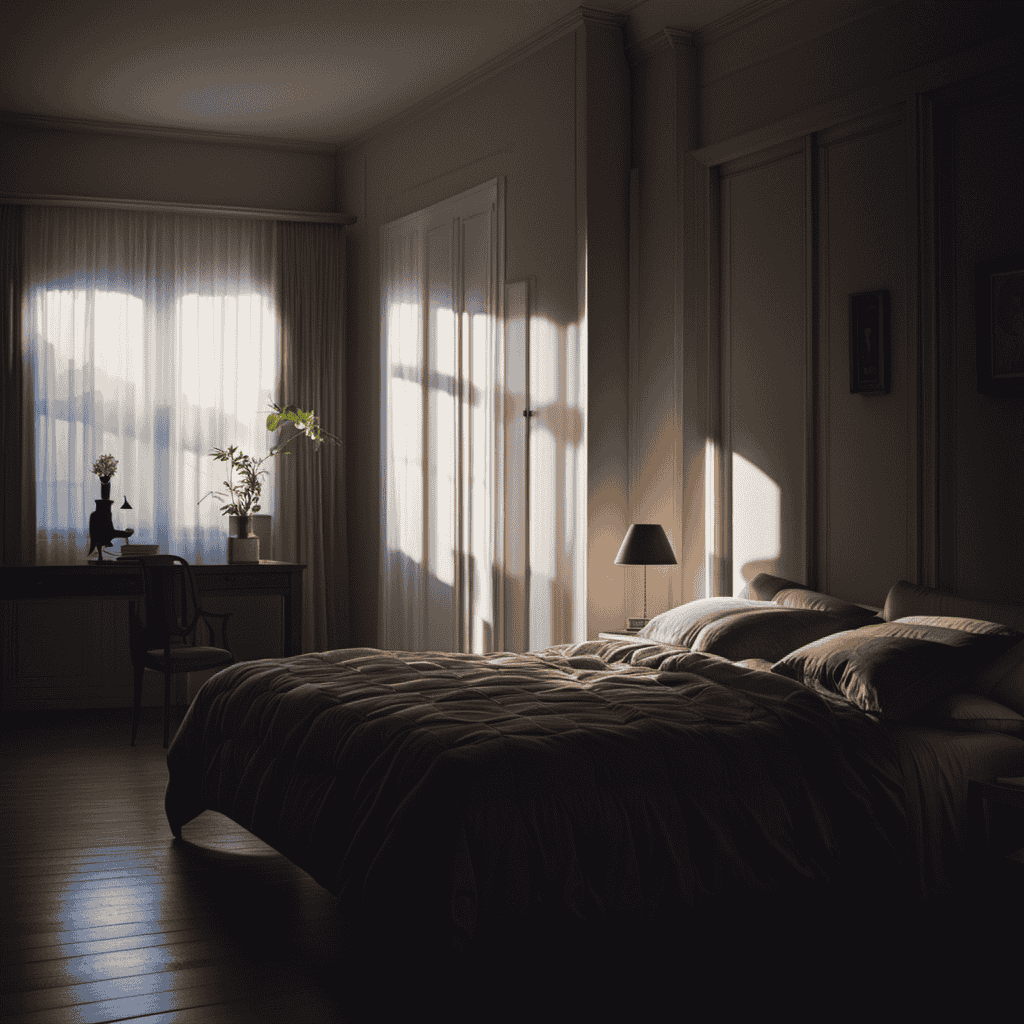
Using screens before bed can profoundly influence your dream content. The blue light from devices suppresses melatonin, making it harder to fall asleep and causing lighter, less restful sleep. This disrupted sleep often leads to more vivid, surreal, or fragmentary dreams. Additionally, the content you consume—whether violent, emotional, or calming—shapes your dreams’ themes and intensity. Continuing to explore this connection can reveal how your screen habits impact your subconscious and dream experiences.
Key Takeaways
- Excess screen time before bed disrupts sleep, leading to more vivid, fragmented, or surreal dreams.
- Blue light from screens suppresses melatonin, making sleep lighter and increasing the likelihood of unusual dreams.
- Content consumed on screens, such as violent or emotional media, influences dream themes and intensity.
- Using screens right before sleep can cause more surreal or disturbing dreams due to disrupted sleep cycles.
- Reducing screen exposure and choosing calming content can promote more peaceful, meaningful dreams.

Technology has increasingly blurred the line between imagination and reality, transforming dreams into tangible experiences. As screens become more integrated into your daily routine, they influence not only what you do during the day but also how you sleep and dream at night. The amount of screen time you get before bed directly impacts your sleep quality, which in turn affects your dreams. When you spend hours scrolling through social media, binge-watching shows, or playing games late into the night, your brain stays engaged with vivid images and fast-paced stimuli. This constant stimulation can make it harder to unwind, leading to poorer sleep quality. Poor sleep doesn’t just leave you tired; it also alters your dream patterns, making them more fragmented or bizarre.
Excess screen time before bed can disrupt sleep and make dreams more fragmented or bizarre.
The blue light emitted from screens is particularly problematic because it suppresses melatonin, the hormone responsible for regulating your sleep-wake cycle. When melatonin production is hindered, falling asleep becomes more difficult, and your sleep becomes lighter and less restorative. This disruption in your sleep cycle often results in more intense or unusual dreams, as your brain tries to process the excess stimuli it encountered before sleep. You might notice your dreams becoming more vivid or surreal after long screen sessions, especially if you use devices right up to bedtime. Over time, this can create a cycle where poor sleep quality leads to more fragmented dreams, making you feel unrested even after hours of sleep.
Moreover, the content you consume during screen time influences your subconscious mind and, consequently, your dreams. Watching violent movies, intense video games, or emotionally charged content can embed themes and images into your dreams, often making them more vivid or disturbing. Conversely, calming and positive content might promote more peaceful dreams. Being mindful of your screen time, especially before sleep, can help you improve the quality of your rest and the nature of your dreams. Establishing a bedtime routine that minimizes exposure to screens allows your brain to wind down naturally, fostering more restful sleep and possibly more pleasant dreams. Additionally, content consumed during screen time can shape your subconscious and influence your dream narratives.
Ultimately, understanding the connection between your screen habits and your sleep quality helps you take control of your dream experiences. Reducing screen time before bed, using blue light filters, or engaging in relaxing activities can improve sleep, leading to clearer, more meaningful dreams. Recognizing how technology influences your subconscious not only helps you sleep better but also enhances your overall mental well-being. So, the next time you reach for your device late at night, remember that it’s not just your sleep that’s at stake—it’s the vivid world of your dreams as well.
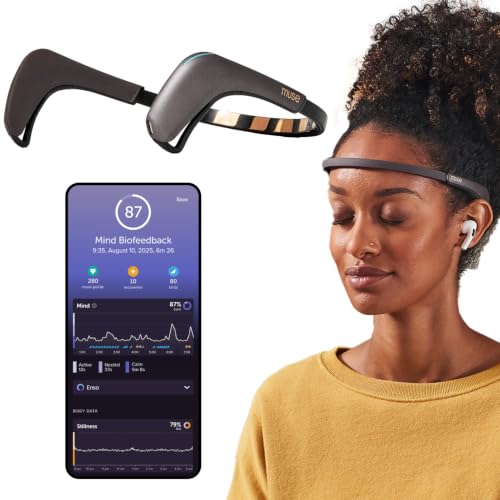
MUSE 2: The Brain Sensing Headband USB-C- EEG MUSE Headband Meditation Tracker - Multi Sensor Biofeedback Devices for Home Use with Responsive Sound Feedback Guidance - Neurofeedback Devices
Works great on its own — access core EEG-powered feedback and session tracking right out of the box;...
As an affiliate, we earn on qualifying purchases.
Frequently Asked Questions
Can Dreaming Help Improve Problem-Solving Skills?
Dreaming can indeed boost your problem-solving skills. When you practice lucid dreaming, you gain awareness and control during dreams, helping you explore solutions creatively. Maintaining good sleep hygiene guarantees quality sleep, which enhances your ability to remember and analyze dreams. By paying attention to your dreams and practicing lucid dreaming, you can access insights and improve your problem-solving abilities in waking life.
Do Different Screen Types Affect Dream Vividness?
Imagine you use a bright, high-definition screen before bed; this can increase your screen vividness, making your dreams more intense. Different screen types, like LCD or OLED, emit varying light levels that influence dream vividness and intensity. For example, a study suggests that exposure to vivid screens may lead to more detailed, lively dreams. So, your choice of device can directly impact how vivid and intense your dreams become.
Is There a Link Between Screen Time and Nightmare Frequency?
You might notice that increased screen time correlates with more frequent nightmares. Excessive screen addiction can lead to sleep disruption, making your sleep less restful and more prone to vivid, unsettling dreams. The blue light from screens interferes with melatonin production, disrupting your sleep cycle. By reducing screen time before bed, you could improve sleep quality and decrease nightmare occurrences, helping you wake up feeling more refreshed.
How Do Screens Impact REM Sleep Phases?
Screen exposure can markedly impact your REM sleep phases by causing sleep disruption. When you spend time on screens before bed, the blue light suppresses melatonin production, delaying sleep onset and reducing REM duration. This disturbance can lead to fragmented sleep, making it harder to reach and maintain deep REM stages. To protect your sleep quality, limit screen use at least an hour before bedtime, allowing your body to naturally prepare for restful REM sleep.
Can Adjusting Screen Brightness Influence Dream Recall?
Adjusting screen brightness can influence your dream recall by affecting your sleep quality. Lower brightness reduces blue light exposure, helping you fall asleep more easily and improving REM sleep, which is essential for vivid dreams. When your sleep is better, you’re more likely to remember your dreams upon waking. So, keeping your screen brightness dim before bed can enhance your ability to recall dreams and promote restful, uninterrupted sleep.

SereniBrain EEG Neurofeedback Headband for Meditation & Brainwave Monitoring, Real-Time Brain Activity Tracker with App, Train Focus, Relaxation & Sleep Preparation
Real-Time EEG Neurofeedback Headband for Brainwave Monitoring: Monitor your brain activity in real time using advanced EEG sensors....
As an affiliate, we earn on qualifying purchases.
Conclusion
As you consider how screens shape your dreams, it’s clear that technology does influence your subconscious. While some studies suggest that exposure to digital content can alter dream themes, others find minimal effects. The truth likely lies somewhere in between—your nightly visions are a complex mix of daily experiences and subconscious processing. So, next time you wake up remembering vivid dreams, think about how your screen time might have played a role in shaping those mysterious scenes.

Moonbird Breathing Tool for Relaxation & Sleep Support – Guided Breathwork for Calm, Meditation & Stress Support – Portable & Rechargeable – Blue Green
Science-based breathing coach – Moonbird gently expands and contracts in your hand, guiding you to slow down your...
As an affiliate, we earn on qualifying purchases.

Reflect Orb: Smart Tracker for Stress Relief & Mental Health. Biofeedback Device to Enhance Focus, Reduce Anxiety, Support ADHD, Master Meditation & Mindfullness, Emotional Regulation Self-Care Gift
SEE YOUR STRESS, THEN CALM IT: Hold the Orb and its light shows your body's stress level in...
As an affiliate, we earn on qualifying purchases.