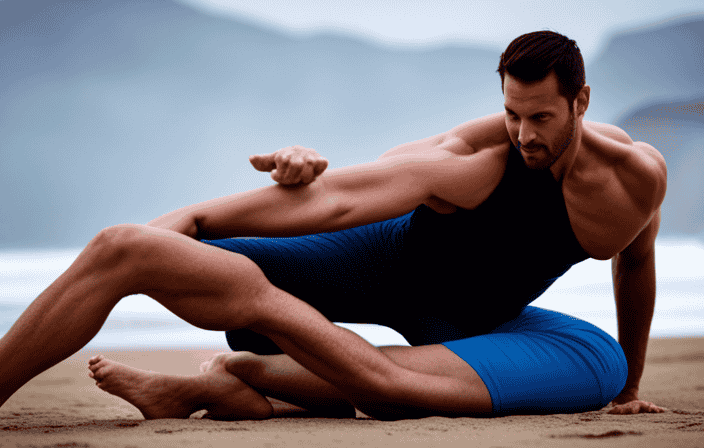
Practicing yoga regularly can considerably enhance your balance and coordination by strengthening your core muscles, which provide a sturdy foundation for stability. Focus on poses like Tree Pose, Warrior III, and Half Moon that challenge your focus and promote body control. Mindful breathing techniques help calm your nervous system, making it easier to maintain steady moves. As you continue exploring these practices, you’ll develop better awareness and stability to support your daily activities.
Key Takeaways
- Yoga improves balance by strengthening core muscles and enhancing body awareness through poses like Tree and Warrior III.
- Regular practice boosts coordination by integrating mindful breathing and stabilizing poses that challenge stability.
- Core-focused poses such as Planks and Bird Dog develop foundational strength crucial for maintaining equilibrium.
- Breathing techniques like diaphragmatic breathing calm the nervous system, supporting steadiness during challenging poses.
- Consistent yoga practice enhances proprioception and functional movement, reducing fall risk and promoting independence.

Maintaining good balance and coordination is essential for everyday activities and overall safety, especially as we age. When you practice yoga, you’re not just stretching or relaxing—you’re actively strengthening the muscles and systems that keep you steady and agile. One of the key elements in improving balance is developing your core strength. Your core isn’t just your abs; it includes all the muscles around your abdomen, back, and pelvis. When these muscles are strong, they provide a stable foundation for your entire body, making it easier to stand upright, walk steadily, and recover quickly from slips or missteps. Yoga poses that target the core, like Planks, Boat Pose, or Bird Dog, can markedly enhance your stability. These poses challenge your balance while engaging your core muscles, encouraging you to stabilize your body in different positions.
In addition to physical strength, breathing techniques play a crucial role in maintaining and improving balance. Controlled breathing calms your nervous system, helping you stay focused and centered during challenging poses. Techniques such as diaphragmatic breathing, where you breathe deeply into your belly rather than shallowly into your chest, can enhance your overall sense of stability. When your breathing is steady and deliberate, you’re less likely to become dizzy or lose focus, which is especially beneficial when trying to hold poses that require concentration and balance. Incorporating breathing exercises into your yoga routine can also reduce stress and anxiety, which sometimes cause muscle tension or imbalance, further supporting your stability.
Practicing yoga regularly, especially sequences that emphasize core engagement and mindful breathing, can dramatically improve your coordination. As you move through poses like Tree Pose, Warrior III, or Half Moon, you learn to focus on your breath and engage your core muscles, which trains your body to maintain equilibrium more effectively. Over time, you’ll notice that everyday tasks—walking on uneven surfaces, climbing stairs, or reaching for objects—become easier and safer. The integration of core strengthening and breathing techniques in yoga creates a synergy that enhances your proprioception—the sense of your body’s position in space—and boosts your overall coordination.
Frequently Asked Questions
Can Beginners Easily Learn Balance-Focused Yoga Poses?
Yes, beginners can easily learn balance-focused yoga poses. As you practice, your confidence builds with each session, making tricky poses feel more manageable. Don’t hesitate to use pose modifications; they help you progress safely and comfortably. Consistent practice strengthens your stability over time, and with patience, you’ll notice improvements in your balance and coordination, making yoga an enjoyable and rewarding experience even for newcomers.
How Long Does It Take to See Improvement in Coordination?
Like a seed breaking through soil, your coordination begins to sprout with consistent practice. You might see progress within a few weeks, but it varies based on individual differences. Some notice improvements in stability and movement in as little as 3-4 weeks, while others need a couple of months. Stay patient and dedicated, knowing that each small step builds your foundation for better balance and coordination over time.
Are There Specific Yoga Styles Better for Balance and Coordination?
You’ll find that styles like Vinyasa or Power Yoga are great for improving balance and coordination because they incorporate dynamic sequences that challenge your stability. Focus on breathing techniques, such as Ujjayi, to enhance concentration and control. These styles keep you moving and engaging your core, helping you build better coordination over time. Regular practice with an emphasis on controlled, mindful movements will yield noticeable improvements.
Can Yoga Help With Balance Issues Caused by Injury or Illness?
Yes, yoga can help with balance issues caused by injury or illness. It supports injury recovery and manages chronic conditions by gently strengthening muscles and improving proprioception. You’ll work on controlled movements and breathing, which enhance stability and coordination over time. Be sure to consult your healthcare provider and work with a qualified instructor to tailor poses safely, ensuring a gradual and effective recovery process.
What Equipment or Props Are Recommended for Improving Balance?
Looking to improve your balance? Have you considered using balance aids and stability props? These tools, like yoga blocks, balance balls, or straps, can boost your stability and confidence during practice. They help you maintain proper form, prevent falls, and challenge your muscles safely. Incorporating these props makes your yoga sessions more effective and enjoyable, especially if you’re rebuilding strength or working on coordination. Ready to give it a try?
Conclusion
By practicing yoga regularly, you improve your balance and coordination. You strengthen your muscles, sharpen your focus, and enhance your stability. You cultivate mindfulness, increase flexibility, and foster confidence. As you flow through poses, you build resilience, develop awareness, and achieve harmony. With dedication, your body becomes more balanced, more coordinated, more vibrant. Keep moving, keep breathing, and watch as your overall well-being transforms, empowering you to face daily challenges with grace and ease.