
Forest bathing is a natural way to reduce stress and clear your mind in today’s busy world. By immersing yourself in the calm of the forest, walking slowly, breathing deeply, and engaging your senses, you can alleviate tension and boost your mood. This practice promotes mindfulness and connects you with nature’s soothing influence. Stay with us, and you’ll discover how this simple activity can become a powerful tool for your mental well-being.
Key Takeaways
- Forest bathing encourages mindfulness and sensory engagement, helping to disconnect from daily stressors and promote relaxation.
- It involves simple activities like walking, breathing, and observing nature, making it accessible and easy to practice regularly.
- Scientific research shows that forest bathing reduces cortisol levels, alleviates anxiety, and improves overall mental health.
- Spending time in natural environments restores cognitive function and enhances mood, offering a natural stress relief method.
- No special equipment is needed; just comfortable shoes and an open mind to reconnect with nature’s calming influence.

In today’s fast-paced world, stress often feels unavoidable, but forest bathing offers a natural remedy that’s gaining popularity. This practice, rooted in nature therapy, encourages you to immerse yourself in the tranquility of the forest environment to boost your mental wellness. Unlike traditional forms of relaxation, forest bathing emphasizes mindfulness and sensory engagement, helping you disconnect from daily stressors and reconnect with nature’s calming influence. When you walk slowly among trees, breathe deeply, and observe your surroundings, you allow your mind to reset and rejuvenate. It’s a simple yet powerful way to improve your overall mental health, especially in a society that often values constant productivity over well-being.
As you venture into the woods, you’re not just taking a walk—you’re engaging in an active form of therapy that nurtures your mental wellness. The sights, sounds, and smells of the forest stimulate your senses in ways that synthetic environments can’t match. The rustling leaves, chirping birds, and earthy scent of moss and soil help shift your focus away from worries and onto the present moment. This mindful engagement reduces cortisol levels—the hormone linked to stress—and encourages a sense of calm and clarity. Over time, regular forest bathing can diminish anxiety and depression, making it an effective complement to other mental health strategies. You don’t need special equipment or intense physical activity; just a pair of comfortable shoes and an open mind are enough to experience the benefits.
Research supports the idea that spending time in nature therapy settings like forests enhances mental wellness. When you step away from screens and concrete, you give your brain the chance to rest and recover. The natural environment acts as a restorative force, improving your mood and enhancing cognitive function. This process isn’t about rigorous exercise but about slowing down, observing, and absorbing your surroundings. By doing so, you tap into a primal, innate connection to nature that can reduce feelings of stress and overwhelm. It also aligns with the concept of mindfulness, which has been shown to significantly improve mental health outcomes. It’s a simple act with profound effects—one that you can incorporate into your routine, whether it’s a weekly hike or a short walk in a nearby park. Forest bathing isn’t just a trend; it’s a proven way to nurture your mental wellness amid modern chaos.

STQ Walking Shoes Women Slip on Sneakers Work Non Slip Tennis Orthopedic Comfortable Arch Support Nursing Plantar Fasciitis Breathable Mesh Fashion Ladies All Black 7.5
- Breathable Knit Upper: Provides breathability and flexibility
- Shock-Absorbing Rubber Sole: Offers durability, stability, and comfort on various terrains
- Built-in Arch Support: Supports feet and alleviates foot pain
As an affiliate, we earn on qualifying purchases.
As an affiliate, we earn on qualifying purchases.
Frequently Asked Questions
Can Forest Bathing Be Done Alone or Does It Require a Guide?
You can definitely do forest bathing solo or with guided sessions. Solo practice allows you to connect deeply with nature at your own pace, focusing on mindfulness and sensory awareness. However, guided sessions can enhance your experience by providing structure, expert insights, and techniques that may be harder to discover alone. Both options are effective; choose based on your comfort level and desire for guidance to maximize your stress relief.
How Often Should I Practice Forest Bathing for Maximum Benefits?
Ever wonder how often you should immerse yourself in nature’s embrace? To maximize benefits, follow the frequency guidelines of at least once a week, adjusting for seasonal considerations like more frequent visits in winter when stress can peak. Consistency helps you build a calming routine, but listen to your body and environment. Regular forest bathing, even in small doses, can substantially reduce stress and boost your overall well-being.
Is Forest Bathing Suitable for Children or Elderly Individuals?
Yes, forest bathing is suitable for children and elderly individuals, but you should tailor activities accordingly. For kids, include child-friendly activities like nature scavenger hunts or simple games to keep them engaged. For elderly folks, prioritize accessibility, choosing paths that are flat and well-maintained. Always consider individual health conditions, and consult a healthcare professional if needed. With proper planning, everyone can enjoy the calming benefits of nature.
Are There Any Health Conditions That Prevent Participation?
Certain health conditions, like medical restrictions or mobility limitations, may hinder you from fully participating in forest bathing. If you have heart issues, respiratory problems, or joint difficulties, it’s wise to consult your healthcare provider beforehand. These restrictions can make it challenging to walk or stay outdoors comfortably. Always assess your physical condition and seek medical advice to ensure a safe, enjoyable experience tailored to your needs.
What Is the Ideal Time of Day for Forest Bathing Sessions?
Think of your mind as a sponge soaking up serenity; the best time to do this is during early morning or late afternoon. Timing optimization means choosing moments when daylight considerations create gentle shadows and soft light, enhancing tranquility. Early mornings let you breathe in crisp, fresh air, while late afternoons offer warm, calming hues. Trust your rhythm, and you’ll find the perfect moment to connect deeply with nature’s calming embrace.

Mindfulness Affirmation Jar,90 Mindful Meditation Cards,Self Care Gifts
- Contains 90 Affirmation Cards: Guides mindfulness and self-awareness
- Six Pillars of Mindfulness: Includes self-awareness, gratitude, compassion, and more
- Promotes Emotional Regulation: Supports stress relief and emotional balance
As an affiliate, we earn on qualifying purchases.
As an affiliate, we earn on qualifying purchases.
Conclusion
So, next time life’s pressure feels overwhelming, remember that a simple walk in the woods might just be what you need. Coincidentally, as you breathe in the fresh air and listen to the rustling leaves, you’ll find your worries start to melt away. It’s amazing how nature’s calm can unexpectedly brighten your day. Embrace these moments—sometimes, the best stress relief comes when you least expect it, just a few steps outside.

Magicteam Sound White Noise Machine with 20 Non Looping Natural Soothing Sounds and Memory Function 32 Levels of Volume Powered by AC or USB and Sleep Sound Timer Therapy for Baby Kids Adults
- 20 Non-Looping Sleep Sounds: Includes white, brown, pink, blue noise, and more
- Adjustable Volume & Timer: 32 volume levels and multiple timer options
- Portable & Compact Design: Small size for home, office, or travel
As an affiliate, we earn on qualifying purchases.
As an affiliate, we earn on qualifying purchases.
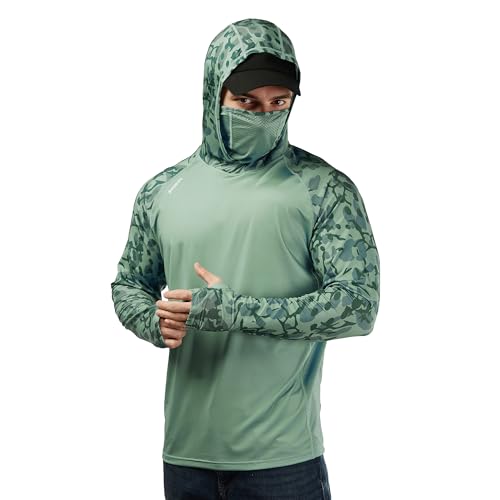
Rodeel UPF 50+ Men’s Long Sleeve Performance Fishing Hiking Shirt with Mask Outdoor UV Neck Gaiter Hoodie
- Fabric Composition: 90% Polyester, 10% Elastane
- Sun Protection: UPF 50+ UV Protection Hoodie
- Breathable & Quick Dry: Excellent breathability and quick drying
As an affiliate, we earn on qualifying purchases.
As an affiliate, we earn on qualifying purchases.