

TL;DR
The New York City health department has confirmed an expanding cluster of Legionnaires’ disease cases on the Upper East Side. Authorities are investigating the source as the number of cases rises, raising public health concerns.
The New York City health department has confirmed that the number of Legionnaires’ disease cases on the Upper East Side is increasing, with at least five confirmed cases reported so far. This development comes amid ongoing investigations into the source of the outbreak, which has raised concerns among residents and officials alike.
According to the NYC Department of Health, the confirmed cases have occurred within a concentrated area of the Upper East Side, with patients ranging in age from 40 to 70 years old. All individuals affected have been hospitalized, and no fatalities have been reported at this stage. The department has identified the cases through laboratory testing and is actively working to determine whether they are linked to a common water source or other environmental factors.
Health officials have issued a warning to residents in the area, advising them to be cautious of symptoms such as cough, fever, muscle aches, and shortness of breath. The department is also inspecting local water systems, cooling towers, and other potential sources of Legionella bacteria, which causes the disease. The investigation is ongoing, and no definitive source has yet been identified.
Why the Growing Cluster of Legionnaires’ Matters to Residents
This outbreak underscores the importance of water system maintenance and monitoring in urban environments. Legionnaires’ disease can cause severe pneumonia, especially among vulnerable populations, including older adults and those with compromised immune systems. The expansion of cases on the Upper East Side highlights the potential public health risk if the source is not quickly identified and mitigated.
Moreover, the outbreak could lead to increased scrutiny of building water management practices and prompt city-wide reviews of cooling towers and other Legionella-prone systems. Residents and businesses in the affected area are advised to stay informed and report any symptoms or concerns to health authorities.
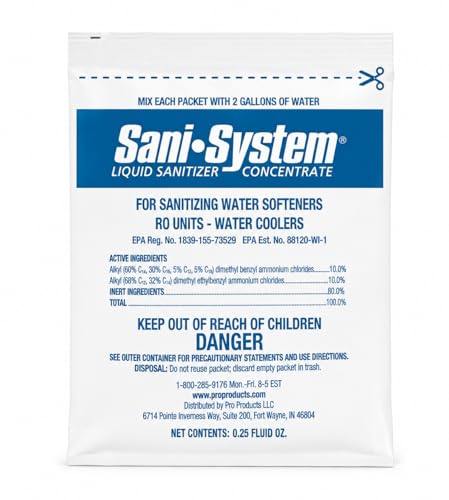
Pro Products Sani-System Liquid RO, Water Softener, and Water Cooler Sanitizer 0.25 Oz Packet, SS01RO
- Suitable for various water systems: Sanitizes water softeners, RO units, coolers
- Certified and EPA-registered: NSF/ANSI/CAN 60, EPA-registered sanitizer
- Convenient size: 0.25 FL. OZ. packet
As an affiliate, we earn on qualifying purchases.
As an affiliate, we earn on qualifying purchases.
Previous Outbreaks and City Response to Legionnaires’ Disease
Legionnaires’ disease has been a recurring concern in New York City, with notable outbreaks occurring in recent years. The city has implemented regulations requiring regular inspection and maintenance of cooling towers since 2015, following a 2015 outbreak that resulted in 12 deaths. Despite these measures, outbreaks still occur, often linked to aging infrastructure or lapses in maintenance.
Health officials have emphasized rapid response and investigation protocols to contain outbreaks, but the recent cluster on the Upper East Side indicates that vigilance remains essential. The city continues to monitor water systems citywide, especially during warmer months when bacteria proliferation is more likely.
“We are actively investigating the source of this cluster and are taking all necessary precautions to protect residents.”
— NYC Department of Health spokesperson

Universal 120mm CPU Fan Mounting Clips Kit – Stainless Steel Wire Buckle for Tower,Tool-Free Snap-On Installation,Black,2 Sizes (8 Clips Total)
- Material: Stainless steel for durability and rust resistance
- Installation: Tool-free snap-on design for easy setup
- Compatibility: Fits most 120mm tower coolers and fans
As an affiliate, we earn on qualifying purchases.
As an affiliate, we earn on qualifying purchases.
Unresolved Questions About the Outbreak’s Source
It is not yet clear what specific water source or environmental factor is responsible for the Legionnaires’ cases. Investigations are ongoing, and officials have not confirmed a definitive link to any particular cooling tower, plumbing system, or other environmental site. The possibility of multiple sources or an unidentified environmental reservoir remains under consideration.
Legionnaires' disease symptom thermometer
As an affiliate, we earn on qualifying purchases.
As an affiliate, we earn on qualifying purchases.
Next Steps in Outbreak Investigation and Public Health Measures
Health officials will continue testing and inspecting potential sources of Legionella bacteria, including cooling towers and water systems in the affected buildings. The department is expected to release further updates on the investigation’s progress within the next week. Residents are advised to remain vigilant for symptoms and follow public health guidance, including water safety precautions.

Detekt® Home Inspection Test Kit – Air, Water, Lead, Mold & Bacteria
- Empowers Home and Health Awareness: Identify indoor concerns early
- No Lab or Waiting Required: Get quick DIY results at home
- Includes Radon Off-Site Analysis: Prepaid, no extra fees
As an affiliate, we earn on qualifying purchases.
As an affiliate, we earn on qualifying purchases.
Key Questions
How many cases have been confirmed so far?
At least five cases of Legionnaires’ disease have been confirmed on the Upper East Side, with investigations ongoing to determine if more cases are linked to the outbreak.
What are the symptoms of Legionnaires’ disease?
Symptoms include cough, fever, muscle aches, shortness of breath, and chest pain. Severe cases can lead to pneumonia, especially in vulnerable populations.
Is the outbreak contained?
No, the outbreak is still under investigation. Authorities are working to identify and eliminate the source, and residents are advised to stay alert and report symptoms.
What precautions should residents take?
Residents should avoid inhaling water aerosols from cooling towers or fountains, stay informed through official updates, and seek medical attention if experiencing symptoms consistent with Legionnaires’ disease.
Has the city taken any measures to prevent further cases?
Yes, the NYC Department of Health is inspecting local water systems, issuing advisories, and reviewing maintenance practices for cooling towers and other potential sources of Legionella bacteria.
Source: google-trends