
TL;DR
New York City health officials issued a warning to Central Park visitors following a growing outbreak of Legionnaires’ disease on the Upper East Side. The outbreak has prompted health advisories and ongoing investigations.
NYC health officials have issued a warning to visitors of Central Park after confirming an increase in Legionnaires’ disease cases linked to the recent outbreak on the Upper East Side. The alert aims to prevent further infections as investigations continue into the source of the contamination.
According to the NYC Department of Health, at least 15 cases of Legionnaires’ disease have been confirmed in residents of the Upper East Side over the past two weeks. The outbreak is now believed to have expanded to include areas around Central Park, prompting health officials to issue a public advisory.
Health officials have identified that the source of the outbreak is likely related to cooling towers or water systems in buildings along the affected neighborhoods. The Department of Health is conducting inspections and has ordered several facilities to shut down or remediate water systems suspected of harboring the bacteria.
City officials have advised residents and visitors to avoid spraying water from fountains, to stay hydrated, and to seek medical attention if experiencing symptoms such as cough, fever, or shortness of breath. No deaths have been reported so far, but several cases are severe, requiring hospitalization.
Health Risks and Public Safety Implications of the Outbreak
This outbreak highlights the ongoing risk of Legionnaires’ disease in urban environments, especially linked to water systems in large buildings. The warning to Central Park visitors underscores the potential for widespread exposure and the importance of prompt public health responses.
For New Yorkers and visitors, the situation emphasizes the need for awareness and precaution, particularly for vulnerable populations such as the elderly or those with compromised immune systems. The outbreak also raises questions about building maintenance standards and water system oversight in the city.

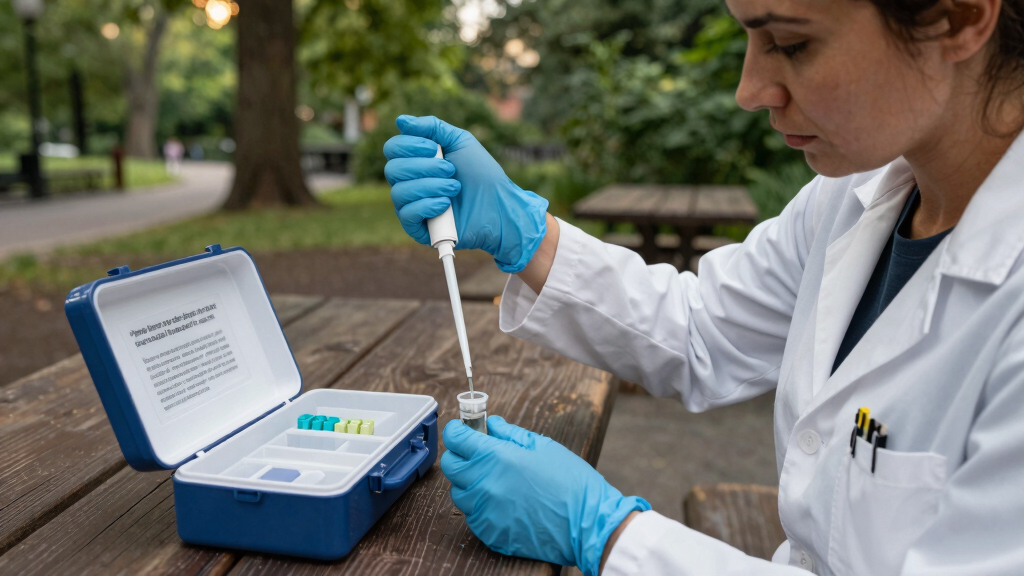
HydroHawk Legionella Swab Test for Water Outlets – Single-Use Testing Kit
- Complete Single-Use Test Kit: Includes swab, buffer, test strip, instructions
- Detects Legionella at 200 CFU: High sensitivity for early contamination detection
- Results in 25 Minutes: Fast, easy testing without lab needed
As an affiliate, we earn on qualifying purchases.
As an affiliate, we earn on qualifying purchases.
Recent Trends in Legionnaires’ Disease Cases in NYC
Legionnaires’ disease has been a recurring concern in New York City, with outbreaks typically associated with contaminated cooling towers or water systems. The city has experienced several significant outbreaks in recent years, leading to increased inspections and regulations.
The current outbreak on the Upper East Side, which now appears to be affecting Central Park visitors, marks one of the larger clusters in recent memory. The NYC Department of Health has been actively investigating the source since cases first emerged two weeks ago.
Previous outbreaks prompted city-wide testing and remediation efforts, but the bacteria can persist in water systems if not properly managed, making ongoing vigilance necessary.
“We are actively investigating the source of this outbreak and have taken immediate steps to inspect and remediate water systems in affected areas.”
— NYC Department of Health spokesperson

BKLES Electric Water Purifier Camping, Survival & Emergency Preparedness
- 6-Stage Filtration System: Includes ultrafiltration, KDF, activated carbon
- Improves Water Taste: High-quality coconut activated carbon fiber
- Certified Quality: SGS, FDA, FCC, UL approved
As an affiliate, we earn on qualifying purchases.
As an affiliate, we earn on qualifying purchases.
Unclear Extent of Exposure and Source Identification
It is not yet clear how widespread the exposure has become among Central Park visitors or whether the source of the bacteria has been definitively identified. Investigations are ongoing, and health officials have not confirmed the specific building or water system responsible.
Additionally, the full scope of cases linked to the outbreak remains under review, and it is uncertain whether additional cases will be reported in the coming days.
As an affiliate, we earn on qualifying purchases.
Next Steps in Investigation and Public Advisory Updates
Health officials plan to continue inspecting suspected water systems and increasing testing in affected neighborhoods. They will also monitor new cases and provide updates to the public as more information becomes available.
The city may impose further remediation measures or restrictions on water features in public spaces if necessary. Officials are also expected to issue additional guidance for residents and visitors in the coming days.
personal hydration packs for city visitors
As an affiliate, we earn on qualifying purchases.
As an affiliate, we earn on qualifying purchases.
Key Questions
What is Legionnaires’ disease?
Legionnaires’ disease is a severe form of pneumonia caused by the Legionella bacteria, often contracted through inhaling contaminated water vapor or mist from sources like cooling towers, fountains, or water systems.
How can I protect myself from infection?
Visitors are advised to avoid spraying water from fountains, stay hydrated, and seek medical attention if they experience symptoms such as cough, fever, or difficulty breathing. Vulnerable populations should exercise extra caution.
Are public water features safe to use now?
City officials have recommended avoiding contact with water features until further notice. Remediation efforts are ongoing to ensure safety.
Has anyone died from this outbreak?
There have been no reported deaths linked to this outbreak so far, but some cases have been severe and required hospitalization.
What is the city doing to control the outbreak?
Health authorities are inspecting and disinfecting suspected water systems, issuing advisories, and monitoring new cases to contain the spread.
Source: google-trends