TL;DR

Turn your wind-down time into listening time
- Thousands of audiobooks, podcasts and originals
- Listen on your phone, tablet or Echo — also offline
- Cancel anytime
A headline asks how to distinguish effective wellness practices from marketing, but no article body, evidence, or named practices was available. Readers should treat specific claims as unverified until they can be checked against reliable evidence and qualified health guidance.
A headline asks which trendy wellness practices work and which are mainly marketing, but the available item contains no article body, named practices, or evidence to answer that question. The distinction matters to people making health decisions, yet no specific practice or effectiveness claim is confirmed by the material available here.
The item frames wellness as a trend and poses a consumer question: how to identify practices with a meaningful basis from those promoted chiefly through marketing. It does not describe a particular treatment, diet, supplement, device, exercise routine, or service. It also offers no study findings, expert comments, health authority guidance, or examples that could support a verdict.
That absence limits what can responsibly be reported. There is no basis here to label any practice effective or ineffective, or to say that a named product is a fad. The headline is a question, not a reported finding. Any specific answer would require evidence beyond the information available in the item.
Readers assessing a wellness claim can look for the exact outcome being promised, the quality and relevance of evidence, and whether independent sources support the same conclusion. Promotional language or personal stories alone do not establish that a practice works. For decisions about treatment, symptoms, or supplements, people should consult a qualified health professional rather than rely on a trend headline.
How To Tell Effective Wellness Practices From Passing Fads
A headline raises a useful question, but the article details and supporting evidence are unavailable. No specific practice can be called effective or dismissed as a fad from the information provided.
No trend is identified.
No research is available to assess.
No clinician or agency guidance is included.
Specific claims remain unverified.
The reporting stops at the question
The supplied material contains a headline and a short description, but no article body. It gives no publication date, examples, evidence, or criteria for judging whether a practice “works.” That leaves the central question unanswered.
A consumer question
The item frames a distinction between practices with a meaningful basis and trends promoted chiefly through marketing.
Evidence or examples
No diet, supplement, device, treatment, exercise routine, or service is named or evaluated.
A finding or recommendation
A headline phrased as a question does not prove that a practice works—or that it is only a fad.
Popularity is not proof.
Promotional language and personal stories alone cannot establish that a practice works. A careful assessment needs a defined claim, relevant evidence, and context about benefits, risks, and limits.
Ask what the claim actually promises
When a fuller account or source is available, use these questions to separate a specific, checkable health claim from broad promotional language.
Name the outcome
Is the promise specific and measurable? “Supports wellness” is less precise than a clearly stated health outcome.
Check the evidence
Look for research relevant to the claim and to people like you. Consider whether independent sources reach similar conclusions.
Look for the limits
Check whether the account explains uncertainty, possible risks, and what the evidence does not show.
Evidence for one use does not confirm every promise.
Any conclusion needs to stay tied to the particular practice, outcome, and evidence being discussed. Broad claims require support of their own.
Move from headline to informed decision
The next step for this item is verification. Find the underlying reporting or other reliable sources before drawing conclusions about a specific wellness trend.
Identify the practices and claims the headline refers to.
Check cited research and who produced or reviewed it.
See whether independent medical or public health sources agree.
Ask a qualified health professional about your own decision.
Use qualified health guidance
Do not rely on a trend headline to make decisions about treatment, symptoms, or supplements. A qualified professional can help weigh possible benefits, risks, and alternatives.
No follow-up details supplied
The available item specifies no publication update or follow-up date. Its examples, evidence, and original reporting context remain unknown.
What the available information can answer
Does it identify a practice that works?
No. The supplied text names no practices and reports no supporting findings.
Does it show that a trend is only marketing?
No. There are no examples or evidence to support that conclusion.
How can a reader assess a claim?
Check the promised outcome, relevant evidence, independent sources, and the limits of the findings.
What details are missing?
The article’s examples, evidence, publication date, and any expert or official comments are unavailable.
Why Wellness Claims Need Evidence
Wellness claims can affect health choices, time, and spending. When a trend is described as effective without showing what outcome was studied or how strong the evidence is, readers may mistake attention or popularity for proof. That is particularly relevant when a product or routine is marketed with claims about preventing, treating, or improving a health condition.
The headline identifies a useful public question, but it does not provide enough reporting to settle it. Treating its framing as a conclusion could turn an open question into an unsupported recommendation. A careful account would need to distinguish evidence for a specific use from broader promises, and explain relevant limits rather than making blanket claims about wellness trends.
Products Worth Considering

Fitbit Sense Health & Fitness Smartwatch (White/Gold, International Version)
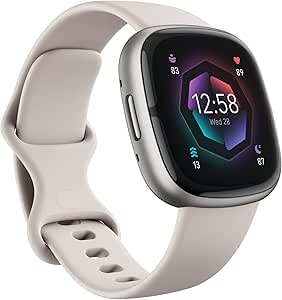
Fitbit Sense 2 Health and Fitness Smartwatch (Lunar White/Platinum)

Oral-B iO Series 5 Rechargeable Electric Toothbrush with Travel Case, White
As an affiliate, we earn on qualifying purchases.
What the Headline Establishes
The available information consists of a headline and a short description asking which popular health practices work and which amount to marketing. The article body could not be retrieved. There is no publication date, named source, cited research, or identified trend in the material provided, so the timing and original reporting context cannot be independently described.
This means the item supports reporting on the question it raises, but not an account of particular findings. It does not identify criteria used to assess effectiveness, compare practices, or report advice from a clinician or public health agency. Those details would be needed to move from a general consumer question to evidence-based conclusions.
Evidence and Examples Are Missing
The central uncertainty is that the evidence behind the headline is unavailable. It is not clear which practices the original article discusses, what it means by “work,” or whether any studies or expert assessments were cited. No claims about benefits, risks, or marketing tactics can be checked against the supplied information.
It is also unknown when the item was published or whether a full version is available elsewhere. Until those details are accessible, readers should not treat the headline as a recommendation, a finding, or proof that any particular wellness practice is a passing fad.
What Readers Can Verify Next
A fuller assessment requires the article body or another reliable account that identifies the practices under discussion and cites its evidence. Readers can then check whether claims refer to a clearly defined health outcome, whether the research applies to people like them, and whether independent medical or public health sources agree.
For an individual health decision, a qualified professional can help weigh potential benefits, risks, and alternatives. No further reporting, publication update, or follow-up date is specified in the available item; the next step is verification, not assuming that the headline answers its own question.
Key Questions
Does the available item identify any wellness practice that works?
No. The available text gives a headline and a general question, but names no practices or supporting findings.
Does it show that a particular wellness trend is only marketing?
No. It provides no examples, evidence, or reporting that would support that conclusion. The headline frames a question rather than establishing a finding.
How can readers assess a wellness claim?
Check the specific outcome being promised, look for relevant evidence from reliable and independent sources, and distinguish research findings from testimonials or promotional claims. Ask a qualified health professional about personal medical decisions.
What remains unknown about this item?
The article’s examples, evidence, publication date, and any expert or official comments are not available. It is therefore not possible to assess its conclusions.
Source: news.google.com