TL;DR

Turn your wind-down time into listening time
- Thousands of audiobooks, podcasts and originals
- Listen on your phone, tablet or Echo — also offline
- Cancel anytime
A self-help essay identifies 10 everyday habits it argues can diminish a person’s sense of joy, including trying to control what cannot be changed, dwelling on the past and fearing failure. The source offers personal-development advice, not research findings, and provides no evidence that these habits invariably drain happiness.
A self-help article is drawing attention to 10 habits it says can erode everyday joy, including resisting change, seeking control over uncontrollable events and comparing one’s life with other people’s. The list offers personal-development guidance, but the supplied material cites no studies or other evidence establishing that these habits cause unhappiness.
The article’s central argument is that repeated behavior shapes how people experience their lives. It urges readers to notice responses they can influence, rather than treating frustration, worry or envy as unavoidable reactions. For problems that can be addressed, it recommends taking action; for circumstances that cannot be changed, it advocates acceptance and redirecting attention.
Several of the listed habits concern change and self-judgment: expecting life to follow a fixed script, holding on to the way things used to be, and refusing to forgive oneself for past mistakes. The author recommends treating setbacks as opportunities to learn and accepting that people and circumstances evolve. These are presented as suggestions, not as findings from a clinical or academic study.
The remaining items focus on daily priorities and behavior: living by default rather than making deliberate choices, resisting new ideas, pursuing short-term gratification at the expense of longer-term aims, focusing too much on other people’s lives, and fearing failure. The supplied source begins a tenth item about failure but ends before its full text is available, so its complete wording and conclusion cannot be verified.
A self-help list, examined
Could These 10 Everyday Habits Be Stealing Your Joy?
A motivational essay names habits that may get in the way of a satisfying life. Its advice invites reflection, but the supplied material cites no research proving these behaviors cause unhappiness.
01 / The list
Habits the source flags
These are the behaviors and patterns identifiable in the supplied excerpt. The final item is incomplete, so the full ten cannot be confirmed.
Expecting life to follow a script
Rigid expectations can make change harder to accept.
Trying to control the uncontrollable
The article suggests acting where possible and accepting what cannot be changed.
Clinging to how things used to be
People and circumstances evolve over time.
Refusing to forgive yourself
The source encourages learning from past mistakes.
Living by default
It recommends deliberate choices about time and priorities.
Resisting new ideas
The list urges readers to stay open to learning.
Chasing fleeting gratification
It contrasts immediate wants with longer-term aims.
Focusing on other people’s lives
The source recommends redirecting attention to your own path.
Fear of failure
The excerpt begins this point and mentions learning through attempts, then cuts off.
02 / Suggested response
Separate action from acceptance
The essay frames everyday choices as opportunities to respond more deliberately. Its suggestions are prompts for reflection, not guaranteed solutions.
01 / WHEN CHANGE IS POSSIBLE
Take a practical step
For a problem you can address, identify one useful action and follow through.
02 / WHEN IT ISN’T
Practice acceptance
For circumstances outside your control, the source advises accepting the situation and redirecting attention.
03 / FOR SETBACKS
Look for what you can learn
Treat mistakes as information that can guide a next attempt, rather than as a final judgment.
03 / What the source supports
Advice, not a research finding
The distinction between motivational guidance and evidence matters when interpreting a headline about happiness.
The supplied material names no study, researcher, health authority, publication date, or method for selecting the habits. It also does not define how “joy” would be measured.
It presents practical ideas such as tracking time, seeking new perspectives, taking small steps toward goals, and learning from mistakes. These may serve as reflection prompts; the excerpt does not establish that they reliably increase happiness.
Well-being can also be shaped by circumstances beyond individual habits. The article’s claims should be read as the author’s viewpoint, not as a diagnosis or proven explanation for anyone’s emotional state.
04 / Reader’s guide
What can be verified?
The supplied excerpt is enough to describe the article’s advice, but not to confirm its broader claims.
Does the article prove these habits reduce happiness?
No. The supplied material offers motivational advice but cites no research, data, or expert assessment demonstrating that these habits cause reduced happiness.
What does it recommend when a problem is outside your control?
It advises acting on problems you can fix and accepting circumstances you cannot change. This is guidance, not a guarantee that acceptance will resolve distress.
Is the tenth habit fully available?
No. The excerpt starts a point about fear of failure and repeated attempts, then ends mid-sentence. Its full wording and conclusion cannot be confirmed.
Where could readers look for more context?
The source names no supporting research. Readers would need the original article and any sources it cites; none are included in the supplied material.
How the List Frames Everyday Choices
The list may give readers a prompt to examine routines, attention and personal priorities. Its practical suggestions include tracking where time goes, seeking out new ideas, taking small steps toward chosen goals and treating mistakes as chances to learn. Those suggestions may be useful as reflection prompts, but the source does not show that following them will reliably increase happiness.
That distinction matters because the headline frames the habits as potentially “stealing” joy, while the text is motivational advice rather than reported research. A person’s well-being can be affected by circumstances beyond individual habits, and the article does not assess those factors. Its claims should be read as the author’s perspective, not a diagnosis or a proven explanation for someone’s emotional state.
Products Worth Considering

Garmin Forerunner 55 GPS Running Smartwatch, Black
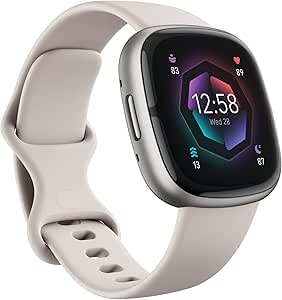
Fitbit Sense 2 Health and Fitness Smartwatch (Lunar White/Platinum)

Coway Mighty AP-1512HH(W) Air Purifier, White
As an affiliate, we earn on qualifying purchases.
Advice, Not a Research Finding
The source is written in a direct, second-person self-help style. It presents a sequence of recommended mindsets and actions, such as choosing how to respond to a setback, learning from past decisions and building a life around personally meaningful aims. It also promotes a book, 1,000 Little Things Happy, Successful People Do Differently, and mentions a journal product. Those references indicate a self-help context, rather than an independent evidence review.
The material names no study, researcher, health authority or publication date. It also does not define “joy” or explain how the ten habits were selected. The article therefore supports reporting what the source advises, but not presenting its assertions as scientific conclusions about the causes of happiness.
“You are in control of the way you look at life.”
— The self-help article
Evidence and the Tenth Habit
The source does not provide evidence showing whether the ten behaviors are linked to reduced joy, how any such effect was measured, or whether the advice works across different people and circumstances. It also gives no publication date or named author in the supplied material. The final item is incomplete: the text discusses fear of failure and repeated attempts, then cuts off mid-sentence. The full tenth habit and its ending remain unknown.
What Readers Can Verify
No follow-up, study or formal announcement is identified in the supplied material. Readers seeking evidence beyond the article would need to consult its full original publication and any research it cites; none is included here. Until additional sourcing is available, the ten points are best understood as general self-help suggestions, not verified findings about what causes people to lose joy.
Key Questions
What are the habits named in the source?
The source lists unrealistic expectations, trying to control the uncontrollable, clinging to the past, refusing self-forgiveness, living by default, resisting learning, chasing fleeting contentment, focusing on others’ stories and fearing failure. It starts a tenth item about failure, but the supplied text cuts off before that item is complete.
Does the article prove these habits reduce happiness?
No. The supplied material provides motivational advice but cites no research, data or expert assessment demonstrating that the habits cause reduced happiness.
What does the source recommend for problems outside someone’s control?
It advises readers to act on problems they can fix and to accept circumstances they cannot change. This is the source’s guidance, not a guarantee that acceptance will resolve distress.
Is the tenth habit fully available?
No. The text begins a point about fearing failure and says unsuccessful attempts can be part of progress, but the supplied excerpt ends mid-sentence. The remainder cannot be confirmed.
Source: marcandangel.com