
TL;DR
Baby goats from a traveling petting zoo in the U.S. have tested positive for rabies. The incident has prompted health officials to investigate, raising concerns about zoonotic disease transmission from traveling animal exhibits.
Three baby goats from a traveling petting zoo in the United States have tested positive for rabies, according to local health officials. This is the first confirmed case of rabies in animals from this specific exhibit, which traveled across multiple states. The incident has prompted immediate health responses and warnings to the public, given rabies’ severity and zoonotic potential.
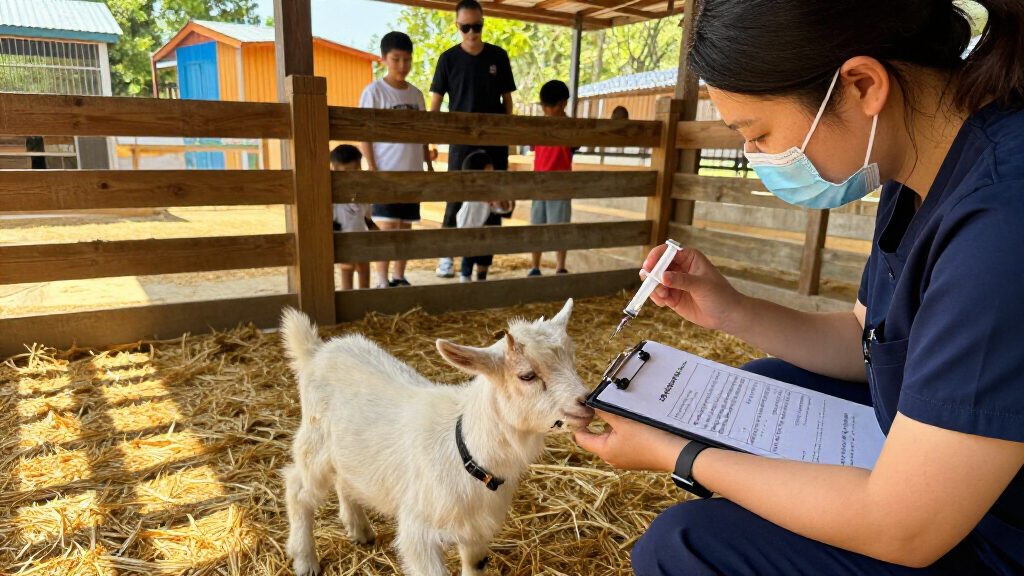
On March 2026, health authorities announced that three baby goats, part of a mobile petting zoo operating in several states, tested positive for rabies after exhibiting neurological symptoms. The animals were part of an outdoor exhibit that allowed close contact with visitors, including children. The petting zoo operator cooperated with authorities, and the affected animals have been euthanized to prevent further spread.
According to the Department of Agriculture and local health departments, the tests confirmed rabies through laboratory analysis. The animals had been vaccinated previously, but the vaccination may have failed or the animals contracted the virus shortly before testing. No human cases have been reported, but health officials are monitoring individuals who had contact with the goats.
Officials have issued warnings to the public to avoid contact with the affected animals and are conducting a broader investigation into the source of the infection. The petting zoo operator stated they are cooperating fully and are reviewing their health and safety protocols.
Implications for Public Health and Animal Safety
This incident underscores the risks associated with traveling animal exhibits, especially those involving young, vaccinated animals that can still contract and transmit rabies. Rabies remains a deadly zoonotic disease, with human fatalities if untreated. The case raises concerns about the safety protocols of mobile petting zoos and the potential for rabies outbreaks in animals that are in close contact with the public, particularly children.
It also highlights the importance of strict vaccination and health checks for animals involved in public displays. Authorities may review regulations governing traveling animal exhibits to prevent similar incidents in the future. For the public, it emphasizes the need for caution and awareness when interacting with animals in such settings.
As an affiliate, we earn on qualifying purchases.
Traveling Petting Zoos and Rabies Risks
Traveling petting zoos are popular attractions at fairs, festivals, and events across the U.S., offering children and families a chance to interact with farm animals. While these exhibits are generally considered safe, they pose certain health risks, including zoonotic diseases like rabies, salmonella, and E. coli.
Rabies, a viral disease transmitted through bites or scratches from infected animals, remains a public health concern despite widespread vaccination efforts in domestic animals. Outbreaks in wildlife and unvaccinated animals can pose risks to humans and other animals. The recent positive rabies tests in baby goats from a traveling exhibit are unusual but not unprecedented, prompting renewed scrutiny of safety protocols.
Prior incidents involving rabies in farm animals or zoo animals have led to stricter regulations and vaccination requirements, but outbreaks still occur, especially in mobile or less-regulated settings. The current case is drawing attention to potential gaps in health screening for animals in traveling exhibits.
As an affiliate, we earn on qualifying purchases.
Unanswered Questions About the Outbreak
It is not yet clear how the goats contracted rabies, especially given their prior vaccination. The source of the infection remains under investigation, and it is uncertain whether other animals in the exhibit are infected or if the rabies strain is linked to local wildlife reservoirs. Additionally, the extent of potential human exposure is still being assessed, and no human cases have been confirmed.
As an affiliate, we earn on qualifying purchases.
Next Steps in Public Health Response
Health officials are expanding testing to include all animals in the petting zoo and nearby wildlife. They are also reviewing vaccination protocols and safety measures for traveling animal exhibits. The affected zoo has temporarily ceased operations pending further safety assessments. Authorities will continue monitoring for any new cases and will update the public as more information becomes available.
rabies prevention for petting zoo animals
As an affiliate, we earn on qualifying purchases.
As an affiliate, we earn on qualifying purchases.
Key Questions
Could the rabies have been contracted despite vaccination?
Yes, while rabies vaccines are highly effective, they are not 100% foolproof. Vaccinated animals can still contract rabies if the vaccine fails or if the infection occurs shortly before vaccination or after a lapse in immunity.
Are other animals in the exhibit at risk?
Authorities are testing all animals involved in the exhibit, and nearby wildlife. The situation is still developing, and precautionary measures are being implemented to prevent further spread.
Should visitors be worried about rabies exposure?
At this time, no human cases have been reported. However, individuals who had close contact with the affected goats are being advised to consult healthcare providers for evaluation and possible post-exposure prophylaxis.
Will this affect other traveling petting zoos?
It may lead to increased scrutiny and tighter regulations for traveling animal exhibits, especially regarding vaccination and health screening protocols.
What can the public do to stay safe around animals?
People should avoid direct contact with unfamiliar or visibly sick animals and follow safety instructions provided at petting zoos and similar venues.
Source: rss