
TL;DR

Turn your wind-down time into listening time
- Thousands of audiobooks, podcasts and originals
- Listen on your phone, tablet or Echo — also offline
- Cancel anytime
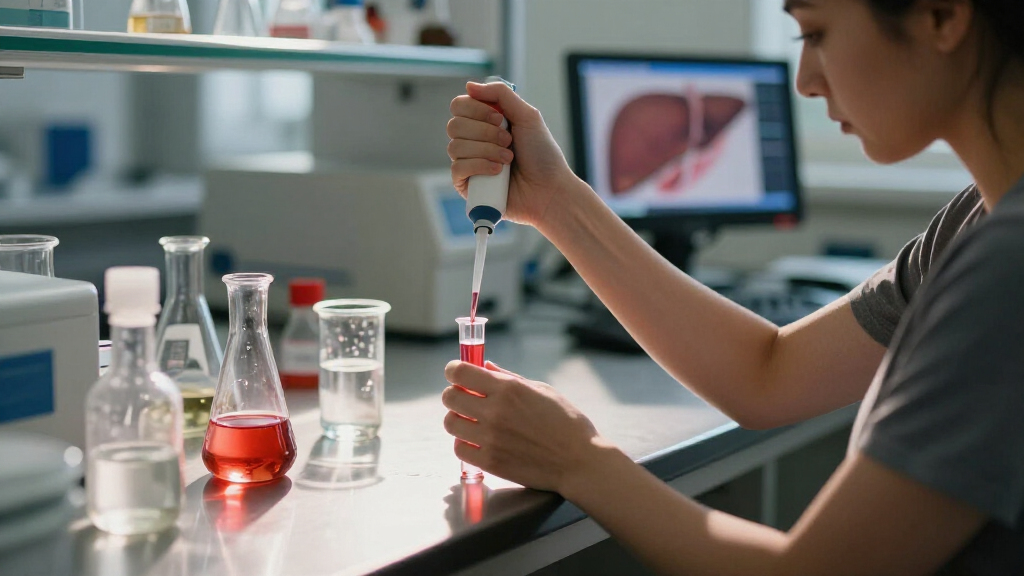
Scientists have identified specific cellular processes that prevent the liver from fully healing after stopping alcohol consumption. This discovery explains why some individuals experience ongoing liver issues despite abstinence, highlighting new challenges in treating alcohol-related liver disease.
Scientists have identified cellular mechanisms that explain why the liver may not fully heal even after an individual stops drinking alcohol. This discovery, published in recent research, provides new understanding of persistent liver damage in former drinkers and may influence future treatments for alcohol-related liver disease.
Research led by hepatology experts shows that chronic alcohol consumption causes lasting changes in liver cells, particularly in the way they repair and regenerate. The study found that alcohol-induced damage triggers a sustained inflammatory response and alters gene expression in liver tissue, which impairs the organ’s ability to recover fully even after alcohol intake ceases. These findings were published in a peer-reviewed journal and are based on both human tissue analysis and animal models.
Specifically, the study identified that certain immune cells remain activated long after drinking stops, maintaining a state of chronic inflammation. Additionally, researchers observed that fibrosis, or scarring, in the liver can become self-perpetuating, preventing normal tissue regeneration. These processes collectively contribute to ongoing liver dysfunction in some former drinkers, despite abstinence.
Experts emphasize that these findings could explain why some patients with alcohol-related liver disease experience persistent symptoms or progressive damage even after quitting alcohol. The research also suggests potential targets for therapeutic intervention aimed at modulating immune responses and fibrosis to promote liver healing.
This discovery is significant because it shifts the understanding of liver recovery post-alcohol consumption. It suggests that simply stopping drinking may not be sufficient for some patients, and that additional treatments targeting immune response and fibrosis may be necessary. The findings could lead to new therapies designed to reverse or halt ongoing liver damage, improving outcomes for individuals with alcohol-related liver disease.
Healthcare providers may need to consider these biological factors when diagnosing and managing patients, potentially incorporating new biomarkers or therapeutic strategies to enhance liver regeneration. The research also underscores the importance of early intervention before irreversible scarring occurs.
As an affiliate, we earn on qualifying purchases.
Background on Liver Damage and Alcohol Use
Chronic alcohol consumption is a leading cause of liver disease worldwide, often resulting in fatty liver, inflammation, fibrosis, and cirrhosis. Historically, it has been assumed that abstinence from alcohol allows the liver to heal over time, especially if damage is caught early. However, clinical observations have shown that some former drinkers continue to experience liver problems despite quitting, prompting scientists to investigate the underlying biological mechanisms.
Recent research has focused on the cellular and molecular changes induced by alcohol, revealing that damage may become self-perpetuating due to alterations in immune cell behavior and tissue scarring. These insights are relatively new and are driving a reevaluation of treatment approaches for alcohol-related liver disease.
While the full picture remains complex, the current studies build on decades of research into liver regeneration and injury, highlighting that recovery is not always straightforward or complete, especially in cases of long-term alcohol abuse.
As an affiliate, we earn on qualifying purchases.
Unanswered Questions About Liver Recovery
While the study sheds light on cellular processes that hinder liver healing, it remains unclear how these mechanisms vary among individuals or how they might be reversed. The long-term effectiveness of potential therapies targeting immune responses and fibrosis is still under investigation. Additionally, it is not yet confirmed whether all patients with alcohol-related liver damage experience these persistent cellular changes, or if some recover fully with abstinence alone.
Further research is needed to determine the precise timeline of these cellular alterations and to identify which patients are most at risk of incomplete recovery.
As an affiliate, we earn on qualifying purchases.
Future Research and Clinical Applications
Scientists plan to conduct longitudinal studies to track liver healing over time in former drinkers and test targeted therapies aimed at reducing inflammation and fibrosis. Researchers are also exploring biomarkers that could predict which patients are unlikely to recover fully, enabling personalized treatment plans. Clinical trials testing drugs that modulate immune responses or break down scar tissue are expected to begin within the next few years.
Meanwhile, healthcare providers are encouraged to consider these findings when managing patients with a history of alcohol abuse, emphasizing early intervention and comprehensive treatment strategies to support liver regeneration.
As an affiliate, we earn on qualifying purchases.
Key Questions
Can liver damage from alcohol be completely reversed?
Recovery depends on the extent of damage and individual factors. While early-stage damage may be reversible, advanced fibrosis or cirrhosis may be more difficult to heal fully. Recent research indicates that some cellular changes can hinder complete recovery, even after stopping alcohol.
What new treatments might help liver recovery?
Future therapies could target immune system activation and fibrosis, aiming to reduce inflammation and promote tissue regeneration. Clinical trials are exploring drugs that modulate these processes, but they are not yet standard treatments.
How soon might new therapies become available?
It is uncertain; clinical trials are ongoing, and it may take several years before new treatments are approved for widespread use. Continued research is essential to translate these findings into clinical practice.
Does abstinence always prevent further liver damage?
Not necessarily. While abstinence can halt ongoing damage, existing cellular changes may persist, impairing full recovery in some cases. Medical follow-up is important for managing long-term health.
Are there ways to identify who will recover fully?
Researchers are working on biomarkers that could predict recovery potential, but currently, no definitive tests exist. Personalized approaches are being developed based on ongoing studies.
Source: rss
Fall Picks
fall essentials
As an affiliate, we earn on qualifying purchases.