

The spiritual science of gratitude teaches you that genuine thankfulness is a powerful force that shifts your vibrational energy, connecting you to divine blessings. When you practice mindful appreciation, you align your thoughts and feelings with higher spiritual purposes, attracting abundance, healing, and opportunities. This awareness deepens your connection to the sacred, transforming how you experience life. By embracing this practice consistently, you’ll open even more ways to invite divine grace into your everyday existence.
Key Takeaways
- Gratitude is a vibrational frequency that elevates consciousness and attracts positive energy and divine blessings.
- Practicing mindful appreciation aligns individuals with higher spiritual purposes and fosters divine thankfulness.
- Recognizing blessings as divine gifts transforms gratitude into a reverent spiritual practice.
- Regular gratitude rewires the subconscious, promoting abundance, healing, and spiritual growth.
- Embracing sacredness in life’s blessings elevates awareness and attracts divine grace into daily existence.
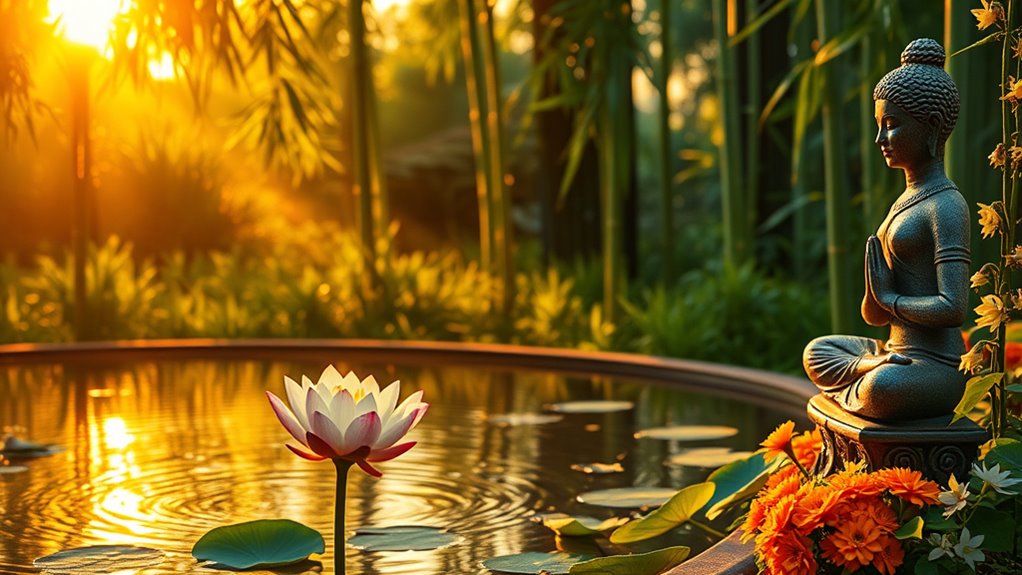
Gratitude isn’t just a simple emotion; it’s a powerful force rooted in spiritual science that can transform your life. When you practice mindful appreciation, you tune into the present moment and acknowledge the blessings around you with genuine awareness. This isn’t about superficial thankfulness, but a deep, intentional recognition of the good that exists in your life. By cultivating mindful appreciation, you open yourself up to divine thankfulness—a state where your gratitude aligns with a higher spiritual purpose. This divine thankfulness connects you to something greater than yourself, fostering a sense of unity and purpose that transcends everyday worries.
When you approach gratitude through the lens of spiritual science, you understand that it’s more than just a positive feeling; it’s a vibrational frequency that influences your entire being. Your thoughts and emotions create energy, and when you focus on gratitude, you emit a powerful frequency that attracts more reasons to be thankful. This energetic shift isn’t accidental; it’s backed by spiritual principles that suggest gratitude acts as a catalyst for abundance and healing. As you practice mindful appreciation daily, you not only shift your mood but also realign your life towards positivity and spiritual growth.
Divine thankfulness is a conscious choice to see life’s blessings as gifts from a divine source. It’s recognizing that everything you have—your health, relationships, opportunities—comes from a divine wellspring that sustains you. When you embrace this perspective, gratitude becomes more than a fleeting emotion; it turns into a spiritual practice that nurtures your soul. This divine thankfulness encourages humility and a sense of interconnectedness, reminding you that you’re part of a vast, benevolent universe. It’s about trusting that what you receive is part of a divine plan, and expressing gratitude becomes an act of reverence.
Practicing mindful appreciation and divine thankfulness regularly rewires your subconscious mind. Over time, your focus shifts from scarcity and what’s lacking to abundance and what’s already present. This mental transformation can be supported by understanding the principles of spiritual science, which suggest that gratitude acts as a catalyst for abundance and healing. Over time, this shift in perspective unlocks deeper levels of peace, joy, and spiritual fulfillment. When gratitude becomes second nature, you begin to see divine miracles everywhere—small acts of kindness, synchronicities, and opportunities. Ultimately, embracing the spiritual science of gratitude empowers you to live with a sense of sacredness, knowing that your appreciation has the power to elevate your consciousness and attract divine blessings into your life.
Frequently Asked Questions
How Does Gratitude Influence Spiritual Growth?
Gratitude boosts your spiritual growth by fostering mindfulness meditation and energy alignment. When you practice gratitude regularly, you become more present and aware of life’s blessings, deepening your mindfulness. This positive focus helps align your energy with higher vibrations, attracting abundance and inner peace. By appreciating what you have, you open yourself to greater spiritual insights and growth, making your journey more connected and meaningful.
Can Gratitude Practices Vary Across Different Religions?
Yes, gratitude practices do vary across different religions. You’ll find interfaith rituals that emphasize gratitude differently, reflecting each faith’s unique beliefs. For example, some traditions focus on prayer and offerings, while others incorporate meditation or acts of service. By exploring comparative beliefs, you see how gratitude is universally valued yet expressed uniquely, helping you deepen your spiritual connection regardless of your specific faith.
What Role Does Gratitude Play in Emotional Healing?
Gratitude plays a crucial role in emotional healing by helping you release negative feelings and foster forgiveness. When you practice gratitude in meditation, you shift your focus from pain to appreciation, which heals emotional wounds. Incorporating gratitude and forgiveness into your routine can boost your resilience, reduce stress, and promote inner peace, ultimately guiding you toward a healthier, more balanced emotional state.
How Can Beginners Effectively Cultivate Gratitude Daily?
You can effectively cultivate gratitude daily by starting with mindful journaling, where you write down things you’re thankful for each morning or evening. Incorporate daily affirmations that focus on appreciation and positivity to reinforce your grateful mindset. Consistency is key—make these practices a daily habit. Over time, you’ll notice a shift in your outlook, fostering greater emotional healing and a deeper sense of spiritual connection.
Is There Scientific Evidence Supporting Gratitude’s Spiritual Benefits?
Research confirms that gratitude strengthens the mind-body connection by activating neurological pathways linked to positive emotions. Scientific studies show that practicing gratitude releases feel-good neurotransmitters like dopamine and serotonin, reducing stress and improving overall well-being. This evidence supports the idea that gratitude isn’t just spiritual; it has tangible benefits for your mental and physical health. So, when you cultivate gratitude daily, you’re fostering a healthier, more resilient mind and body connection.
Conclusion
As you embrace gratitude, it’s like planting seeds in the garden of your soul. With each thankful thought, you nurture a radiant blossom that brightens every corner of your life. Gratitude acts as a gentle current, carrying you to deeper spiritual depths and higher vibrations. When you cultivate this sacred practice, you open your heart to endless blessings—transforming your journey into a beautiful symphony of joy and divine connection.