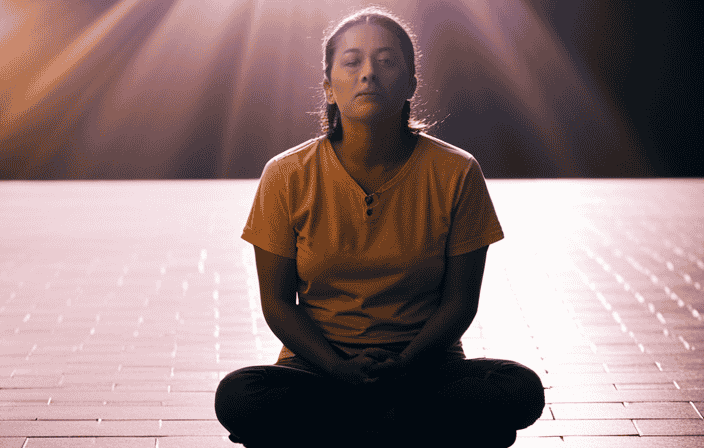
Practicing gratitude every day enriches your spiritual life by shifting your focus from asking to appreciating. It deepens your connection to the divine, promotes humility, and opens your heart to compassion. When you include gratitude in meditation or prayer, it transforms routines into meaningful moments of genuine connection. This practice rewires your mindset toward positivity and abundance, fostering resilience and hope. Stick with it, and you’ll discover even more ways gratitude can elevate your spiritual journey.

Get self-care and calm essentials delivered free — and shop member deals
- Fast, free delivery on millions of items
- Access to Prime Big Deal Days deals on October 6–7
- Prime Video, Amazon Music and more included
Key Takeaways
- Gratitude shifts focus from asking to appreciating, fostering genuine connection in spiritual practices.
- It anchors awareness in the present, reducing distractions and deepening meditation and prayer.
- Practicing gratitude rewires the mind towards positivity, enhancing spiritual growth and resilience.
- Integrating gratitude transforms routines into meaningful opportunities for spiritual connection.
- Gratitude promotes humility and compassion, enriching the overall spiritual journey.

Have you ever noticed how practicing gratitude can deepen your spiritual life? When you intentionally focus on appreciating what you have, it transforms your perspective and enriches your spiritual connection. Incorporating gratitude into your daily routine can make your mindfulness meditation more meaningful. As you sit quietly, acknowledging the blessings in your life, your mind becomes less cluttered with worries and distractions. Instead, you cultivate a sense of contentment and openness, which enhances the depth of your meditation practice. Recognizing gratitude during mindfulness helps you stay present, anchoring your awareness in the here and now, and fostering a profound sense of peace.
Practicing gratitude deepens mindfulness, fosters peace, and transforms your meditation by anchoring you in the present moment.
Similarly, gratitude plays an essential role in your prayer rituals. When you approach prayer with a thankful heart, it shifts your focus from asking for things to appreciating what already exists. This attitude of gratitude makes your prayer more genuine and heartfelt, creating a stronger spiritual connection. By expressing thanks, you acknowledge the divine’s presence in your life, which can deepen your sense of trust and surrender. Gratitude in prayer also encourages humility, reminding you of your dependence on something greater than yourself. Over time, this practice can cultivate a more compassionate and humble spirit, as you recognize the abundance already bestowed upon you.
Integrating gratitude into your spiritual practices isn’t just about the act of saying “thank you”; it’s about genuinely feeling it. When you do this regularly, it rewires your mindset toward positivity and abundance, making your spiritual life more vibrant. It prompts you to see the good even in challenging circumstances, fostering resilience and hope. As you reflect on what you’re grateful for, you also become more aware of the interconnectedness of all life. This awareness fuels your compassion and kindness, reinforcing your spiritual growth.
Ultimately, gratitude becomes a bridge that links your mindfulness meditation and prayer rituals, enriching each with a deeper sense of purpose. It helps you approach spiritual practices not just as routines but as opportunities for genuine connection and transformation. Whether through silent reflection or heartfelt prayer, practicing gratitude opens your heart and mind, allowing you to experience your spirituality more fully. Over time, it becomes a natural part of your journey, guiding you toward greater peace, humility, and understanding. Gratitude, in this way, doesn’t just complement your spiritual practices — it elevates them, making your spiritual life more authentic and profound.
Frequently Asked Questions
Can Gratitude Improve Mental Health Beyond Spiritual Benefits?
Yes, gratitude can profoundly boost your mental health and emotional resilience. When you regularly practice gratitude, you shift your focus from negative thoughts to positive ones, reducing stress and anxiety. This mindset helps you better manage challenges and setbacks. By cultivating gratitude, you strengthen your emotional resilience, making it easier to bounce back from difficult situations and maintain a healthier, more optimistic outlook on life.
How Early in Practice Should I Start Expressing Gratitude?
Why wait to start expressing gratitude? You should begin early in your practice, integrating it into daily reflection and mindfulness meditation from the outset. Regularly acknowledging what you’re thankful for helps deepen your spiritual journey, making gratitude a natural part of your routine. Starting early cultivates a positive mindset and enhances your connection to your practice, setting a strong foundation for ongoing growth and mindfulness.
Does Gratitude Work Differently Across Various Spiritual Traditions?
Gratitude functions differently across various spiritual traditions due to cultural variations and ritual expressions. In some practices, it’s expressed through prayer or offerings, while others focus on silent acknowledgment or communal rituals. You’ll notice that these differences shape how gratitude is integrated into daily routines and spiritual ceremonies. Embracing these diverse approaches can deepen your understanding and enrich your personal practice, making gratitude a meaningful part of your spiritual journey.
Are There Specific Gratitude Exercises for Beginners?
You might find that starting with simple gratitude exercises can be surprisingly effective. Try mindfulness meditation by focusing on what you’re thankful for, noticing your feelings without judgment. Journaling exercises also help—write down three things you’re grateful for each day. These beginner techniques cultivate awareness and positivity, making it easier to deepen your spiritual practice over time. Consistency is key, and you’ll likely notice a profound shift in your outlook.
Can Gratitude Replace Other Spiritual Disciplines?
Gratitude can’t replace other spiritual disciplines like prayer or rituals, but it enhances them. When you focus on gratitude vs prayer, you deepen your connection and awareness, enriching your practice. Incorporating gratitude in rituals helps you stay present and appreciative, making spiritual experiences more meaningful. While gratitude is a powerful supplement, it works best alongside other disciplines, creating a balanced and holistic spiritual journey.
Conclusion
As you embrace gratitude, it acts like a gentle hand guiding your spiritual journey, turning everyday moments into sacred blessings. When you cultivate thankfulness, you unveil a wellspring of peace and connection that deepens your practice. Remember, gratitude isn’t just a feeling—it’s the key that opens the door to divine presence within you. So, let your heart be a garden where gratitude blooms, transforming your path into a sacred dance with the universe.
Halloween Picks
halloween
As an affiliate, we earn on qualifying purchases.