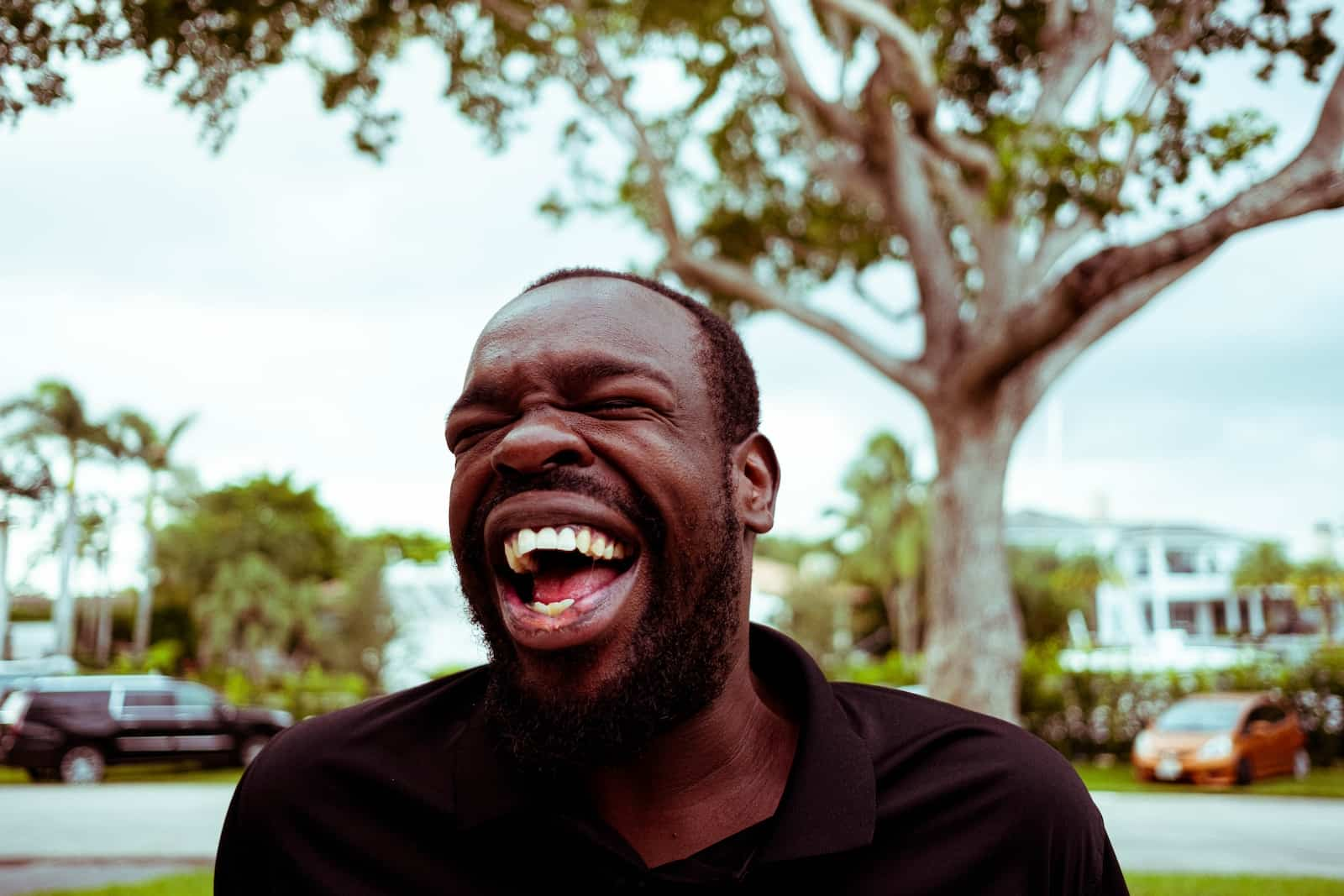
To move from reaction to response, start by becoming more aware of your emotional triggers and patterns. Practice mindfulness techniques like taking deep breaths and observing your thoughts without judgment. When you notice an emotional surge, pause and ask yourself why you’re feeling that way. This helps you respond thoughtfully instead of impulsively. Developing this habit takes time, but with consistent practice, you’ll gain greater self-control and clarity in challenging situations. Keep exploring to learn more about strengthening your emotional responses.

Turn your wind-down time into listening time
- Thousands of audiobooks, podcasts and originals
- Listen on your phone, tablet or Echo — also offline
- Cancel anytime
Key Takeaways
- Practice mindfulness to become aware of emotional triggers before reacting impulsively.
- Pause and take deep breaths to create space between stimulus and response.
- Ask yourself why you’re feeling a certain way to understand the root cause of your reaction.
- Develop personalized strategies and responses aligned with your values and goals.
- Regularly reflect on past reactions to learn and improve your emotional response patterns.

When you find yourself reacting emotionally to a situation, it’s easy to feel overwhelmed or impulsive. These moments often lead to regrets or misunderstandings that could have been avoided with a bit more clarity. Developing emotional intelligence plays a crucial role here. It involves recognizing your feelings as they arise, understanding their roots, and managing them effectively. Instead of letting your emotions dictate your actions, you can learn to pause and assess the situation more objectively. This awareness helps you respond thoughtfully rather than impulsively, fostering healthier interactions and better decision-making.
Recognize and manage your emotions to respond thoughtfully, enhancing interactions and making better decisions.
One of the most effective ways to cultivate this emotional awareness is through mindfulness techniques. These practices teach you to stay present and grounded in the moment, which is essential when emotions threaten to take over. When you notice a surge of anger, frustration, or anxiety, instead of reacting immediately, take a conscious breath or two. Focus on your breath, feeling it enter and leave your body. This simple act shifts your attention away from the emotional storm and back to the present, creating space for a more measured response.
Mindfulness also involves observing your thoughts and feelings without judgment. Rather than labeling your emotions as good or bad, acknowledge them as temporary states. This perspective reduces their intensity and prevents you from becoming overwhelmed. For instance, if someone criticizes you and you feel anger rising, recognize that anger without immediately reacting. Ask yourself why you’re feeling this way and whether reacting impulsively will serve your best interests. This pause is key to moving from reaction to response, giving you control over your actions. Additionally, understanding body jewelry measurements and materials can serve as a metaphor for the importance of choosing the right tools and approaches for managing your emotional responses effectively. Recognizing emotional triggers and their patterns can help you anticipate and prepare for challenging moments. Incorporating elements of quality and durability, as seen in insulated jackets and camera backpacks, can serve as a reminder to select resilient strategies for emotional regulation. Being aware of your emotional vulnerabilities can help you develop a personalized plan for handling stressful situations more effectively. This pause is key to moving from reaction to response, giving you control over your actions.
Building emotional intelligence and practicing mindfulness regularly can significantly improve your ability to respond thoughtfully. Over time, you’ll notice a shift from knee-jerk reactions to more deliberate, calm responses. You’ll become better at reading situations, understanding your emotional triggers, and choosing responses that align with your values and goals. Remember, the goal isn’t to suppress your feelings but to manage them wisely. By integrating mindfulness techniques into your daily routine, you develop resilience and a stronger sense of self-control, enabling you to navigate challenging situations with clarity and compassion.
As an affiliate, we earn on qualifying purchases.
Frequently Asked Questions
How Can I Recognize When I Am Reacting Instead of Responding?
You can recognize you’re reacting when your impulses take over, often leading to quick, emotional responses. To improve, develop your impulse control and emotional awareness—pause before acting. Notice physical signs like increased heart rate or tension, which signal a reaction. Ask yourself if you’re responding thoughtfully or just reacting emotionally. With practice, you’ll become more aware of these cues, helping you choose responses over reactions consistently.
What Initial Steps Can I Take to Pause Before Reacting?
You can start by practicing mindfulness training, which helps increase emotional awareness. For example, imagine you’re in a heated meeting and feel your face flush. Instead of reacting, take a deep breath, count to three silently, and observe your feelings without judgment. This pause allows you to choose a thoughtful response instead of an impulsive reaction. Regular mindfulness exercises make this process easier and more natural over time.
Are There Specific Techniques to Improve Emotional Regulation?
To improve emotional regulation, focus on building emotional awareness and practicing stress management techniques. You can start by recognizing your emotional triggers and labeling your feelings accurately. Incorporate deep breathing, mindfulness, or progressive muscle relaxation to manage stress effectively. These methods help you stay calm and centered, enabling you to respond thoughtfully rather than react impulsively. Consistently applying these strategies enhances your emotional control over time.
How Does Mindfulness Help in Shifting From Reaction to Response?
Imagine your emotions as stormy clouds on the horizon. Mindfulness training acts like a steady lighthouse, guiding you through the storm. It sharpens your emotional awareness, making you notice signals before they turn into storms. With practice, you learn to pause and observe your feelings, rather than getting swept away. This shift from reaction to response helps you navigate challenges calmly, turning turbulence into a peaceful harbor of thoughtful action.
Can Response Techniques Be Applied in High-Stress Situations?
Yes, response techniques can be effectively applied in high-stress situations. In crisis management, staying calm and choosing deliberate actions helps you reduce stress and avoid impulsive reactions. Techniques like deep breathing, pausing before reacting, and focusing on solutions enable you to maintain control. By practicing these skills regularly, you develop resilience, making it easier to respond thoughtfully, even under pressure, ensuring better outcomes and less emotional turmoil.
As an affiliate, we earn on qualifying purchases.
Conclusion
By shifting from reaction to response, you unleash the incredible power to control your destiny. Instead of letting emotions run wild like a hurricane, you become the steady captain steering your ship through turbulent waters. With practice, you’ll find your reactions shrinking to mere ripples while your responses create waves of positive change. Remember, mastering this skill isn’t just important—it’s the difference between being a passenger in your life or its fearless driver. Keep practicing, and watch your world transform dramatically!
As an affiliate, we earn on qualifying purchases.
stress relief adult coloring book
As an affiliate, we earn on qualifying purchases.
As an affiliate, we earn on qualifying purchases.
Fall Picks
fall essentials
As an affiliate, we earn on qualifying purchases.