
TL;DR

Turn your wind-down time into listening time
- Thousands of audiobooks, podcasts and originals
- Listen on your phone, tablet or Echo — also offline
- Cancel anytime
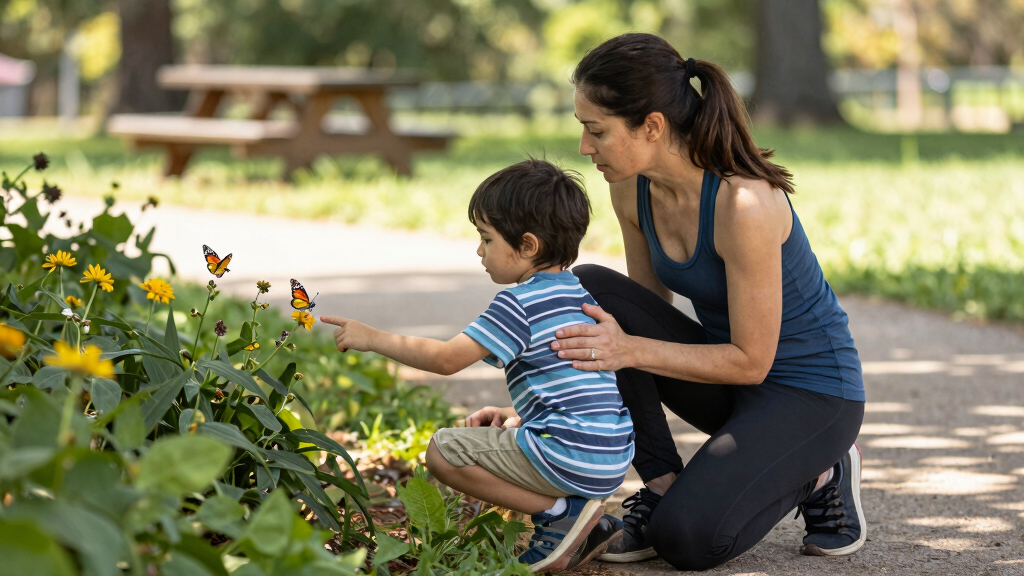
Parents can raise civically engaged children by modeling core values and encouraging agency, rather than imposing policies or beliefs. This approach helps children develop a sense of responsibility and critical thinking.
Parents can foster civic engagement in children by modeling core values and encouraging agency, rather than instructing them on specific policies or beliefs, according to recent expert guidance.
Sara Goldstein highlights that raising civically engaged children begins with what they already understand—fairness, kindness, and the golden rule—and gradually expands to broader societal concepts. Leah Greenberg, co-founder of Indivisible, emphasizes that parents should focus on modeling values such as kindness and sharing, rather than pushing specific policies. She notes that children are perceptive and can detect hypocrisy, so authenticity is key. Greenberg also explains that discussing protest and civic participation with children is straightforward because they are already familiar with concepts like non-cooperation. When addressing scary news, she advocates for emotional honesty tailored to the child’s age, rather than shielding them completely.
Why It Matters
This approach matters because it helps develop children’s critical thinking, responsibility, and civic awareness without imposing adult biases. It supports fostering a generation capable of meaningful participation in society, which is especially relevant amid current political and social tensions.
children's books on kindness and fairness
As an affiliate, we earn on qualifying purchases.
As an affiliate, we earn on qualifying purchases.
Background
The advice draws on recent parenting insights and social movements, emphasizing that civic values are best nurtured through everyday actions and modeling. The focus on early childhood development and age-appropriate conversations reflects ongoing discussions in education and parenting communities about fostering engaged, thoughtful citizens.
“The difference between teaching kids what to think and teaching them how to show up is crucial.”
— Sara Goldstein
“Kids are really good bullshit detectors. If you’re saying a set of values and not living them, they notice fast.”
— Leah Greenberg
“Talking about protest is simpler than it seems—kids understand the core idea: upset, gather, act.”
— Leah Greenberg
civic engagement activity kits for kids
As an affiliate, we earn on qualifying purchases.
As an affiliate, we earn on qualifying purchases.
What Remains Unclear
It is not yet clear how these strategies will impact children’s civic engagement in the long term or how they can be adapted for different cultural or socio-economic contexts.
age-appropriate discussion cards about civic values
As an affiliate, we earn on qualifying purchases.
As an affiliate, we earn on qualifying purchases.
What’s Next
Experts suggest that parents should continue practicing authentic modeling of values and engaging children in age-appropriate civic activities. Future research may explore the long-term effects of this approach on civic participation.
As an affiliate, we earn on qualifying purchases.
Key Questions
At what age should I start talking to my child about civic values?
According to Greenberg, even toddlers are aware of fairness and kindness, so early conversations about these values can be beneficial and developmentally appropriate.
How do I discuss scary news with my children without overwhelming them?
Greenberg recommends honesty tailored to the child’s age, focusing on basic principles like fairness and community, rather than overloading them with details.
Can modeling values really influence a child’s civic engagement?
Yes, research and expert opinion suggest that children are observant and tend to imitate the behaviors and values they see modeled by adults.
What if my child disagrees with my values?
Encouraging open dialogue and demonstrating respect for different perspectives can help children develop their own critical thinking and civic understanding.
Source: Motherly · Wellness
Fall Picks
fall essentials
As an affiliate, we earn on qualifying purchases.