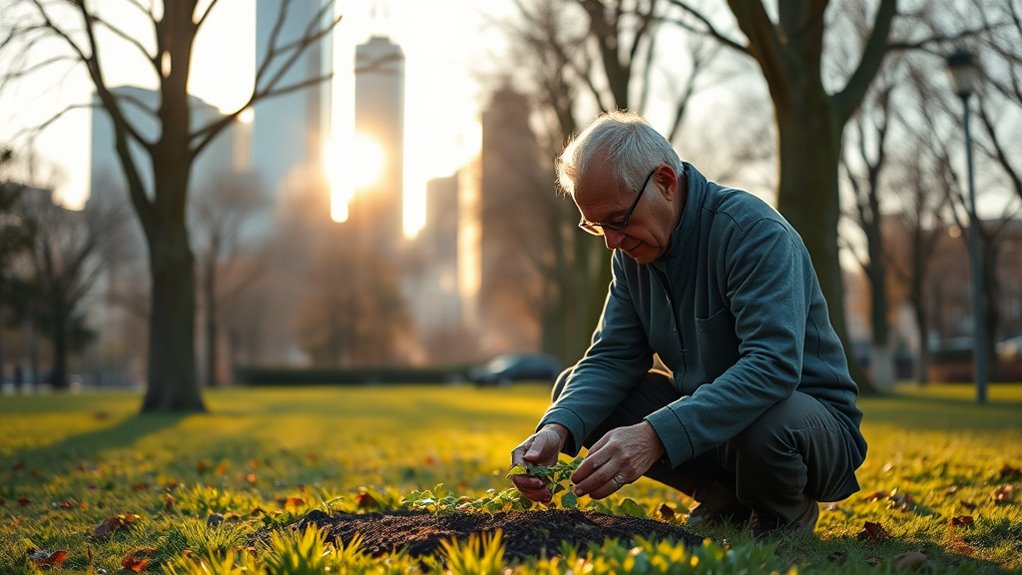

In today’s fast-paced world, developing patience can help you stay calm, make better decisions, and enjoy life more fully. Practicing mindfulness allows you to observe your thoughts without reacting impulsively, making waiting less stressful. Embracing delayed gratification helps you focus on long-term goals rather than short-term rewards. Remember, setbacks are part of growth, and viewing them as opportunities builds resilience. Keep exploring how patience can transform your life step by step.
Key Takeaways
- Practice mindfulness to observe thoughts and feelings without immediate reactions, fostering calmness and patience.
- Embrace delayed gratification by focusing on long-term goals over short-term rewards.
- Reframe setbacks as opportunities for growth through mindful reflection and resilience.
- Incorporate deep breathing and pausing techniques to manage impatience during delays.
- Cultivate emotional stability and well-being to better handle life’s fast-paced demands.

Patience is a vital skill that can considerably improve your life, yet it often feels elusive in a fast-paced world. With everything moving so quickly—instant messages, on-demand services, rapid results—waiting can seem like a wasted effort. However, developing patience isn’t about simply forcing yourself to wait; it’s about cultivating a mindset that values calmness and understanding over immediate gratification. One effective way to do this is through mindfulness practice. When you engage in mindfulness, you learn to observe your thoughts and feelings without rushing to change or escape them. This awareness helps you recognize urges to seek quick solutions or impulsive reactions, giving you the space to choose a more deliberate response. Over time, mindfulness becomes a powerful tool to extend your patience, making waiting less stressful and more manageable. It encourages you to appreciate the present moment, rather than constantly striving for the next thing, which is often the root of impatience. Additionally, understanding the importance of anime culture and storytelling can inspire patience by appreciating the depth and effort behind creative works.
Another key aspect of developing patience is embracing delayed gratification. In our instant-everything culture, resisting the temptation of immediate rewards can be challenging. Yet, delaying gratification trains your mind to value long-term benefits over short-term pleasures. For example, instead of reaching for quick fixes or instant entertainment, you might focus on working towards a bigger goal, like saving money or building a skill. This practice requires discipline, but it also rewires your brain to find satisfaction in delayed success. When you consistently practice delayed gratification, you begin to see patience as a strength rather than a burden. It becomes easier to stay committed when you understand that the most meaningful achievements often require time and persistence. Over time, this mindset shift helps you become more resilient and less prone to frustration when things don’t happen right away.
Building patience also involves recognizing that setbacks and delays are natural parts of life. By adopting a mindset grounded in mindfulness practice and delayed gratification, you start viewing obstacles as opportunities for growth rather than frustrations. When you notice your impatience rising, pause and breathe deeply; remind yourself that good things often take time. Instead of rushing or becoming irritated, accept that patience is a skill that develops gradually. As you continue practicing these habits, you’ll find yourself more composed, more focused, and better equipped to handle life’s inevitable delays. Ultimately, patience isn’t about passivity; it’s about actively choosing a calmer, more thoughtful approach to life’s challenges. With consistent effort, you’ll discover that patience not only improves your well-being but also enhances your relationships, decision-making, and overall satisfaction with life.
Frequently Asked Questions
How Can I Stay Patient During Unexpected Delays?
When faced with unexpected delays, stay patient by practicing emotional resilience. Take deep breaths, acknowledge your feelings, and remind yourself delays are temporary. Use good time management to stay flexible, adjusting your schedule if needed. Focus on what you can control, and keep a positive mindset. This helps you remain calm, reduces frustration, and builds patience over time, even in unpredictable situations.
What Are Quick Techniques to Improve Patience Daily?
Think of patience as a muscle that needs daily workouts. To strengthen it, try quick mindfulness exercises like deep breathing or focused attention for a few minutes. Incorporate daily patience tips such as pausing before reacting and setting realistic expectations. These small, intentional actions act like gentle rain nurturing your patience garden, helping you stay calm and composed even amid life’s rapid pace.
How Does Technology Impact Our Patience Levels?
Technology impacts your patience levels by fueling digital distraction and promoting instant gratification. When you’re constantly connected, you expect quick responses and immediate results, which shortens your tolerance for delays. This environment makes it harder to wait and develop patience, as you become accustomed to getting what you want instantly. To improve, try disconnecting regularly and practicing mindfulness to reduce reliance on technology’s instant rewards.
Can Patience Be Learned or Is It Innate?
Patience is like a muscle that you can train, so it’s more learned than innate. While some people might naturally be more patient, you can develop patience through practice and mindful actions. By consciously slowing down and setting realistic expectations, you strengthen your ability to remain calm under pressure. Over time, patience becomes a skill you carry with you, turning fleeting moments of frustration into opportunities for growth.
What Role Does Mindfulness Play in Developing Patience?
Mindfulness plays a vital role in developing patience by helping you stay present and aware of your emotions. Through mindfulness meditation, you cultivate present awareness, allowing you to pause before reacting impulsively. This practice trains you to observe your thoughts and feelings without judgment, making it easier to remain calm and patient during stressful moments. Over time, mindfulness strengthens your ability to handle delays and frustrations with greater composure.
Conclusion
So, next time life’s pace pushes you to the edge, remember—patience isn’t just about waiting. It’s about what you discover in the quiet moments between the chaos. Will you let the rush control you or choose to embrace the stillness? The secret lies in your hands. The question is: are you ready to open a calmer, more centered you? The journey begins now—are you willing to take the first step?