When you want to slow down, start by noticing your body’s signals, like muscle tension or shallow breathing, which often indicate stress. Pay attention to your energy levels—if you feel drained or overstimulated, it’s a sign to pause. Observe your mental state, such as racing thoughts or mental clutter, and recognize any external distractions around you. Tuning into these cues helps you reset and creates calm. Keep exploring for tips on how to deepen this awareness and find more balance.
Key Takeaways
- Start by noticing muscle tension or relaxation to identify physical signs of stress.
- Observe your breathing pattern for shallow or steady breaths indicating your current state.
- Recognize mental clutter or racing thoughts that signal mental overwhelm.
- Check your energy levels for signs of overstimulation or fatigue needing adjustment.
- Assess your environment for noise, clutter, or distractions that hinder slowing down.

When you feel overwhelmed or constantly rushing, the first step to slowing down is paying close attention to your body’s signals. Your body offers subtle hints that you’re pushing too hard or moving too fast. Notice how your muscles feel—are they tense or relaxed? Is your breathing shallow or steady? These signals are your body’s way of telling you to pause and reset. Mindful breathing is especially effective here; by taking slow, deliberate breaths, you can ground yourself in the present moment. Focus on inhaling deeply through your nose, feeling your chest expand, then exhaling fully. This simple practice helps slow your heart rate, reduces stress, and brings clarity to your mind.
Pay attention to your body’s signals—notice tension, breathing, and relaxation to help you pause, reset, and stay present.
Next, observe your energy levels. Do you feel drained or overly stimulated? When your energy dips, it’s a clear sign that you need to slow down and recharge. Conversely, if you’re buzzing with excess energy, it might mean you’ve been overextending yourself. Recognizing these fluctuations allows you to adjust accordingly. Pausing to check in with your energy levels helps you avoid burnout and overcommitment. Sometimes, a brief break—whether it’s stretching, a quick walk, or a few moments of mindful breathing—can restore your balance. When you tune into your energy, you become more aware of when to push forward and when to ease up.
It’s also important to notice your mental state. Are your thoughts racing or fixated on worries? Is your mind cluttered with tasks and deadlines? When you become aware of mental chatter, you can gently direct your focus back to your body and breath. This mindfulness supports slowing down because it shifts your attention from external pressures or internal stress to the present moment. As you practice, you’ll find it easier to recognize the signs of mental overwhelm early on, giving you the chance to incorporate calming activities before stress escalates. Additionally, paying attention to your mental and emotional health can help you develop resilience and better manage stress.
Finally, pay attention to your physical environment. Cluttered spaces, noisy surroundings, or constant notifications can contribute to feeling rushed and overwhelmed. By noticing these external cues, you can create a calmer environment that encourages slowing down. Simple adjustments—such as decluttering your workspace or turning off notifications—can make a significant difference. When you align your environment with your intention to slow down, you support your body and mind in maintaining balance.
In the end, slowing down begins with awareness. By tuning into your body’s signals through mindful breathing, observing your energy levels, and noticing mental and environmental cues, you set the foundation for a more mindful, calmer pace of life.

Mindsight 'Breathing Buddha' Guided Visual Meditation | 3 Modes to Slow Your Breathing & Calm Your Mind | Stress & Anxiety Relief | Wellness Gift | Adults, Kids, Classrooms | USB Rechargeable
🧠 SLOW-IT-DOWN SLOTH: Daily guided breathing to help calm & focus your mind during the day or promote…
As an affiliate, we earn on qualifying purchases.
As an affiliate, we earn on qualifying purchases.
Frequently Asked Questions
How Do I Recognize When I Really Need to Slow Down?
You’ll notice signs like persistent fatigue, difficulty concentrating, or feeling overwhelmed, signaling you need to slow down. Pay attention to your energy levels and practice mindful awareness—check in with your body and mind regularly. If you feel drained or anxious, it’s a clear cue that you should pause, relax, and prioritize self-care. Recognizing these signals early helps prevent burnout and keeps you balanced.
Can Slowing Down Improve My Mental Health Immediately?
Slowing down can immediately boost your mental health by reducing stress and increasing mindfulness practices. When you take a moment to pause, breathe, and focus on the present, you activate your relaxation response. This stress reduction helps clear your mind, improves mood, and enhances overall well-being. Although long-term benefits come with consistent practice, even brief pauses can provide immediate relief and mental clarity, making a noticeable difference in how you feel.
What Are Quick Signs of Burnout I Should Watch For?
Think of burnout like a car engine overheating—you notice quick signs fast. You might feel constant fatigue, irritability, or difficulty concentrating. Your energy levels drop sharply, and stress management feels overwhelming. You may also experience physical symptoms like headaches or muscle tension. Staying alert to these signs helps you catch burnout early, so you can slow down, prioritize self-care, and prevent exhaustion from taking over your mental and physical well-being.
How Does Slowing Down Affect My Productivity?
Slowing down boosts your productivity by improving your focus and decision-making. When you take time to pause, you manage your time better and avoid burnout. Stress reduction becomes easier, helping you approach tasks with clarity and energy. This mindful approach allows you to prioritize effectively, reducing errors and increasing efficiency. Ultimately, slowing down isn’t a setback; it’s a strategic move to enhance your overall performance and sustain long-term productivity.
Should I Inform Others Before I Start Slowing Down?
Yes, you should inform others before slowing down. Respecting social boundaries and personal boundaries helps prevent misunderstandings. When you communicate your intentions clearly, people appreciate your honesty and can adjust their expectations accordingly. This openness fosters trust and guarantees your slowing down is respected without causing confusion or frustration. It’s a considerate step that helps maintain healthy relationships while you take the time you need to pause or slow your pace.

Ranarose Deep Tissue Back & Neck Massager – Back Massager Stick for Pain Relief, Muscle Knot Remover, Trigger Point Massage Tool for Full Body, Shoulders, Legs – Pressure Point Massage Tool (Black)
Trigger Point Massage Tool for Pain Relief – Our massage hook puts a full body massage in the…
As an affiliate, we earn on qualifying purchases.
As an affiliate, we earn on qualifying purchases.
Conclusion
Remember, sometimes you need to hit pause before you can move forward. When you aim to slow down, notice your breath and your body first—these are your anchors. Don’t rush the process; instead, embrace the journey of stillness. As the saying goes, “Haste makes waste.” Slowing down isn’t a sign of weakness but of wisdom. Trust yourself, take that first gentle step, and let the calm guide you to clarity.
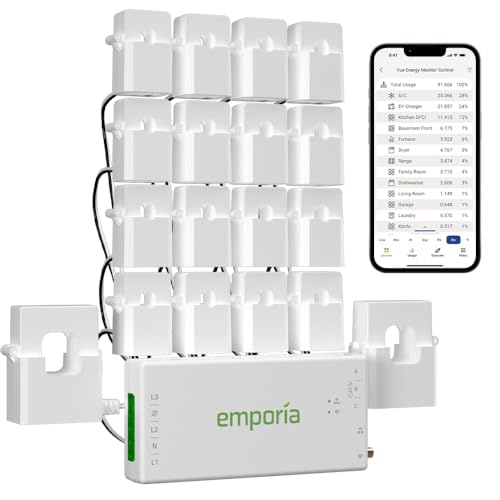
Emporia Vue 3 Home Energy Monitor – Smart Home Automation Module and Real Time Electricity Usage Monitor, Power Consumption Meter, Solar and Net Metering for UL Certified Safe Energy Monitoring
SAFETY YOU CAN TRUST WITH UL CERTIFICATION: With Emporia Energy, your home energy monitoring is safe, reliable, and…
As an affiliate, we earn on qualifying purchases.
As an affiliate, we earn on qualifying purchases.

Soundcore by Anker Q20i Hybrid Active Noise Cancelling Headphones, Wireless Over-Ear Bluetooth, 40H Long ANC Playtime, Hi-Res Audio, Big Bass, Customize via an App, Transparency Mode (Black)
Hybrid Active Noise Cancelling: 2 internal and 2 external mics work in tandem to detect external noise and…
As an affiliate, we earn on qualifying purchases.
As an affiliate, we earn on qualifying purchases.