

Practicing present-moment awareness helps you fully experience life, reducing stress and emotional reactivity. By anchoring your focus on your breath, sensations, or surroundings, you improve mental clarity and stay grounded amid distractions. Developing this habit can enhance your relationships, boost creativity, and foster resilience. Incorporating simple mindfulness exercises into daily routines gradually rewires your brain to stay more present. If you’re curious about ways to deepen this practice, keep exploring how to cultivate awareness in everyday life.
Key Takeaways
- Present-moment awareness enhances mental clarity, emotional resilience, and overall well-being.
- It reduces stress and emotional reactivity by anchoring attention in the here and now.
- Regular mindfulness practice trains focus and turns routine activities into opportunities for awareness.
- Being present improves relationships through attentive listening and genuine responses.
- Cultivating awareness fosters appreciation for fleeting moments and life’s simple pleasures.

Have you ever noticed how much of your day slips by while your mind races ahead or lingers on the past? It’s easy to get caught up in worries about tomorrow or regrets about yesterday, but doing so keeps you distant from the present moment. That’s where the power of present-moment awareness comes in. By intentionally anchoring yourself in the here and now, you can experience life more fully, reduce stress, and gain clarity. The foundation of this practice is rooted in mindfulness practices and meditation techniques that train your mind to focus on what’s happening right now, rather than what has been or what might be.
Mindfulness practices are simple yet powerful tools you can incorporate into your daily routine. They involve paying close attention to your breath, sensations, or surroundings without judgment. For example, you might focus on the feeling of the air entering and leaving your lungs or notice the texture of the chair beneath you during a meeting. These small acts of paying attention make it easier to stay grounded amidst the chaos of everyday life. Meditation techniques further deepen this awareness by helping you cultivate a sense of calm and concentration. Whether it’s guided meditation, focusing on a mantra, or body scans, these methods train your mind to stay present, rather than wandering into distraction or rumination.
When you practice mindfulness regularly, you start noticing how often your thoughts drift away from the present moment. Instead of fighting those distractions, you learn to gently bring your attention back with compassion. Over time, this helps create a mental habit of staying present, which can profoundly improve your emotional resilience and overall well-being. You’ll find that even during mundane activities like washing dishes or walking, you can turn these moments into opportunities for mindfulness. This shift in perspective transforms routine chores into moments of meditation, where you fully engage with what you’re doing. Incorporating mindfulness apps can support your ongoing practice and help establish consistency.
The benefits extend beyond mental clarity. Present-moment awareness can enhance your relationships, boost creativity, and improve your ability to handle stress. When you’re truly present, you listen more attentively, respond more thoughtfully, and experience a richer sense of connection. The key is consistency—by dedicating a few minutes each day to mindfulness practices or meditation techniques, you build a habit that gradually rewires your brain for greater awareness. The more you practice, the more natural it becomes to stay anchored in the now, revealing a deeper appreciation for life’s simple, fleeting moments.

Sacred Moment: Guided Meditation for Stress Reduction, finding your present moment awareness
As an affiliate, we earn on qualifying purchases.
As an affiliate, we earn on qualifying purchases.
Frequently Asked Questions
How Does Mindfulness Differ From Meditation?
Mindfulness is about maintaining awareness in everyday life through practices like mindful breathing and sensory observation, while meditation often involves focused, intentional practice to cultivate this awareness. You actively engage in observing your breath or surroundings during mindfulness, staying present in the moment. Meditation usually provides a dedicated time to deepen this focus, making mindfulness a broader, ongoing approach and meditation a specific method to strengthen that skill.
Can Present-Moment Awareness Reduce Stress Instantly?
Yes, present-moment awareness can offer instant relief from stress. When you focus fully on your current experience—your breath, sensations, or surroundings—you shift attention away from worries and racing thoughts that cause stress. This mindful practice activates your relaxation response, helping you achieve immediate stress reduction. By staying present, you regain control, calm your nervous system, and feel more centered, making stress easier to manage in the moment.
Is It Possible to Practice Awareness During Sleep?
Yes, you can practice awareness during sleep through dream awareness and sleep mindfulness. By setting intentions before sleep, you may become more conscious during dreams, recognizing them as dreams. This practice helps you stay present even in your subconscious state. Over time, you’ll develop greater control and clarity during sleep, allowing you to observe your thoughts and feelings without judgment, enhancing overall mindfulness and self-awareness.
What Are Common Challenges Beginners Face in Mindfulness?
Ever felt like your mind is a restless monkey, jumping from thought to thought? That’s a common mindfulness obstacle for beginners. You might struggle with focus, impatience, or self-criticism, making it hard to stay present. These beginner struggles are natural. Remember, progress takes patience. Keep practicing gently, and over time, your mind will settle, revealing the true calm and clarity mindfulness promises.
How Long Does It Take to See Benefits From Practicing Awareness?
You might notice some immediate effects of practicing awareness within a few days, like feeling calmer or more focused. However, timeframe expectations vary; some benefits, like reduced stress and increased clarity, often develop over weeks or months. Consistency is key, so keep practicing regularly. With patience, you’ll see ongoing improvements in your mental well-being, making the journey worth the effort.

Mindfulness & Guided Sleep Meditation
- Enhances focus through meditation: Meditation to improve focus
- Mindfulness and sleep videos: Videos on mindfulness training and sleep exercises
- Reduces stress and anxiety: Meditations to relieve stress and anxiety
As an affiliate, we earn on qualifying purchases.
As an affiliate, we earn on qualifying purchases.
Conclusion
As you embrace present-moment awareness, imagine yourself as a steady lighthouse amid swirling storms. The light represents your focus, cutting through chaos and guiding you safely through life’s uncertainties. When you stay anchored in the now, you become the beacon that illuminates clarity, peace, and purpose. Remember, it’s in this moment—like the lighthouse’s unwavering beam—that you find your true strength and direction, guiding your life with steady grace.
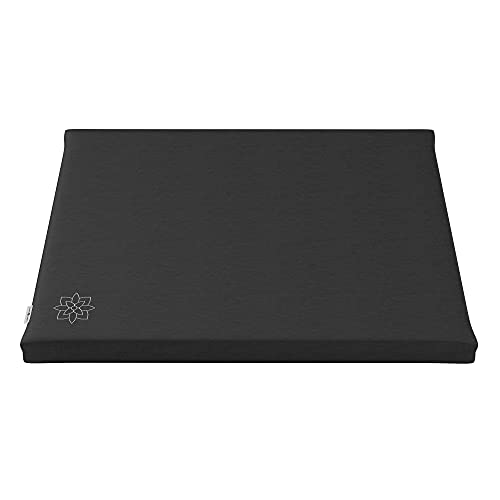
Mindful Modern Zabuton Meditation Mat – Cotton Filled Yoga and Meditation Pad – Zabuton Meditation Cushion for Kneeling and Sitting Support – Large Rectangular Sitting Floor Pillow for Bench or Zafu
- Posture Support: Relieves pressure on knees and ankles
- Natural Materials: 100% cotton filling and cover
- Easy to Maintain: Removable, washable cover
As an affiliate, we earn on qualifying purchases.
As an affiliate, we earn on qualifying purchases.

As an affiliate, we earn on qualifying purchases.