
Metta meditation helps you cultivate loving-kindness by focusing on intentions that promote warmth and goodwill toward yourself and others. You can strengthen emotional resilience and reduce stress by grounding your practice with mindful breathing, which keeps you present and aware of your feelings without judgment. As you extend compassion outward—from yourself to loved ones and all beings—you build a greater sense of connection and inner peace. Keep exploring to discover more ways this practice can enhance your life.
Key Takeaways
- Metta meditation develops loving-kindness towards oneself and others, fostering warmth and goodwill.
- Grounded techniques like mindful breathing deepen the practice and enhance emotional resilience.
- Extending loving-kindness outward promotes interconnectedness and dissolves feelings of judgment or separation.
- Regular practice strengthens emotional resilience, helping respond with kindness during challenges.
- Combining focus and intention transforms mindset, promoting peace, compassion, and a positive outlook on life.
Have you ever wondered how cultivating compassion can transform your outlook on life? One powerful way to do this is through metta meditation, a practice focused on developing loving-kindness toward yourself and others. At its core, metta meditation encourages you to foster feelings of warmth and goodwill, creating a ripple effect that can positively influence your mindset. When you begin practicing, you’ll notice that grounded techniques like mindful breathing serve as the foundation for deepening your experience. By paying close attention to your breath, you anchor yourself in the present moment, which helps quiet mental chatter and reduces stress. This intentional focus on mindful breathing also enhances emotional resilience, allowing you to better handle life’s challenges with patience and understanding.
Incorporating mindful breathing into your metta practice isn’t just about calming the mind—it’s about cultivating a sense of stability that supports emotional resilience. When you breathe mindfully, you become more aware of your emotional responses, learning to observe them without immediate judgment. This awareness helps you recognize feelings of anger, frustration, or sadness as transient states, rather than fixed traits. As a result, you become more adaptable, able to respond with kindness rather than reactivity. This emotional resilience doesn’t develop overnight; it’s strengthened through consistent practice, which gradually builds your capacity to face difficulties with compassion and clarity. Additionally, understanding the importance of mental health in meditation can motivate sustained practice and deepen its benefits.
As you progress in your practice, you’ll find that extending loving-kindness begins with yourself. You might silently repeat phrases like “May I be happy, may I be safe,” directing these intentions inward. Over time, your focus extends outward—first to loved ones, then to acquaintances, and eventually to all beings. This expansion nurtures a universal sense of compassion that permeates your daily interactions. The act of intentionally wishing well for others helps dissolve boundaries of judgment and separation, fostering a genuine sense of interconnectedness.
Throughout your metta meditation, the combination of mindful breathing and focused intention deepens your capacity for compassion. You learn to remain present with your feelings, no matter how uncomfortable, and to respond with kindness rather than defensiveness. This process not only supports emotional resilience but also enriches your relationships and overall outlook. As you cultivate loving-kindness, you’ll find that life becomes more manageable, more meaningful, and infused with a gentle sense of connection. It’s a practice that transforms not just your mind, but your entire approach to living with compassion and peace.
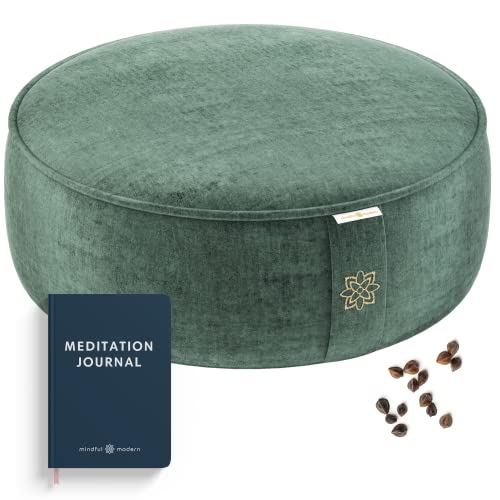
Mindful & Modern Velvet Meditation Cushion | Luxe Zafu Yoga Floor Pillow Seat | Posture Support | Buckwheat Hull Filled | Large Round Cushion with Removable Washable Cover + Carry Handle | Color Green
PROPER POSTURE AND SPINAL HEALTH – Our large luxurious velvety pillows are designed to ergonomically support your spine…
As an affiliate, we earn on qualifying purchases.
As an affiliate, we earn on qualifying purchases.
Frequently Asked Questions
Can Metta Meditation Help With Anger Management?
Yes, metta meditation can help with anger management by improving your emotional resilience through mindfulness exercises. When you practice loving-kindness, you learn to acknowledge your feelings without judgment, which reduces impulsive reactions. Over time, this cultivates a calmer, more compassionate mindset, allowing you to handle anger more effectively. Regular practice strengthens your ability to stay centered and fosters a deeper sense of peace and understanding.
How Long Should I Practice Metta Each Day?
You should practice metta meditation for about 10 to 20 minutes daily, following duration guidelines that suit your schedule and comfort level. Incorporate it into your daily routine consistently, as even short, regular sessions can boost your emotional well-being. Focus on cultivating loving-kindness during each session, and over time, you’ll notice greater compassion and reduced stress in your life.
Is Metta Meditation Suitable for Children?
Yes, metta meditation is suitable for children. You can adapt it with child-friendly techniques, like simple language and engaging activities. For metta for kids, focus on easy expressions of kindness, such as wishing happiness or health to loved ones and themselves. Keep sessions short and playful, encouraging kids to imagine loving-kindness flowing outward. This helps them develop empathy, compassion, and emotional well-being in a fun, accessible way.
Can Metta Meditation Improve Relationships Instantly?
Like planting a seed, metta meditation can begin improving your relationships, but it’s not an instant fix. You might notice small shifts in mindful communication and emotional resilience over time. When you practice regularly, you develop more empathy and patience, which naturally enhances your connections. While it won’t change everything overnight, consistent loving-kindness can create a ripple effect, making your relationships stronger and more compassionate.
Are There Any Contraindications for Practicing Metta?
You should be cautious if practicing metta meditation impacts your emotional safety or mental health. If recalling certain feelings causes distress or worsens anxiety, it’s best to pause and consult a mental health professional. While generally beneficial, some individuals might find it challenging to cultivate loving-kindness due to personal trauma or emotional vulnerabilities. Prioritize your well-being, and adapt the practice accordingly to ensure it supports rather than hinders your mental health.

LED Adjustable Meditation Timer Hourglass with 1-99 Minutes preset | Pomodoro Technology Visual Hourglass and Productivity Silence Kids/Adult Time Management Tool | ADHD Dining Table Timer and Focus
Adjustable visual timer, 1-99 minutes preset:The cube's timer provides quick selection of presets (1-99 minutes) for Pomodoro, Speed…
As an affiliate, we earn on qualifying purchases.
As an affiliate, we earn on qualifying purchases.
Conclusion
Practicing metta meditation is like planting seeds of kindness that blossom within you. As you regularly cultivate loving-kindness, you’ll notice your heart opening, much like a flower unfurling its petals in the sunlight. Keep this practice alive in your daily life, and you’ll find compassion and peace growing steadily. Just as a gentle stream nourishes everything in its path, your kindness can ripple outward, creating harmony both within and around you.

Metta Meditation
As an affiliate, we earn on qualifying purchases.
As an affiliate, we earn on qualifying purchases.

Mind Brain Emotion 52 Essential Coping Skills Cards – Self Care Exercises for Stress and Social Anxiety Relief – Resilience, Emotional Agility, Confidence Therapy Games for Teens, Adults
Build skills, reduce stress: Powerful CBT, meditation, and somatic exercises to become organized, focused, confident. Overcome anxiety, anger,…
As an affiliate, we earn on qualifying purchases.
As an affiliate, we earn on qualifying purchases.