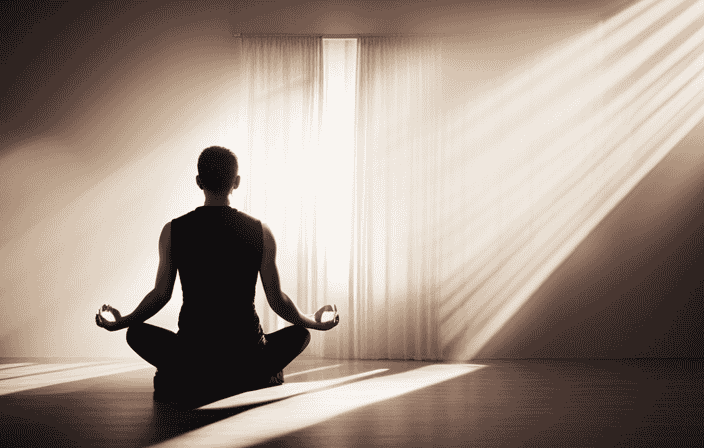
Meditation for emotional healing helps you stay present and observe your thoughts and feelings without judgment, creating space between yourself and emotions that weigh you down. By practicing regularly, you can build resilience to setbacks, respond calmly to triggers, and develop self-compassion. Incorporating sound vibrations and cultivating a safe mental space supports your journey toward inner peace. If you explore further, you’ll discover even more ways to harness meditation for lasting emotional well-being.

Get self-care and calm essentials delivered free — and shop member deals
- Fast, free delivery on millions of items
- Access to Prime Big Deal Days deals on October 6–7
- Prime Video, Amazon Music and more included
Key Takeaways
- Practice mindfulness to observe and accept emotions without judgment, creating mental space for healing.
- Use self-compassion techniques to foster kindness and acceptance during emotional challenges.
- Incorporate sound vibrations to enhance cellular regeneration and deepen emotional resilience.
- Dedicate regular meditation to build emotional resilience and respond calmly to triggers.
- Create a safe mental space through meditation to process feelings constructively and promote inner peace.

Have you ever wondered how meditation can help heal emotional wounds? It’s a powerful tool that allows you to connect with your inner self and process feelings that may be difficult to face. One of the key ways meditation aids emotional healing is through mindfulness techniques. These practices teach you to stay present in the moment, observing your thoughts and feelings without judgment. When you’re mindful, you create space between yourself and your emotions, which helps prevent you from becoming overwhelmed or reactive. Instead of avoiding painful feelings, you learn to acknowledge them with compassion, reducing their intensity over time. This approach gradually rewires your response to emotional distress, making you more resilient.
Practicing mindfulness techniques regularly builds emotional resilience—the ability to bounce back from setbacks and handle stress more effectively. As you become more aware of your emotional patterns through meditation, you start recognizing triggers before they escalate. You learn to respond with calmness and clarity rather than impulsiveness. This shift in perspective can be transformative; it allows you to face difficult emotions with a sense of control rather than feeling helpless or consumed by them. Over time, this emotional resilience becomes a core strength, helping you navigate life’s challenges with greater ease.
Meditation also encourages you to cultivate self-compassion, which is fundamental when healing emotional wounds. When you present yourself with kindness during meditation, you build a foundation of acceptance that extends beyond your practice. This gentle attitude helps break down feelings of shame or guilt tied to past experiences. As you develop greater emotional resilience, you start viewing setbacks as opportunities for growth rather than failures. Meditation teaches you that healing is a process, and with patience and consistency, you’re capable of transforming pain into strength.
Furthermore, mindfulness and meditation foster a sense of inner peace that uplifts your overall emotional well-being. When you regularly dedicate time to these practices, you create a safe mental space where healing can occur. This space allows you to process emotions more constructively, reducing the impact of negative thoughts and feelings. As a result, you become more adaptable, better equipped to handle emotional upheavals, and less likely to be derailed by stress. Incorporating sound vibrations into your practice can further enhance this process by promoting cellular regeneration and overall health, supporting your journey toward emotional healing by strengthening your inner resilience and fostering a compassionate relationship with yourself.
Frequently Asked Questions
Can Meditation Help With Trauma Recovery?
Yes, meditation can help with trauma recovery. By practicing mindfulness techniques, you become more aware of your emotions and triggers, which aids healing. Guided imagery allows you to visualize calming scenarios, reducing stress and anxiety associated with trauma. Regular meditation helps you process emotions safely, build resilience, and foster a sense of control. Incorporate these mindfulness practices consistently to support your emotional healing journey effectively.
How Long Before I See Emotional Benefits From Meditation?
Ever wonder how soon you’ll notice emotional changes from meditation? Typically, if you practice mindfulness consistently, you might start feeling calmer and more centered within a few weeks. Regular meditation helps build emotional resilience, so the benefits gradually strengthen over time. Are you patient enough to see these subtle yet powerful shifts? Keep practicing daily, and soon you’ll recognize increased clarity, reduced stress, and a more balanced emotional outlook.
Are There Specific Meditation Techniques for Grief?
Yes, you can use specific meditation techniques for grief, such as mindfulness practices and guided visualizations. These methods help you process emotions and find calm amid sorrow. Focus on gentle breathing, acknowledging your feelings without judgment, and visualize healing energy flowing through you. Regular practice can deepen your emotional resilience and provide comfort, making it easier to navigate grief over time.
Is Meditation Safe for Severe Emotional Distress?
You’ll be glad to know that meditation can be safe for severe emotional distress when you approach it carefully. Studies show that mindfulness practice reduces symptoms of anxiety and depression by up to 40%. However, it’s vital to proceed gently, focusing on grounding techniques and self-compassion. Meditation can build emotional resilience over time, but if you feel overwhelmed, consult a mental health professional first to make certain it’s appropriate for your situation.
How Do I Maintain Consistency in Emotional Healing Meditation?
To maintain consistency in emotional healing meditation, you should set a routine and integrate mindfulness practices into your daily schedule. Find a quiet space, start with short sessions, and gradually increase duration. Track your progress to stay motivated, and be patient with setbacks. Building emotional resilience takes time, so stay committed and gentle with yourself, making meditation a natural part of your self-care routine.
Conclusion
As you continue your meditation practice, think of your emotions as a garden. With patience and gentle care, you’ll nurture the weeds of pain and nurture the blossoms of peace. Each session helps you clear away the storm clouds, revealing clearer skies within. Remember, emotional healing is a journey, not a destination. Trust in the process, and with time, you’ll find yourself walking through a calm, radiant landscape you’ve cultivated from within.
Fall Picks
fall essentials
As an affiliate, we earn on qualifying purchases.