TL;DR
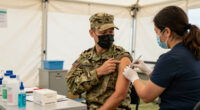
The US military is requiring flu vaccinations for some service members after an influenza outbreak at a Texas training facility. The move aims to prevent further spread amid ongoing health concerns. Details about the scope and specific policies are still emerging.
The US military has mandated influenza vaccinations for select personnel after an outbreak at a Texas training center, marking a significant health response to contain the spread among trainees and staff. This decision underscores ongoing concerns about infectious disease control within military facilities.
According to military officials, the requirement applies to service members stationed at or visiting the Texas training center where the outbreak occurred. The outbreak was confirmed by the Department of Defense on March 20, 2024, after reports of multiple flu cases among trainees and staff. The military has not disclosed the exact number of cases but states that the vaccination mandate aims to curb further infections and protect operational readiness. The policy is being implemented immediately, with vaccination clinics set up on-site. The move follows standard health protocols, but it marks one of the first times such a mandate has been issued in response to an outbreak within a military training environment in recent years. Defense officials emphasized that the flu vaccine requirement is temporary and targeted, focusing on personnel most at risk or in close contact with infected individuals. The vaccination is voluntary for some categories but mandatory for others, depending on their roles and exposure levels. The outbreak’s origin remains under investigation, with officials noting that flu activity tends to increase during this season, but the cluster at the Texas facility prompted swift action. The affected training center is part of a larger military training network, and officials are monitoring the situation closely. No severe cases or hospitalizations have been reported so far, and no fatalities linked to the outbreak have been confirmed.
Implications of the Flu Vaccine Mandate for Military Readiness
This development highlights the US military’s proactive approach to managing infectious diseases within its ranks, especially during flu season. Mandating vaccines at a training center underscores concerns about maintaining operational capacity and protecting personnel health. The move may influence other military installations to adopt similar measures, emphasizing the importance of disease prevention in high-density environments. For service members, it reflects ongoing efforts to balance health safety with readiness, especially amid broader public health challenges.

VICKS DayQuil & NyQuil High Blood Pressure Cold & Flu Relief Liquicap 48ct Co-Pack, Powerful Multi Symptom Daytime & Nighttime Medicine for Cold, Cough, and Flu Symptoms, 24ct DayQuil, 24ct NyQuil
- Formulated for High Blood Pressure: Decongestant-free cold and flu relief
- Day and Night Relief: Non-drowsy DayQuil and fast-acting NyQuil
- Multi-Symptom Relief: Relieves cold and flu symptoms quickly
As an affiliate, we earn on qualifying purchases.
As an affiliate, we earn on qualifying purchases.
Recent Influenza Trends and Military Health Policies
Influenza outbreaks are common during the colder months, and military training environments are particularly vulnerable due to close quarters and high-density living conditions. Historically, the military has mandated flu vaccinations to prevent outbreaks that could impair training schedules and readiness. The recent outbreak at the Texas training center prompted a swift policy response, aligning with previous health protocols but representing a more targeted mandate following localized infection clusters. The Department of Defense regularly updates its health policies based on emerging threats and seasonal risks, with this incident serving as a reminder of the ongoing need for disease control measures within military settings.
“The flu vaccination requirement is a targeted measure to prevent further spread at the Texas training center and protect our personnel.”
— Defense Department spokesperson
As an affiliate, we earn on qualifying purchases.
Details on Scope and Duration of the Vaccination Requirement
It remains unclear how many personnel are affected, whether the mandate will extend beyond the initial group, or how long the vaccination requirement will remain in place. The exact number of cases and the origin of the outbreak are also still under investigation. Officials have not specified whether non-compliance could lead to disciplinary actions or whether the mandate applies to all personnel at the facility.
As an affiliate, we earn on qualifying purchases.
Monitoring, Evaluation, and Potential Policy Adjustments
The military will continue monitoring the outbreak and assess the effectiveness of the vaccination mandate. Updates on case numbers, policy duration, and possible adjustments are expected in the coming weeks. Officials also plan to review health protocols at other training centers to prevent similar outbreaks. The Department of Defense aims to balance disease prevention with operational needs, and further guidance may be issued based on the evolving situation.
personal flu prevention supplies
As an affiliate, we earn on qualifying purchases.
As an affiliate, we earn on qualifying purchases.
Key Questions
Who is required to get the flu vaccine under this mandate?
The requirement applies to service members stationed at or visiting the Texas training center where the outbreak occurred, with specifics depending on their roles and exposure levels.
Is the flu vaccine mandatory for all military personnel?
No, the mandate is currently targeted at personnel at the affected training center and those in close contact with infected individuals. It is not a blanket requirement for all service members across the military.
How long will the vaccination requirement be in place?
The duration of the mandate has not been specified. It will likely depend on the outbreak’s containment and ongoing health assessments.
Are there any reported severe cases or fatalities?
No severe cases or fatalities related to the outbreak have been publicly reported as of now.
Could this lead to broader vaccination policies in the military?
This incident may influence future policies, especially if similar outbreaks occur, but current measures are focused on containment and outbreak management.
Source: google-trends