TL;DR
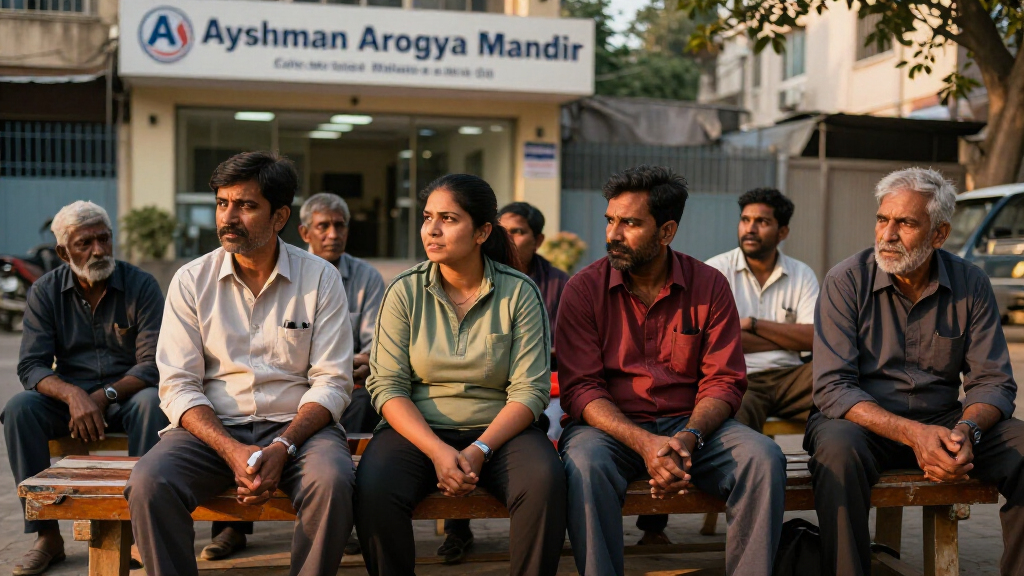
Delhi has begun replacing its Mohalla Clinics with Ayushman Arogya Mandirs. Former staff members are now awaiting their pending dues, amid questions about the future of local healthcare services.
Delhi has started replacing its long-standing Mohalla Clinics with new Ayushman Arogya Mandirs, a move confirmed by local officials. As this transition unfolds, many former staff members of Mohalla Clinics are awaiting pending dues and uncertain about their future employment, raising concerns about the impact on local healthcare services.
The Delhi government announced the phased replacement of Mohalla Clinics with Ayushman Arogya Mandirs, aiming to expand healthcare access through larger, more comprehensive facilities. This shift has been underway for several weeks, with several clinics already transitioned to the new model.
However, reports indicate that many former Mohalla Clinic staff members have not received their pending salaries, allowances, or other dues. Staff members, speaking on condition of anonymity, say they have been left in limbo, with some having worked for years without compensation. The government has not yet issued a clear statement on the status of dues or the future employment of these workers.
Sources suggest that the transition is part of a broader health policy initiative aimed at centralizing healthcare services, but critics argue it risks disrupting community-based care that Mohalla Clinics provided for years. The future of the staff, many of whom are local residents, remains uncertain, with some fearing layoffs or redeployment.
Implications for Local Healthcare and Staff Welfare
This development is significant because it highlights the challenges faced during administrative transitions in public health infrastructure. The replacement of Mohalla Clinics—an established community healthcare model—raises questions about continuity of care, staff employment, and the overall accessibility of primary healthcare services in Delhi. The pending dues for staff also underscore issues of worker rights and government accountability in managing such transitions, which could influence public trust and policy effectiveness.
medical staff salary payment solutions
As an affiliate, we earn on qualifying purchases.
As an affiliate, we earn on qualifying purchases.
Background of Mohalla Clinics and Transition to Ayushman Arogya Mandirs
Mohalla Clinics were launched in Delhi in 2015 as part of the Aam Aadmi Party’s healthcare initiative, aiming to provide affordable, accessible primary care within neighborhoods. Over the years, these clinics became a vital part of Delhi’s healthcare fabric, serving millions of residents. Recently, the Delhi government announced plans to replace these clinics with larger Ayushman Arogya Mandirs, purportedly to offer expanded services and integrate more comprehensive healthcare facilities. The transition, however, has faced criticism from healthcare workers and community groups concerned about disruptions and staff welfare.
The shift is reportedly driven by policy goals to modernize healthcare infrastructure, but details about the implementation timeline and staff arrangements remain unclear. The move has gained public attention amid reports of unpaid dues and staff uncertainty.
community healthcare clinic supplies
As an affiliate, we earn on qualifying purchases.
As an affiliate, we earn on qualifying purchases.
Unresolved Issues Surrounding Staff Dues and Transition Timeline
It is not yet clear when the pending dues for former Mohalla Clinic staff will be paid or how many staff members will be retained or redeployed. The exact timeline for completing the transition to Ayushman Arogya Mandirs remains uncertain, and government communications have been vague about these details. The scope of the impact on healthcare services in affected neighborhoods is also still developing.
As an affiliate, we earn on qualifying purchases.
Next Steps for Staff and Healthcare Service Continuity
Further government announcements are expected to clarify the timeline for completing the transition and resolving staff dues. Activists and staff members are likely to press for official commitments on employment security and compensation. Monitoring the rollout of Ayushman Arogya Mandirs and assessing their impact on community health services will be crucial in the coming months.
healthcare facility management tools
As an affiliate, we earn on qualifying purchases.
As an affiliate, we earn on qualifying purchases.
Key Questions
Why are Mohalla Clinics being replaced?
The government states that the replacement aims to modernize healthcare infrastructure and expand services through larger Ayushman Arogya Mandirs, but specific policy details are limited.
What is happening to the staff of Mohalla Clinics?
Many staff members are awaiting pending salaries and dues, and their future employment status remains uncertain amid the transition.
When will staff dues be paid?
It is currently unclear when the government will settle pending dues; officials have not provided specific timelines.
Will healthcare services in Delhi be affected?
The impact on community healthcare is still uncertain, but disruptions during the transition period are possible, especially if staff are not retained or compensated.
How are residents affected by this change?
Residents may experience changes in service availability and quality, depending on how the transition is managed and whether community-based care is maintained.
Source: local