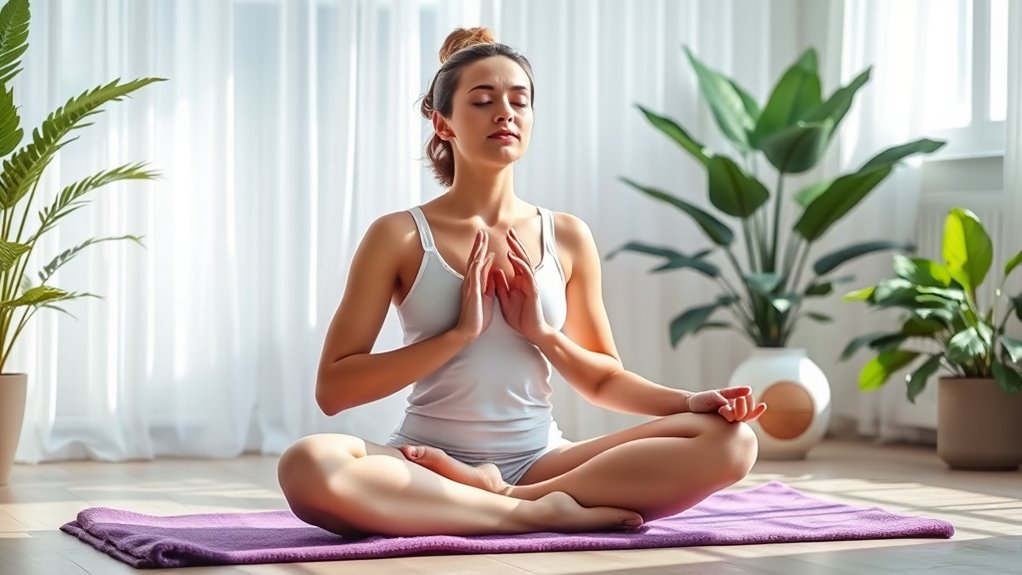

Yoga breathing techniques, like diaphragmatic and pranayama breathing, can help you calm your nervous system and reduce anxiety quickly. By focusing on deep, slow breaths, you signal safety to your brain and ground yourself in the present moment. These practices are simple, require no special equipment, and can be done anytime, anywhere. Keep exploring to discover more simple ways to incorporate these calming techniques into your daily routine.
Key Takeaways
- Yoga breathing techniques, like diaphragmatic and Ujjayi breath, activate the relaxation response to reduce anxiety.
- Incorporating mindful breathing into yoga practice helps calm the nervous system and ease racing thoughts.
- Deep, controlled breathing during yoga promotes mental clarity and physical relaxation, alleviating anxiety symptoms.
- Regular practice of yoga breathing enhances emotional resilience and self-awareness for managing stress.
- Combining yoga postures with intentional breathing creates a holistic approach to anxiety relief and overall well-being.
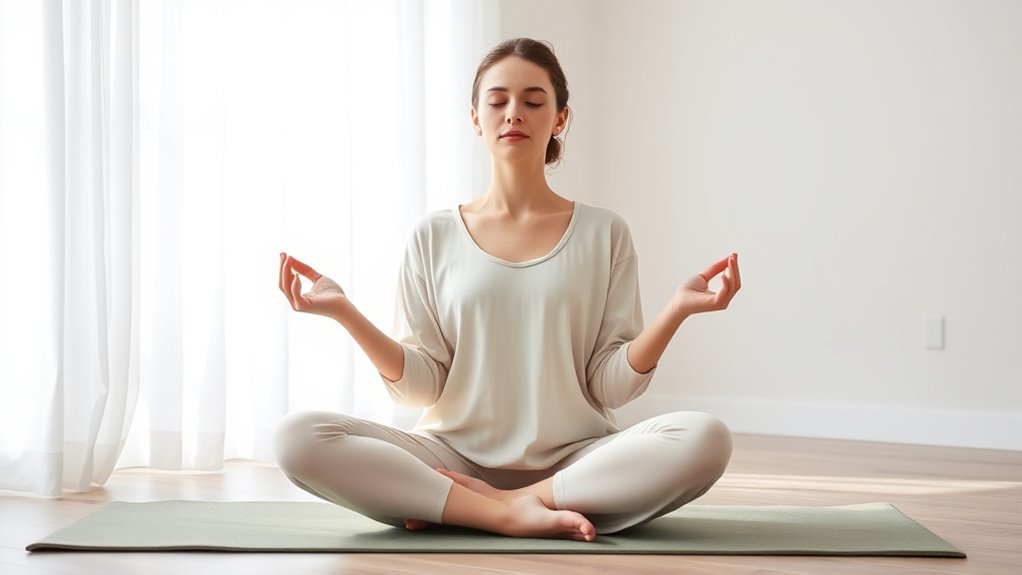
Have you ever wondered if simple breathing techniques can ease feelings of anxiety? If so, you’re not alone. Many people turn to mindful breathing as an accessible way to manage stress and find calm amid chaos. Mindful breathing involves paying close attention to each breath, observing how it feels as you inhale and exhale. It’s a straightforward practice that can be done anytime, anywhere, making it a powerful tool for stress reduction. When anxiety spikes, your breathing often becomes rapid and shallow, fueling the cycle of stress. By intentionally slowing down and focusing on your breath, you can interrupt this cycle and promote a sense of control and relaxation. Regular practice can also help your body establish a relaxation response, making it easier to calm your mind during stressful moments.
Practicing mindful breathing helps you become more aware of your body’s responses to stress. When you notice tension or shallow breaths, you can consciously shift to deep, diaphragmatic breathing. This not only calms the nervous system but also signals to your brain that it’s safe to relax. As you focus on each breath, your mind begins to quiet, reducing the racing thoughts that often accompany anxiety. This focus on breath acts as an anchor, grounding you in the present moment. Over time, this simple act of mindful breathing can considerably decrease overall stress levels, leading to better emotional resilience.
Mindful breathing calms your nervous system and reduces racing thoughts, promoting emotional resilience and present-moment awareness.
Incorporating mindful breathing into your daily routine doesn’t require special equipment or lengthy sessions. You can start with just a few minutes each day, sitting comfortably and paying attention to your breath. Try to notice the rise and fall of your chest or the sensation of air passing through your nostrils. When your mind wanders, gently bring your focus back to your breath without judgment. This process trains your mind to stay present, which is especially helpful when anxiety feels overwhelming. The more consistently you practice, the more natural it becomes to use mindful breathing as a quick stress reduction technique during stressful moments.
Many people find that mindful breathing not only relieves immediate anxiety but also enhances their overall sense of well-being. It encourages a gentle, non-judgmental awareness of your body and mind, fostering a compassionate attitude towards yourself. This approach helps create a foundation for longer-term stress management strategies, including yoga and meditation practices. Ultimately, by making mindful breathing a regular habit, you empower yourself to handle anxiety more effectively. It’s a simple, accessible practice that can transform your response to stress, helping you find calm even during the most challenging days.

NAGLIFOR Massage Chair Full Body, Zero Gravity Massage Chair 2026 for Back Fatigue with 10 Fixed Rollers, Heating, Airbags, Phone Controller, Bluetooth Speaker, Nightlights for Living Room, Bedroom
[Upgraded Massage Chair] Experience a higher level of wellness with our massage chair full body. Combining 10 fixed...
As an affiliate, we earn on qualifying purchases.
Frequently Asked Questions
Can Yoga Breathing Replace Medication for Anxiety?
Yoga breathing can’t fully replace medication for anxiety, but it offers significant meditation benefits that help manage symptoms. Regular practice of yoga poses coupled with mindful breathing can reduce stress and promote relaxation. You might find it a helpful complement to medication, easing anxiety naturally. However, always consult your healthcare provider before making changes to your treatment plan. Combining techniques can provide a well-rounded approach to managing anxiety effectively.
How Long Should I Practice Yoga Breathing Daily?
You should practice yoga breathing daily for at least 10 to 15 minutes, but don’t rush—embrace the rhythm of your breathing patterns. Once you settle into a steady pace, consider extending your sessions as you deepen your meditation practices. The key is consistency; even short, focused sessions can profoundly calm your mind. Stay patient, and let each breath guide you toward greater tranquility and balance.
Is Yoga Breathing Suitable for Children With Anxiety?
Yes, yoga breathing can be suitable for children with anxiety, especially with proper guidance. You should encourage child participation and guarantee exercises are age-appropriate, making the practice engaging and simple. Keep sessions short and fun, focusing on calming techniques like deep breaths and slow inhalations. Always monitor how your child responds, and consult a pediatrician if you’re unsure about specific breathing exercises for their age.
Are There Specific Yoga Breathing Techniques for Panic Attacks?
Think of panic attacks as stormy clouds gathering quickly. You can calm the storm using specific breathing techniques like diaphragmatic breathing or box breathing, which act as your umbrella for anxiety management. These techniques slow your breathing, reduce panic symptoms, and bring clarity. Practice them regularly so when panic strikes, you have a reliable tool to stay grounded and manage anxiety effectively.
Can Yoga Breathing Help With Chronic Anxiety Disorders?
Yes, yoga breathing can help with chronic anxiety disorders. You can practice mindfulness meditation combined with diaphragmatic breathing to calm your mind and reduce stress. By focusing on slow, deep breaths, you activate your relaxation response, easing anxiety over time. Consistent practice helps you manage symptoms more effectively, creating a sense of calm and control in your daily life.

Sweetcrispy Massage Recliner Chair for Adults, Adjustable Home Theater Seating with Lumbar Support for Living Room, Modern Fabric Reclining, Black
【Adjustable Reclining Comfort】Effortlessly switch between 90° and 160° reclining positions to suit your needs, whether it’s sitting upright,...
As an affiliate, we earn on qualifying purchases.
Conclusion
Practicing yoga breathing techniques can transform your anxiety from a relentless storm into a gentle breeze. By consistently applying these simple yet powerful methods, you’ll tap into a wellspring of calmness hidden within you. Imagine, with each breath, you’re opening a secret portal to serenity so profound, it could rival the stillness of the deepest ocean. Embrace these practices daily, and watch your anxiety diminish to a whisper, leaving you feeling centered, peaceful, and unstoppable.
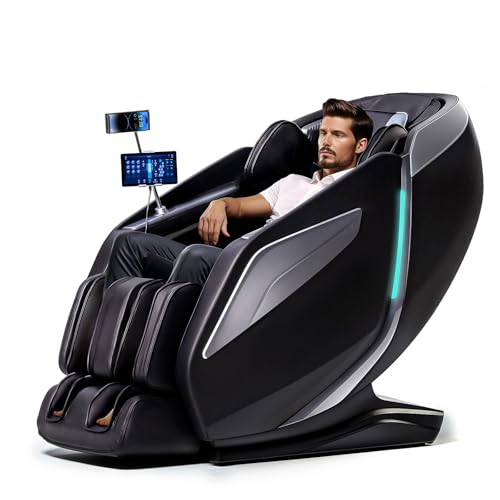
HealthRelife 4D Massage Chair Full Body Zero Gravity Recliner - 55“ SL-Track,15 Auto Modes,11 Massage Technique,40 Airbags Massage,with Yoga Stretch,APP Control,Shiatsu Foot Massage(Black)
【Full Body Airbags Massage】 40 Airbags are strategically positioned from the shoulder to the foot. They apply rhythmic...
As an affiliate, we earn on qualifying purchases.

Rhevoy Power Lift Recliner Chair for Elderly with Massage and Heat, Dual Motor Electric Lift Chair with Arm Storage, Lay Flat Recliner for Big and Tall, Infinite Position, Gray
26" extra-wide seat & Flip Arm Storage: Our oversized recliner chair has a roomy, comfortable 26" seat that...
As an affiliate, we earn on qualifying purchases.