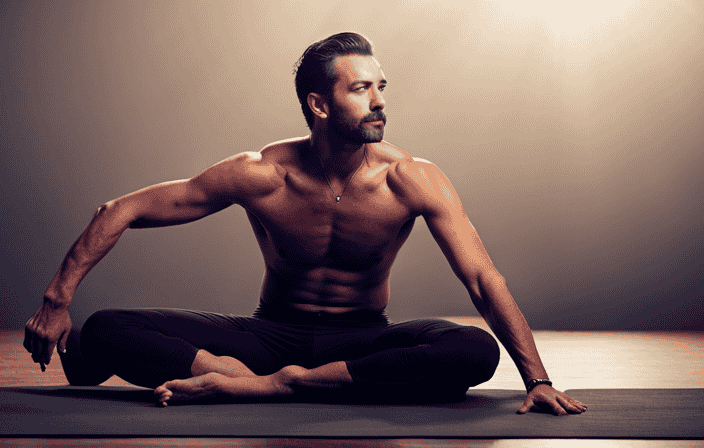

Start your morning with gentle breath awareness, taking deep, deliberate inhales and slow exhales to ground your mind. Incorporate slow neck rolls and gentle twists to loosen tension and awaken your body. Focus on mindful movement, moving smoothly and steadily to foster stability and calmness. By creating a calm, centered routine, you’ll set a positive tone for the day ahead. Continue exploring to discover simple rituals that strengthen your grounding practice even further.
Open a free Amazon Business account
Business pricing, bulk buying and tax-exempt orders.
As an affiliate, we earn on qualifying purchases.
Key Takeaways
- Begin with gentle breath awareness to center your mind and create a calm foundation for the practice.
- Incorporate slow, mindful stretching movements to promote physical openness and release tension.
- Focus on smooth, controlled transitions between poses to enhance stability and grounding.
- Use deep, deliberate breaths during stretches to connect movement with breath and deepen relaxation.
- Establish a consistent morning routine to set a positive, centered tone for the day ahead.

Starting your day with morning yoga rituals can set a positive tone and energize your mind and body for the hours ahead. One of the most effective ways to begin is by focusing on breath awareness. As you step onto your mat, take a few moments to tune into your breath. Breathe deeply and deliberately, noticing the rise and fall of your chest or abdomen. This simple practice grounds you, helping you leave behind any lingering sleepiness or mental clutter. By intentionally connecting with your breath, you anchor yourself in the present moment, creating a calm, centered foundation for your day. As you deepen your awareness, let each inhale fill you with fresh energy and each exhale release tension and stress. Incorporating mindfulness techniques like focused breathing can enhance the grounding effect of your practice.
Next, incorporate gentle stretches to awaken your body gradually. These movements should feel comfortable and nourishing, not rushed or strained. Begin with slow neck rolls to loosen up tension in your shoulders and neck, then move into gentle twists that stretch your spine. As you stretch, keep your breath smooth and steady, maintaining that sense of breath awareness. Gentle stretches like forward bends or side stretches help improve flexibility and increase circulation, waking up muscles that may feel stiff after sleep. These stretches also serve as a mindful transition from rest to activity, allowing your body to awaken naturally without shock or overstretching.
As you flow through these stretches, stay attentive to how your body feels. Notice any areas of tightness or discomfort, and breathe into those spaces. This mindful approach helps release emotional and physical tension, grounding you further. Keep your movements slow and controlled, avoiding any jerky or abrupt motions. It’s about creating a gentle rhythm that encourages mindfulness and physical openness. During this process, maintain your breath awareness, ensuring that your breath remains steady and full, supporting each movement. This combination of breath awareness and gentle stretches fosters a sense of stability and calm, which can carry you through the rest of your day.
Frequently Asked Questions
Can Morning Yoga Improve My Mental Clarity Throughout the Day?
Yes, morning yoga can boost your mental clarity throughout the day. By combining mindfulness meditation and breathing techniques during your practice, you activate your mind and reduce stress. These techniques help you stay present and focused, improving your decision-making and concentration. Incorporate gentle stretches and mindful breathing, and you’ll likely notice increased mental sharpness and calmness, setting a positive tone for the rest of your day.
What Are the Best Yoga Poses for Beginners to Start With?
You should start with beginner-friendly poses like Mountain Pose, Downward Dog, and Child’s Pose, which are foundational yoga postures. These poses help you build strength, improve flexibility, and develop your practice step by step. Focus on proper alignment and breathing to get the most benefit. As you gain confidence, you can gradually explore more challenging poses, but these foundational postures are perfect for beginners to start your yoga journey.
How Long Should My Morning Yoga Session Last for Optimal Benefits?
Oh, because everyone’s got hours to spare before breakfast, right? For ideal benefits, aim for a 20 to 30-minute session. That’s enough to stretch, breathe, and find your zen without sacrificing your morning coffee. The perfect timing balances mindfulness and energy, keeping you grounded all day. Anything less might leave you feeling rushed, and more? Well, you risk turning yoga into a full-blown workout.
Is It Necessary to Practice Yoga on an Empty Stomach?
You don’t need to practice yoga on an empty stomach, but pre-yoga nutrition can enhance your experience. If you avoid heavy meals before yoga, fasting benefits like increased mental clarity and digestion may improve. Light snacks or smoothies are fine if you’re hungry. Listen to your body—if fasting feels uncomfortable, have a small, easily digestible meal. Ultimately, find what works best for your energy and comfort.
What Should I Wear for Morning Yoga to Stay Comfortable?
You should wear comfortable clothing that allows free movement and breathability for your morning yoga session. Opt for breathable fabrics like cotton or moisture-wicking materials that keep you cool and dry. Choose yoga attire that fits well without being too tight or restrictive, so you stay comfortable throughout your practice. Layering can be helpful if your space is cool, ensuring you remain relaxed and focused during your grounding routine.
Conclusion
As you finish your morning yoga ritual, you might feel more centered, but remember, the true magic happens when you carry this calm into your day. Will you notice subtle shifts in your mindset or unexpected moments of clarity? Stay open and attentive, because the next step in your journey toward grounding is just around the corner. Keep practicing, and see how these simple routines can uncover a deeper sense of peace you never knew was possible.
Fall yard work Picks
leaf blowers
As an affiliate, we earn on qualifying purchases.