
TL;DR

Turn your wind-down time into listening time
- Thousands of audiobooks, podcasts and originals
- Listen on your phone, tablet or Echo — also offline
- Cancel anytime
Stress relief toys for students help reduce anxiety and improve focus through tactile and sensory engagement. Recent innovations include eco-friendly materials and tech-enabled devices, making them more effective and accessible.
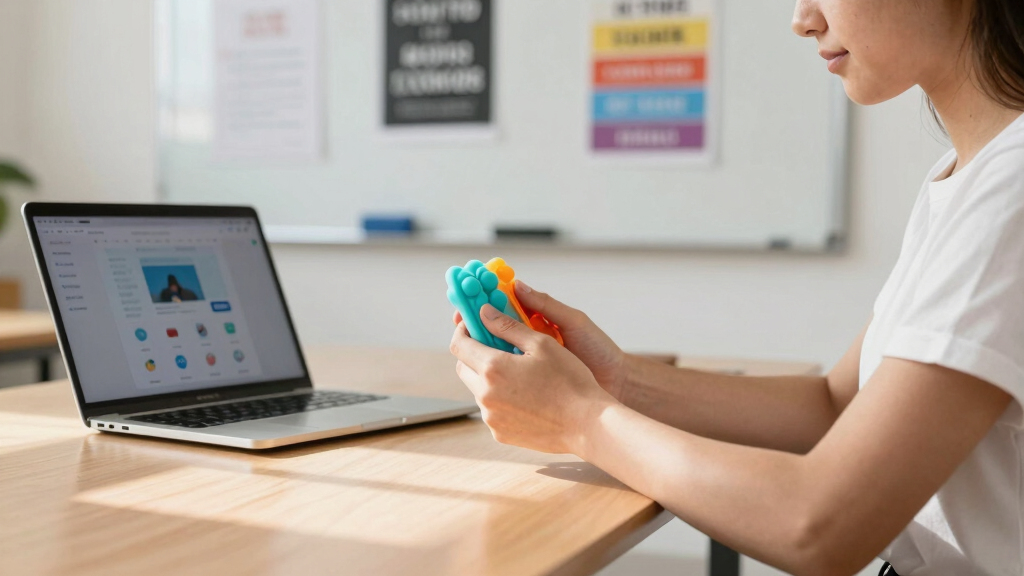
Imagine sitting in a noisy classroom, feeling your nerves tighten like a coiled spring. Now, picture having a small, discreet toy in your hand that calms your racing thoughts and helps you refocus. That’s the power of stress relief toys for students. They’re not just fidget gadgets—they’re tiny mental health allies.
In this article, you’ll learn which types of toys truly help manage stress, how recent innovations make them more effective, and practical tips for integrating these tools into daily study routines. Whether you’re a parent, teacher, or student, understanding these options can turn a stressful day into a moment of calm.
Choose toys based on the student’s specific needs—focus, calming, or sensory input.
Look for eco-friendly, non-toxic materials for safety and sustainability.
Smart fidget devices with sensors can track stress and guide relaxation.
Incorporate stress toys into daily routines—study breaks, classroom moments, or at home.
Remember: stress relief toys are tools to support, not replace, professional mental health care.
Why Stress Relief Toys Are a Game-Changer for Students
Stress relief toys work because they provide a healthy outlet for nervous energy. For students facing exams, deadlines, or social pressures, these tools can calm the mind and improve focus. Imagine a student with anxiety pulling a soft stress ball during a test—it’s a simple act that helps shift their attention from worry to concentration.
Research shows that tactile activities like squeezing a stress ball or spinning a fidget cube can lower cortisol levels and reduce feelings of anxiety. For example, a student with ADHD might find that using a textured fidget spinner helps them stay seated and attentive in class. The key here is understanding why these toys work: they tap into our innate need for sensory input, which can help regulate emotional responses. This means that choosing the right toy isn’t just about preference, but about aligning with the student’s specific sensory needs and stress triggers. The tradeoff is that some toys may be distracting if not used appropriately, so it’s important to guide students on when and how to use them effectively.
stress relief fidget toys for students
As an affiliate, we earn on qualifying purchases.
As an affiliate, we earn on qualifying purchases.
The Top 5 Stress Relief Toys Students Love (And Why)
| Toy Type | What It Does | Best For |
|---|---|---|
| Fidget Cubes | Multiple buttons, switches, and textures to keep busy hands engaged | Focus and boredom relief during lessons |
| Stress Balls | Squeezable, soft, and moldable to relax tense muscles | Muscle relaxation during study breaks |
| Pop It & Bubble Fidget Toys | Satisfying tactile feedback with popping sounds | Distraction and sensory stimulation |
| Sensory Putty | Soft, moldable, with textures or glow-in-the-dark features | Calming nervous energy and tactile fun |
| Chewelry | Chewable jewelry for oral sensory input | Stress management for sensory seekers |
Understanding what each toy offers helps in selecting the most suitable option for a student’s unique stress triggers and sensory preferences. For instance, fidget cubes allow for discreet, varied tactile engagement, making them versatile for different sensory needs. Stress balls provide immediate muscle relaxation, which can help reduce physical tension that often accompanies anxiety. Pop It toys stimulate sensory receptors with minimal distraction, making them ideal for quick mental resets. Sensory putty offers tactile stimulation that can be calming or energizing, depending on how it’s used, while chewelry provides oral sensory input that can soothe oral fixation or sensory-seeking behaviors. The tradeoffs involve balancing engagement with potential distraction, so students and educators should consider context and individual needs when selecting toys.
As an affiliate, we earn on qualifying purchases.
How to Choose the Right Stress Toy for Your Student
- Identify their needs—do they need focus, calming, or sensory input? Understanding the core reason for stress can guide your choice. For example, a student overwhelmed by noise might benefit from a tactile toy that provides calming input, while a student with oral sensory needs might prefer chewable jewelry.
- Pick portable and discreet options—think small enough to fit in their pocket or bag, so they can use them anytime without drawing attention or disrupting others.
- Check safety and materials—prefer non-toxic, durable, and easy-to-clean options. Avoid toys with small parts if younger children might use them, and consider hypoallergenic materials if sensitivities exist.
- Consider their sensory preferences—do they respond better to textured, soft, or sound-producing toys? Matching the toy to their sensory profile increases effectiveness.
- Test different types—observe what calms or engages them most effectively. Keep a journal or notes on their reactions to different toys to make informed future choices.
For example, a student overwhelmed by auditory stimuli might find a textured fidget cube more calming than a noisy toy. Conversely, a student with oral sensory needs might benefit from chewable jewelry that they can use discreetly during class. Practical application involves trial, observation, and adjustment—think of it as a personalized toolkit for stress management.
smart fidget devices with stress tracking
As an affiliate, we earn on qualifying purchases.
As an affiliate, we earn on qualifying purchases.
Innovations Making Stress Relief Toys Smarter & Safer
Modern stress relief toys are evolving beyond simple gadgets. Some incorporate eco-friendly materials like biodegradable plastics and non-toxic silicone, making them safer and more sustainable. Others are integrating technology—think Bluetooth-enabled fidget devices that track stress levels and connect to calming apps.
Imagine a student using a smart fidget spinner that vibrates gently when it senses rising stress, prompting them to breathe deeply. These innovations are designed to make stress management more engaging and effective.
Choosing these advanced toys can be a strategic decision—consider how technology can provide real-time feedback and data, helping students and educators identify stress patterns and intervene proactively. The tradeoff is that more complex devices may require charging or maintenance, so weigh convenience against functionality when selecting smart stress toys.
As an affiliate, we earn on qualifying purchases.
Real-World Success: How Schools Use Stress Toys to Help Students Thrive
Many schools now include stress relief tools as part of their wellness programs. For instance, a middle school in California distributes fidget kits to students during exams, resulting in fewer disruptions and higher test scores. Teachers observe that students who use these toys stay calmer and more attentive.
In one case, a high school started a ‘calm corner’ with sensory toys, helping students with anxiety or sensory processing issues feel more comfortable during stressful moments. These small changes can create a big impact on student well-being.
Practical takeaway: integrating stress relief tools into school routines requires thoughtful implementation. Educators should train staff on how to encourage appropriate use, and communicate to students that these tools are aids—not distractions. Regularly evaluating the effectiveness of these interventions helps optimize their benefits and ensures they support mental health goals effectively.
Frequently Asked Questions
Are stress relief toys effective for reducing anxiety?
Many studies suggest that tactile tools like stress balls and fidget cubes can lower stress hormones and help students feel calmer. While they aren’t a cure-all, they’re a helpful part of a broader stress management strategy.
Which toys are best for students with ADHD or autism?
Sensory-friendly options such as textured fidget toys, chewable items, or weighted objects often work best. They provide the tactile input these students need to stay calm and focused.
Are stress relief toys safe for all students?
Most are safe when made from non-toxic, durable materials. Always check age labels and avoid small parts for younger children to prevent choking hazards.
Can stress relief toys replace therapy or counseling?
No. They are supportive tools that complement professional mental health care but shouldn’t replace therapy when needed.
How can I encourage consistent use of stress toys?
Integrate them into daily routines—use during study breaks or in calm corners. Demonstrating their benefits and making them accessible encourages regular use.
Conclusion
Stress relief toys are small but mighty allies in a student’s mental toolkit. When chosen thoughtfully, they turn moments of stress into opportunities for calm and focus. Imagine a classroom where every student has a simple, soothing tool at hand—calm, engaged, ready to learn.
So, next time stress spikes, consider giving a student a tactile escape. It might just change their entire day—and their attitude toward school.
Halloween Picks
halloween
As an affiliate, we earn on qualifying purchases.