
TL;DR

Turn your wind-down time into listening time
- Thousands of audiobooks, podcasts and originals
- Listen on your phone, tablet or Echo — also offline
- Cancel anytime
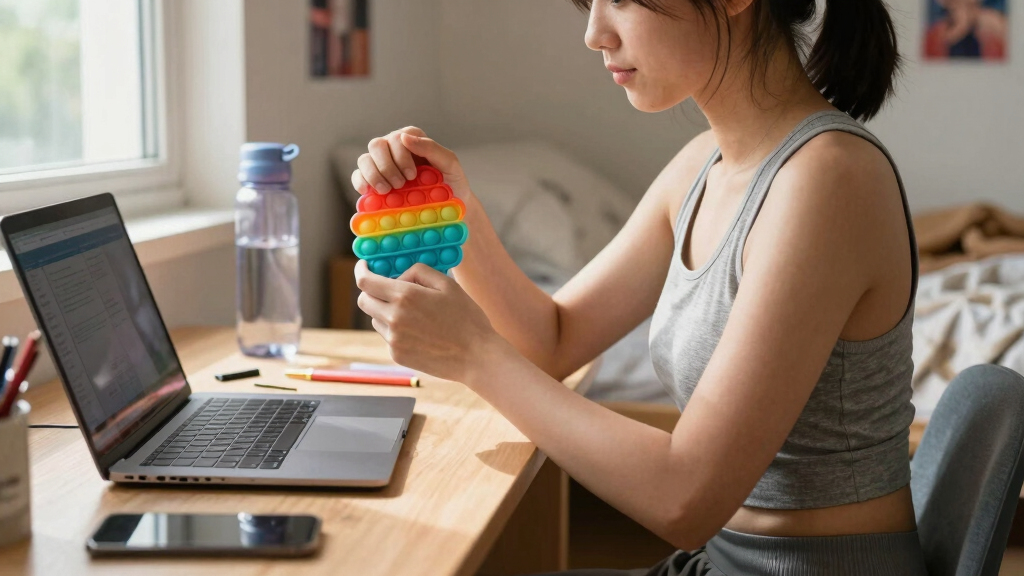
Stress relief toys for students can lower anxiety and sharpen focus, especially during exams or social pressures. They work best when combined with other stress management methods, and recent innovations make them more effective and inclusive.
Imagine sitting in a noisy classroom, feeling your heart race over a tricky test. You reach into your pocket and find that small, squishy stress ball. Instantly, the tension eases. Stress relief toys aren’t just fun—they’re a secret weapon for students battling anxiety or focus issues.
In this article, you’ll learn how these tiny tools work, what types are best, and how recent innovations make them even more effective. Whether you’re a student yourself or a parent or teacher helping a student, understanding these simple aids can transform stressful moments into manageable ones.
Choose a stress relief toy based on the student’s sensory preferences and environment.
Recent innovations like eco-friendly materials and tech features make toys more effective and inclusive.
Consistent, mindful use enhances their stress-reducing benefits—don’t just keep them hidden in a drawer.
Stress relief toys should complement other stress management strategies, not replace them.
Safety first: always select non-toxic, durable options suitable for the user’s age and needs.
How Stress Relief Toys Help Students Stay Calm and Focused
Stress relief toys are small, portable objects designed to keep your hands busy and your mind grounded. They serve as a quick mental reset, helping you break free from spiraling anxiety or distraction. For example, a student nervously waiting for exam results might squeeze a stress ball, which releases tension and shifts focus away from worries.
According to studies, tactile activities like squeezing or fidgeting can reduce cortisol levels—the stress hormone—by up to 25%. That’s like giving your brain a gentle, calming nudge during high-stakes moments. The importance of these toys lies in their ability to provide immediate sensory feedback, which can interrupt negative thought patterns and promote relaxation. This sensory input acts as a form of emotional regulation, helping students manage overwhelming feelings or intrusive thoughts that can impair focus. However, the effectiveness depends on individual differences: some students might find certain textures more soothing than others, emphasizing the need for personalized choices. Overusing these toys, though, can become a distraction, so moderation and mindful use are key to harnessing their true benefits.
fidget stress relief toys for students
As an affiliate, we earn on qualifying purchases.
As an affiliate, we earn on qualifying purchases.
Top 5 Stress Relief Toys Every Student Should Try
| Type of Toy | Why It’s Great | Best For |
|---|---|---|
| Fidget Cube | Multiple tactile surfaces for varied sensory input, allowing students to engage different senses and prevent boredom. This variety can help target specific sensory needs, making it adaptable for different students. | Students who like many textures and need distraction during lessons, especially those with hyperactivity or sensory processing needs. |
| Stress Ball | Squeezing relieves muscle tension and stimulates blood circulation, which can help reduce physical signs of stress. Its simplicity makes it accessible, but choosing the right firmness is crucial—too soft might be ineffective, too hard could cause discomfort. | Those who prefer straightforward, effective tools that provide immediate tactile feedback and physical relief. |
| Slime or Putty | Unique textures stimulate tactile senses and can be molded into different shapes, encouraging creativity and focus. The act of kneading can also release built-up tension and promote mindfulness. This tactile manipulation can also serve as a form of emotional expression, helping students process feelings or frustrations in a safe, constructive way. | Students with sensory sensitivities or seeking a creative outlet to channel nervous energy, especially those who respond well to tactile manipulation. |
| Chewable Necklace | Calms through oral sensory input, which can be particularly helpful for students who seek oral stimulation or have oral fixation needs. They can serve as a discreet, portable calming tool. The ability to chew on a safe item provides a non-verbal outlet for stress, reducing the likelihood of disruptive behaviors caused by frustration or anxiety. | Students with ADHD or sensory processing issues who need oral sensory input to self-regulate and prevent disruptive behaviors. |
| Touch Rings or Textured Jewelry | Discrete, stylish, and always ready to use, these accessories offer constant tactile engagement without drawing attention. They serve as subtle reminders to stay grounded and calm, reinforcing mindfulness during social interactions or stressful moments. | Students who want subtle stress relief options that fit into social settings without stigma or distraction. |
As an affiliate, we earn on qualifying purchases.
How to Pick the Perfect Stress Relief Toy for a Student
- Identify the student’s preferences—do they like squeezing, rolling, chewing, or touching? Understanding their sensory preferences helps select a toy that they will actually use and find calming. Recognizing these preferences is crucial because a toy that doesn’t align with their sensory needs may be ignored or cause overstimulation, reducing its effectiveness.
- Consider any sensory sensitivities or allergies—avoid toxic materials or highly stimulating textures that might cause discomfort or adverse reactions. Testing different options can reveal what feels safest and most soothing. This process of trial and error is essential because sensory preferences are highly individual, and what works for one student might not work for another.
- Think about where they’ll use it—classroom, home, or on-the-go. Portable, durable options are generally best for busy students who need quick access to stress relief tools. Selecting a toy that fits seamlessly into their daily environment encourages consistent use and makes stress management a natural part of their routine.
- Set a budget—there are effective options from just a few dollars to more elaborate gadgets. Investing in quality ensures durability and safety, which are crucial for long-term use. While cheaper toys might be tempting, they could break easily or contain unsafe materials, ultimately undermining their purpose.
- Test different types if possible—what feels right for them might surprise you! Personal preference determines the effectiveness of a stress relief tool, so involving the student in the selection process boosts engagement and benefits. Empowering students to choose their own tools fosters independence and confidence in their coping strategies.
For example, a student with ADHD might prefer a quiet, textured fidget ring they can wear and discreetly use anytime. Choosing the right toy can make stress management more natural and less stigmatized, encouraging consistent use and positive habits.
As an affiliate, we earn on qualifying purchases.
Recent Innovations Making Stress Toys More Effective and Inclusive
Today’s stress relief toys are evolving rapidly, with innovations that significantly enhance their effectiveness and accessibility. Eco-friendly materials not only reduce environmental impact but also appeal to students and parents seeking sustainable options. Calming scents like lavender-infused putty tap into the olfactory system, which can activate the parasympathetic nervous system—your body’s natural relaxation response—adding a layer of soothing effect beyond tactile engagement. Interactive LED lights that respond to touch provide visual feedback, which can enhance mindfulness by encouraging students to focus on the present moment. Some toys now incorporate app connectivity, guiding users through relaxation exercises or tracking stress levels, integrating technology into stress management routines. These advancements acknowledge that stress manifests uniquely across individuals, and by offering sensory-friendly, customizable, and multisensory features, toys become more inclusive, especially for neurodiverse students who may need tailored sensory input. The implication is that with these innovations, stress relief tools can be more effective, personalized, and accessible, ultimately supporting a broader range of students in managing their anxiety and enhancing focus.
As an affiliate, we earn on qualifying purchases.
When and How to Use Stress Relief Toys for Best Results
Using stress relief toys consistently during stressful moments can significantly improve emotional regulation. For example, keeping a small fidget toy in your backpack or desk allows students to access calming sensory input immediately when anxiety spikes, preventing escalation. The key is regular, mindful use—integrating these tools into daily routines rather than only during crises—so that they become reliable self-regulation aids. Establishing specific times, such as during study breaks or before exams, helps build habitual use, reinforcing their calming effects over time. Pairing toys with deep breathing exercises, mindfulness practices, or positive affirmations can amplify their benefits by engaging multiple calming pathways. It’s essential to recognize that stress relief toys are supportive tools—not standalone solutions—so they should complement other healthy habits like physical activity, talking to trusted individuals, or practicing relaxation techniques. When used thoughtfully and consistently, these toys can serve as effective adjuncts in a comprehensive stress management plan, helping students develop resilience and emotional strength over time.
Frequently Asked Questions
Are stress relief toys effective for reducing anxiety?
Many students find tactile toys helpful for calming nerves, especially during exams or social pressures. While they work well as part of a broader stress management plan, their effectiveness varies based on individual preferences and consistent use. The key is understanding that these tools are most beneficial when integrated into a holistic approach that includes emotional awareness, relaxation techniques, and healthy routines. Relying solely on a stress toy without addressing underlying causes or combining other strategies may limit their impact, but when used thoughtfully, they can serve as a valuable component of a comprehensive stress reduction plan.
What types of stress relief toys are best for students with sensory processing issues?
Sensory-friendly options like textured fidget tools, soft squishies, or chewable necklaces are often recommended because they provide gentle, predictable sensory input. These toys help calm and focus students by engaging specific sensory pathways, which can reduce feelings of overwhelm or agitation. The effectiveness of these tools depends heavily on matching the toy’s textures, scents, and firmness to the individual’s sensory profile. For example, some students may prefer soft, smooth textures, while others might benefit from more textured or crinkly surfaces. Personalization is critical—testing different options and involving the student in the choice process ensures the selected toy is truly soothing and effective, ultimately making a meaningful difference in their emotional regulation and focus.
Are stress relief toys safe for children and teenagers?
Yes, when chosen carefully from reputable sources and made from non-toxic, durable materials. Safety considerations include avoiding toys with small parts that pose choking hazards, especially for younger children, and ensuring the toy is age-appropriate. Regular inspection for wear and tear is also important to prevent accidents. Proper use and supervision help maximize safety, and selecting high-quality, certified products ensures that the toy won’t contain harmful chemicals or design flaws. Educating students on how to use these toys responsibly can also help prevent misuse and maintain their safety and effectiveness as stress management tools.
How do I select the right stress relief toy for a student?
Start by understanding the student’s sensory preferences—do they prefer squeezing, rolling, chewing, or touching? Recognize their environment and daily routines to find toys that fit seamlessly into their lives. Testing different types can reveal what provides the most relief and comfort, but involving the student in this process is essential, as personal choice greatly influences effectiveness. Consider their age, any sensory sensitivities, and safety needs. It’s also helpful to observe how they respond to various textures, scents, or shapes to identify what is most calming. This personalized approach not only increases the likelihood of consistent use but also empowers students to take control of their stress management, fostering independence and resilience.
Can stress relief toys replace other stress management techniques?
While they are valuable tools, stress relief toys are most effective when used as part of a comprehensive approach. Techniques such as mindfulness, physical activity, social support, and professional counseling address underlying causes of anxiety and equip students with a range of coping skills. Relying solely on a toy may provide temporary relief but doesn’t develop the deeper emotional regulation skills needed for long-term resilience. The best strategy is to integrate toys with other healthy habits—using them as immediate calming aids while engaging in practices that promote overall mental well-being. This holistic approach ensures that students are not only managing stress in the moment but also building skills that help them handle future challenges more effectively.
Conclusion
Stress relief toys are simple tools that give students a quick mental escape. When chosen thoughtfully and used regularly, they can turn moments of anxiety into opportunities for calm and focus.
Think of them as tiny stress-busters tucked into your pocket—ready to turn chaos into calm. Next time pressure hits, reach for your favorite toy and feel the difference.
Fall Picks
fall essentials
As an affiliate, we earn on qualifying purchases.