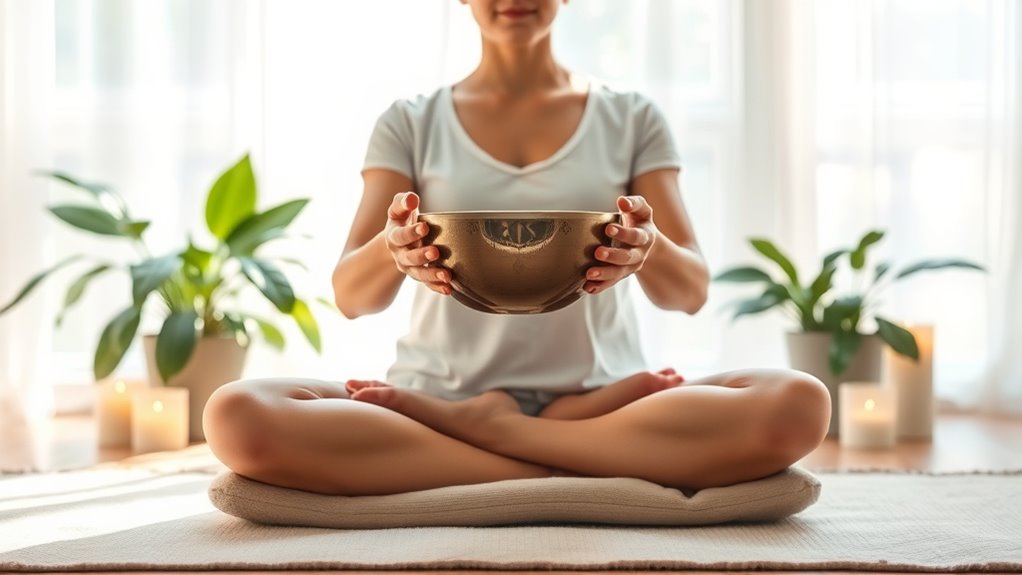

Sound healing offers a simple, effective way to boost your daily wellness by restoring balance to your body’s energy centers or chakras. Using instruments like tuning forks, singing bowls, or vocal sounds, you can promote relaxation, improve mental clarity, and reduce tension. Regular practice helps realign your energy flow, supporting better sleep, immunity, and emotional resilience. Keep exploring how incorporating sound therapy into your routine can enhance your overall well-being and inner peace.
Key Takeaways
- Sound healing uses natural vibrations to promote relaxation, balance chakras, and enhance overall physical and emotional health.
- Regular practice with instruments like singing bowls and tuning forks supports stress reduction and mental clarity.
- Targeted sound frequencies help clear energy blockages, improving energy flow and vitality in daily life.
- Incorporating sound therapy into routines boosts sleep, immune function, and emotional resilience over time.
- Simple techniques, such as sound baths or mindful listening, make sound healing accessible for everyday wellness maintenance.

Sound healing offers a simple yet powerful way to enhance your daily wellness. When you incorporate practices like vibrational therapy, you tap into the natural energy within your body, helping to restore balance and promote overall health. One of the core benefits of sound healing is its ability to facilitate chakra balancing. Your chakras are energy centers that influence your physical, emotional, and spiritual well-being. When these centers are blocked or imbalanced, you might feel stressed, anxious, or physically unwell. Vibrational therapy uses specific sound frequencies to target each chakra, helping to clear blockages and harmonize your energy flow.
As you engage in sound healing, you might notice a shift in how you feel. The vibrations produced by instruments such as tuning forks, singing bowls, or even your voice work directly with your body’s energy fields. These sounds penetrate deep into your tissues and cells, encouraging your chakras to realign and function at their most effective. This process doesn’t require complex techniques; it’s accessible and easy to integrate into your daily routine. Whether you listen to a guided vibrational therapy session or simply focus on the soothing sounds of singing bowls, you’re actively working to restore your energetic balance.
Regularly practicing sound healing can lead to noticeable improvements in your mental clarity, emotional resilience, and physical relaxation. When your chakras are balanced, energy flows freely through your body, reducing tension and promoting a sense of calm. This alignment also supports better sleep, boosts your immune system, and enhances your overall vitality. Over time, these small, consistent sessions can help you develop a heightened awareness of your body’s needs, allowing you to address stress and fatigue more effectively. Energy flow is an essential aspect of maintaining overall wellness through sound healing.
Incorporating sound therapy into your daily routine is straightforward. You might start your mornings with a few minutes of vibrational therapy, listening to sound baths or tuning fork sessions designed for chakra balancing. Alternatively, you can use singing bowls during meditation or wind down in the evening with calming sounds that deepen your relaxation. The key is consistency; the more regularly you practice, the more your body and mind will benefit from the harmonic resonance. Over time, you’ll likely find that sound healing not only improves your energy levels but also cultivates a greater sense of inner peace and harmony, making it an invaluable tool in your daily wellness arsenal.

Handcrafted Tibetan Singing Bowl Set – 3.5” Sound Bowl for Meditation, Sound Healing & Yoga – Healing Instrument with Wooden Striker & Cushion – Authentic Hand-Hammered in Nepal
AUTHENTIC HAND-HAMMERED SOUND BOWL – Each singing bowl is 100% hand-hammered by skilled Nepalese artisans, creating a one-of-a-kind…
As an affiliate, we earn on qualifying purchases.
As an affiliate, we earn on qualifying purchases.
Frequently Asked Questions
Can Sound Healing Replace Traditional Medical Treatments?
Sound healing can’t replace traditional medical treatments, but it can complement them as part of holistic healing. You should view it as an alternative therapy that supports your overall well-being, helping reduce stress and promote relaxation. Always consult your healthcare provider before relying solely on sound healing, especially for serious conditions. Combining conventional medicine with alternative therapies like sound healing can enhance your health journey, but it shouldn’t substitute professional medical advice.
Are There Any Risks or Side Effects From Sound Therapy?
Potential risks and side effects from sound therapy are generally minimal, but you should be cautious if you have certain health conditions. Some individuals might experience dizziness, headaches, or discomfort during sessions. If you’re sensitive to loud sounds or have a history of seizures, consult your healthcare provider first. Always listen to your body, and stop if you feel any adverse effects. Proper guidance can help you enjoy the benefits safely.
How Often Should I Practice Sound Healing for Benefits?
You should practice sound healing regularly to enjoy its full benefits. For most, 3 to 4 times a week hits the sweet spot, but listen to your body and adjust as needed. Consistency is key—think of it as watering a plant; the more you nurture it, the healthier it thrives. ideal sessions usually last 20-30 minutes, helping you stay balanced and relaxed without overdoing it.
Is Sound Healing Suitable for Children or Pregnant Women?
Yes, sound healing can be appropriate for children and pregnant women when using child-friendly sound therapies and prenatal sound healing options. You should select gentle, calming sounds tailored for their needs, and consult with a healthcare provider beforehand. For children, keep sessions short and engaging. Pregnant women benefit from soothing vibrations that promote relaxation. Always prioritize safety and professional guidance to guarantee a positive experience for both children and expectant mothers.
What Specific Sounds or Instruments Are Most Effective?
They say “what you hear is what you get,” and for sound healing, specific instruments work wonders. Crystal bowls produce clear, calming tones, while Tibetan singing bowls offer deep, resonant vibrations. These sounds effectively promote relaxation and balance. Using these instruments during sessions can help you reduce stress and improve your well-being. Incorporate them into your routine, and you’ll notice a positive shift in your overall health and serenity.
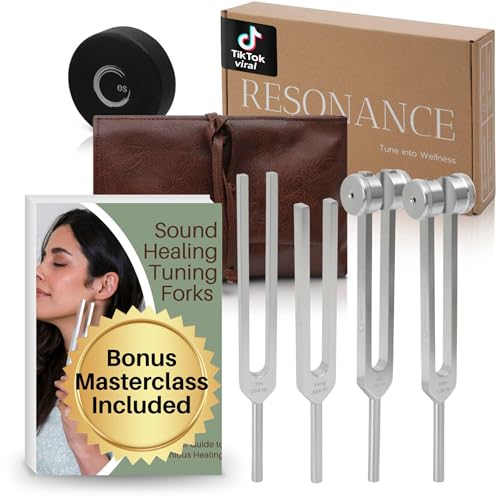
Resonance Tuning Fork for Healing Set – 128Hz, 136.1Hz, 256Hz, 384Hz for Stress Relief, Sleep, Chakra Balance and Nervous System Reset | Activator + Pouch | Weighted & Unweighted
Backed by science: This healing tuning fork set uses 128Hz, 136.1Hz, 256Hz, and 384Hz frequencies that support nitric…
As an affiliate, we earn on qualifying purchases.
As an affiliate, we earn on qualifying purchases.
Conclusion
So, next time your day feels overwhelming, don’t reach for that calming tea or meditation app—try some sound healing instead. Ironically, it’s often the simplest vibrations that have the biggest impact. Who knew that tuning into soothing sounds could be your secret weapon for everyday wellness? So go ahead, embrace the power of sound—you might just find that the chaos quiets down when you start listening. After all, sometimes silence isn’t the answer; it’s the right sound.

YESIE 'Breathing Ball'| Visual Meditation Tool Accessories for Mindfulness| Sound Guided| Calm Down from Stress & Anxiety Relief | Night Lamp for Adults & Kids| Sleep Aid| Remote Control
►[Breathing Lamp for Mindfulness]:Science verified,4-7-8 Calming breath/5-5 Balance breath/4-4-4-4 Box breath,With Speaker,Volume +/-,Visual Meditation tool for Anxiety Relief
As an affiliate, we earn on qualifying purchases.
As an affiliate, we earn on qualifying purchases.

Sound Healing For Beginners: Sonic Medicine for the Body, Chakra Rituals and What They Didn’t Tell You About Vibrational Energy (Sound Healing and Somatic Mindfulness)
As an affiliate, we earn on qualifying purchases.
As an affiliate, we earn on qualifying purchases.