
Seasonal shifts can affect your mood and physical well-being by reducing sunlight exposure, which impacts your Vitamin D levels and disrupts your body’s internal clock. You might feel more tired, less motivated, or experience mood swings. Changes in temperature and daylight can also influence your sleep patterns and energy. Paying attention to these signals and taking proactive steps, like getting outdoor sunlight, helps you maintain balance. Keep exploring to discover ways to support your well-being through seasonal changes.
Key Takeaways
- Reduced sunlight during seasonal shifts lowers Vitamin D levels, impacting mood and energy.
- Shorter days and cooler temperatures can cause feelings of fatigue and decreased motivation.
- Changes in light exposure disrupt circadian rhythms, affecting sleep patterns and overall alertness.
- Physical sensations like feeling colder or sluggish serve as cues to adjust routines and maintain balance.
- Increasing outdoor sunlight exposure and consistent sleep schedules help mitigate seasonal mood and energy fluctuations.

As the seasons change, so do our bodies and minds, often responding to the shifting environment around us. You might notice feeling more tired, less motivated, or experiencing mood fluctuations that seem to come out of nowhere. These changes are natural and tied to how your body adapts to shorter days, less sunlight, and cooler temperatures. One key factor in this seasonal adjustment is Vitamin D. Since your skin produces Vitamin D when exposed to sunlight, a decrease in sun exposure during fall and winter can lead to lower levels of this vital nutrient. Reduced Vitamin D can affect your mood, energy levels, and overall mental well-being, making you feel more sluggish or emotionally unsettled. Recognizing this link is the first step in managing the impact of seasonal shifts on your mind and body.
Seasonal changes can impact your mood and energy through reduced sunlight and Vitamin D levels.
You might find yourself craving more sleep or feeling less enthusiastic about activities you once enjoyed. These mood fluctuations are often connected to changes in your Vitamin D levels, which influence neurotransmitters like serotonin that regulate mood. When sunlight diminishes, your body produces less Vitamin D, and this deficiency has been linked to feelings of depression and anxiety, especially during the darker months. To combat this, consider increasing your outdoor activity during the daylight hours or supplementing with Vitamin D, especially if you’re in a region with limited sunlight. This isn’t just about physical health; it’s about maintaining your mental resilience through the seasonal changes.
Your body also responds to these shifts through physical sensations—feeling colder, less energetic, or more sluggish—signaling that your internal balance needs support. Sleep patterns might shift, and you may find yourself sleeping longer or waking up feeling unrefreshed. These symptoms are signs that your circadian rhythm, the internal clock regulating sleep and wakefulness, is affected by the reduced light exposure. Adjusting your daily routine by getting outside during sunny moments and maintaining a consistent sleep schedule can help you stay aligned with your body’s natural rhythms. Staying mindful of these signals allows you to take proactive steps toward maintaining your overall well-being during seasonal transitions.
Ultimately, understanding how seasonal shifts influence your mind and body helps you respond more effectively. Recognizing the role of Vitamin D and being aware of mood fluctuations empowers you to take simple, practical actions—like soaking up sunlight or considering supplements—to preserve your mental and physical balance. Embrace these natural changes as part of the cycle, and use them as cues to nurture yourself through each season. By doing so, you’ll find it easier to stay grounded, energized, and emotionally steady, no matter how the environment around you shifts. Incorporating awareness of seasonal light exposure can further support your overall health during these periods.

VITAMIN D AND SEASONAL DEPRESSION : Understanding the Science Behind Sunlight, Mood, and Mental Well-Being
As an affiliate, we earn on qualifying purchases.
As an affiliate, we earn on qualifying purchases.
Frequently Asked Questions
How Can I Tell if Seasonal Changes Are Affecting My Mental Health?
You might notice seasonal affective symptoms like mood swings, fatigue, or trouble sleeping, which signal seasonal changes are impacting your mental health. Pay attention if your emotional resilience feels lower, and you struggle to cope with daily stresses. These signs suggest seasonal shifts are affecting you. To manage this, consider light therapy, staying active, and maintaining a routine. If symptoms persist, consult a mental health professional for support.
What Are Quick Ways to Adapt to Seasonal Mood Swings?
You can quickly adapt to seasonal mood swings by increasing your sunlight exposure, which boosts Vitamin D and aids mood regulation. Exercise outdoors, even for a few minutes daily, to help lift your spirits. Maintain a balanced diet rich in mood-boosting nutrients, and consider light therapy if needed. Staying connected with loved ones and practicing mindfulness also support emotional resilience during seasonal changes.
Are There Specific Foods That Help Balance Mind and Body in Different Seasons?
You might notice that certain foods, like warm herbal remedies in winter and fresh fruits in summer, naturally support your mood and energy. Herbal remedies and nutritional timing play key roles in balancing mind and body across seasons. Incorporate warming spices during colder months, and enjoy seasonal produce to boost your well-being. These mindful choices help your body adapt seamlessly, aligning your internal rhythm with the changing seasons.
How Does Daylight Exposure Influence My Seasonal Emotional Health?
Daylight exposure plays a vital role in your seasonal emotional health by influencing mood regulation. When you get enough natural light, your body produces more serotonin, helping you feel happier and more energized. During darker months, consider using light therapy lamps to mimic sunlight, which can boost your mood and combat seasonal affective disorder. Regular outdoor time and light therapy are simple ways to support your emotional balance year-round.
Can Seasonal Shifts Impact Physical Fitness Routines?
Seasonal shifts can throw your physical fitness routine off course, like a boat caught in changing tides. You might find winter workouts more challenging due to colder temperatures, while summer stretching feels like a breeze. These changes can impact your motivation and energy levels. Embracing adaptable workouts and adjusting your schedule helps you stay consistent, ensuring you keep moving regardless of the season.
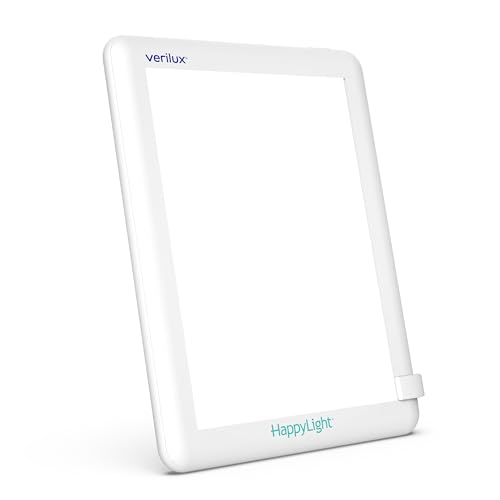
Verilux HappyLight Lucent – One-Touch Light Therapy Lamp with 10,000 Lux, UV-Free, LED Bright White Light & Detachable Stand for Boosting Mood & Improving Sleep
One-Button Light Therapy: The easiest light therapy lamp you’ll ever use! Just press the on/off button and you’re…
As an affiliate, we earn on qualifying purchases.
As an affiliate, we earn on qualifying purchases.
Conclusion
As the seasons gently change, remember that your mind and body are like delicate blooms, quietly adjusting to the subtle shifts in the air. Embrace these moments as opportunities to nurture yourself, allowing the natural rhythm of the year to guide you toward harmony. Sometimes, it’s best to go with the flow and trust that these gentle shifts are simply the universe’s way of helping you find your balance, softly guiding you toward renewal.

MZOO Luxury Sleep Eye Mask for Side Sleeper Men Women, Zero Eye Pressure 3D Sleeping Mask, Light Blocking Patented Design Night Blindfold, Soft Eye Shade Cover for Travel, Black
Zero Eye Pressure: The Deepest 13mm arc-shaped widened eye cups provide makeup-safe space and allow natural blinking
As an affiliate, we earn on qualifying purchases.
As an affiliate, we earn on qualifying purchases.
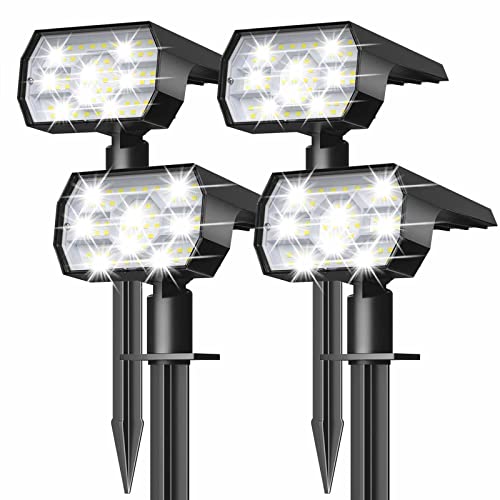
NYMPHY Solar Lights Outdoor Waterproof IP68, 56 LED 3 Lighting Modes Solar Powered Garden Yard Spot Solar Lights for Outside Landscape- 4 Pack (Cool White)
NYMPHY Outdoor Lights 4 Pack: Equipped with 56 amazing LEDs (market leading). Solar outdoor lights will create the…
As an affiliate, we earn on qualifying purchases.
As an affiliate, we earn on qualifying purchases.