
Taking just three minutes for microbreaks can do wonders for your spine, stress levels, and overall comfort. Gently stretch your neck, roll your shoulders back, and practice deep breaths to release tension and improve posture. Movement helps reduce discomfort and boosts focus quickly. Making these easy adjustments regularly supports long-term health and keeps you energized. Keep going, and you’ll discover simple, effective ways to protect your spine and feel refreshed throughout your day.
Key Takeaways
- Incorporate brief shoulder rolls and neck stretches to release tension and improve posture during microbreaks.
- Practice deep, slow breathing exercises to reduce stress and support spinal health.
- Use simple movements like gentle twists or back stretches to reset musculoskeletal alignment.
- Take a 3-minute pause every hour to prevent discomfort and promote long-term spine protection.
- Combine movement and relaxation techniques to enhance focus, reduce fatigue, and maintain spinal well-being.

Have you ever wondered how a tiny pause can boost your productivity and well-being? Taking small breaks throughout your day isn’t just about stepping away from your desk; it’s a powerful way to support your overall health. When you incorporate quick, intentional movements into your routine—especially during microbreaks—you can experience notable improvements in posture and stress relief. These brief pauses are easy to fit into even the busiest schedules and can make a significant difference in how you feel physically and mentally.
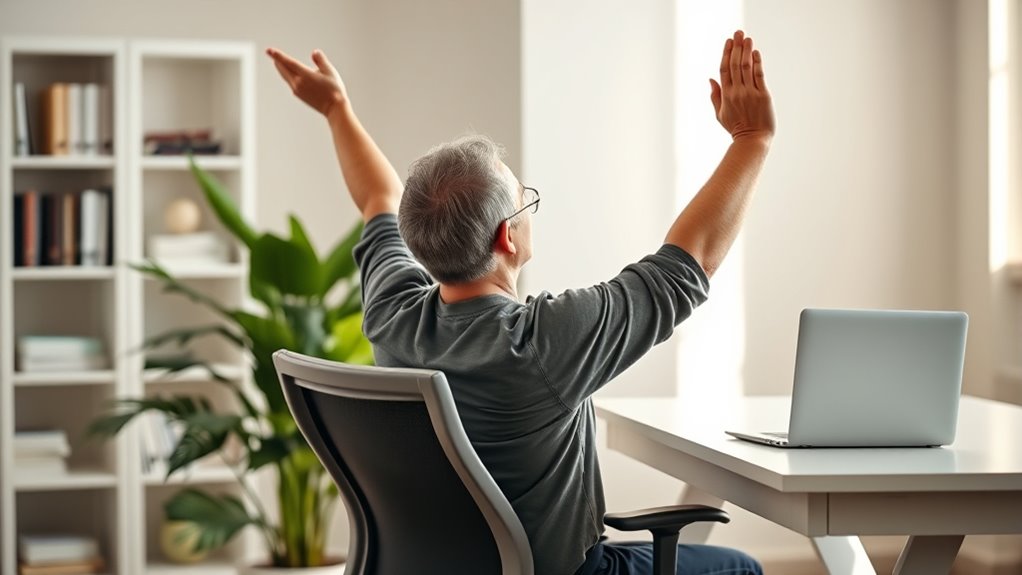
During a three-minute microbreak, focusing on posture improvement can help counteract the effects of prolonged sitting or poor alignment. You might start by gently rolling your shoulders back and down to release tension and encourage better spinal alignment. Stretching your neck side to side or gently tilting your head can also alleviate stiffness and promote better posture. These simple movements help reset your musculoskeletal system, reducing strain on your spine and preventing long-term discomfort. By consciously maintaining proper posture during these brief intervals, you reinforce healthy habits that protect your spine even when you’re back at your desk. Incorporating AI safety measures and awareness of vulnerabilities can help ensure that your health routines remain effective and secure.
A three-minute microbreak with shoulder rolls and neck stretches can improve posture and reduce long-term discomfort.
Stress relief is another essential benefit of microbreaks. When you pause, you give yourself a moment to breathe deeply and reset your mind. Try inhaling slowly through your nose, holding for a couple of seconds, then exhaling fully through your mouth. This quick breathing exercise can lower cortisol levels and reduce feelings of anxiety or irritability. Incorporating gentle stretches or even a short walk around your workspace can help release built-up tension, both physically and mentally. These movements stimulate circulation and help clear your mind, allowing you to return to your tasks with renewed focus and calm.
The key is consistency. Making it a habit to take a three-minute break every hour or so guarantees you regularly support your posture and stress management. You don’t need special equipment or a lot of space—just a willingness to pause and move intentionally. These micro-movements serve as active recovery, breaking the cycle of static positions that can lead to discomfort and fatigue. Over time, you’ll notice fewer aches and a more relaxed attitude, which boosts your productivity and overall well-being.
Incorporating these quick, targeted movements into your day transforms a simple pause into a powerful tool for health. They’re easy to do, require minimal effort, and deliver maximum benefits. With just a few minutes of mindful activity, you can protect your spine, reduce stress, and keep your energy levels high—all vital for long-term success and happiness.
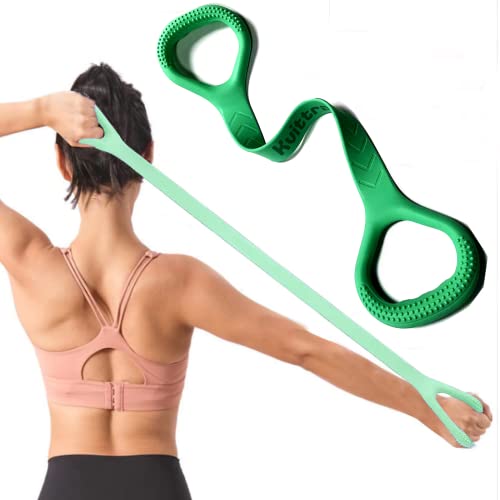
Kvittra Figure 8 Resistance Band, Arm Back Shoulder Exercise Elastic Rope Stretch Fitness Band, Foot, Leg, Hand Stretcher, Arm Exerciser for Yoga Pilates Stretching Physical Therapy, Home Gym Workout
- Material: Natural latex for durability and elasticity
- Design: 8-shaped manual exercise band with massage points
- Anti-Skid: Non-slip handle for comfortable grip
As an affiliate, we earn on qualifying purchases.
As an affiliate, we earn on qualifying purchases.
Frequently Asked Questions
Can Microbreaks Improve Long-Term Posture?
Microbreaks can definitely improve your long-term posture. By taking short breaks to do stretching routines, you give your muscles a chance to relax and reset. Incorporating ergonomic adjustments during these microbreaks guarantees you’re maintaining proper alignment. Over time, these small habits can prevent strain, reduce discomfort, and promote better posture, making it easier to stay healthy at your desk or workspace.
Are Microbreaks Effective for All Age Groups?
You might wonder if microbreaks work for everyone. The truth is, they’re pretty adaptable across age groups, thanks to their simplicity and flexibility. Whether you’re young or older, your activity levels influence how often you should take breaks, but microbreaks remain effective for all. They help reduce strain, improve posture, and boost focus, making them a practical tool regardless of your age or daily activity demands.
What if I Experience Pain During Movements?
If you experience pain during movements, don’t ignore it. Instead, focus on pain management and prioritize movement safety. Stop the activity immediately and assess what might be causing the pain. Consider gentle stretches or alternative movements that don’t aggravate your discomfort. If pain persists, consult a healthcare professional to guarantee proper care. Remember, listening to your body helps prevent injury and promotes safe, effective movement.
How Often Should Microbreaks Be Scheduled Daily?
You should schedule microbreaks every 30 to 60 minutes during your workday. During these breaks, incorporate stretching routines to relieve tension and avoid discomfort. Using ergonomic accessories can help maintain proper posture, reducing strain. Taking consistent microbreaks guarantees your spine stays protected and your muscles stay relaxed. Make it a habit to step away from your desk regularly, promoting better overall health and preventing pain.
Do Microbreaks Benefit Specific Spinal Conditions?
Microbreaks can notably benefit specific spinal conditions by enhancing spinal flexibility and reducing strain. When you take short breaks regularly, you give your muscles a chance to relax and improve posture. Incorporating ergonomic adjustments during these breaks supports spinal health, helping to prevent discomfort and injury. By making microbreaks a routine, you actively promote better spinal function and resilience, especially for those with existing spinal issues or who spend long hours sitting.

Samsonite Lumbar Support Pillow for Office Chair, Lower Back Support for Car, Back Pillow Desk Chair Cushion with Memory Foam, Improved Posture Backrest
- All-Day Comfort: Memory foam contours to your spine
- Adjustable and Secure: Fits with adjustable straps for stability
- Enhanced Airflow: Ventilated mesh cover promotes cooling
As an affiliate, we earn on qualifying purchases.
As an affiliate, we earn on qualifying purchases.
Conclusion
Now, imagine taking just three minutes to pause, your body gently unwinding like a soft breeze. These quick movements act as tiny shields, cradling your spine like a protective embrace. With each microbreak, you’re painting a picture of resilience and ease, transforming your workspace into a sanctuary of health. Embrace these moments, and watch your spine flourish—strong, flexible, and ready to carry you through every day with renewed importance.

Docemel Back Stretcher for Lower Back Pain Relief,Adjustable Inversion Lumbar Traction Device,Lumbar Support Board for Spinal Decompression and Scoliosis,Sciatic Nerve Release Tool,Back Cracker Board
- Versatile Lumbar Support: Relieves sciatic nerve and lower back pain
- Adjustable Inflatable Airbag: Customize arch height for comfort and stretch
- Relieves Spinal Discomfort: Eases sciatica, herniated discs, scoliosis pain
As an affiliate, we earn on qualifying purchases.
As an affiliate, we earn on qualifying purchases.

YeeBeny Breathing lamp Guided 3 Color 478s Meditation for Stress Relief
- Breathing Lamp Function: Reduces stress and promotes relaxation
- Material: Made of soft silicone for comfort
- Design: Elegant white appearance for decor
As an affiliate, we earn on qualifying purchases.
As an affiliate, we earn on qualifying purchases.