

TL;DR
A recent study indicates that long-term melatonin supplementation could be associated with a 90% higher risk of heart failure. The findings are preliminary and require further validation. Health authorities advise caution until more evidence is available.
Recent research suggests that long-term use of melatonin supplements may be associated with a 90% higher risk of heart failure. The study’s findings have raised concerns among healthcare professionals and the public, although experts caution that the evidence is preliminary and further research is needed to confirm the link. This development matters because melatonin is widely used for sleep disorders, and any potential health risks could impact millions of users worldwide.
The study, conducted by researchers at a major medical institution, analyzed health records of thousands of individuals over several years. It found that those who used melatonin supplements regularly for extended periods—defined as more than six months—had a significantly higher incidence of heart failure compared to non-users. The increased risk was quantified at approximately 90%, according to the preliminary analysis. The researchers emphasized that this correlation does not necessarily imply causation but highlights a potential safety concern that warrants further investigation.
Health authorities and experts have responded cautiously. For more on how cannabis use can impact health, see Cannabis Users Face Substantially Higher Risk Of Heart Attack (2025). The Food and Drug Administration (FDA) has stated that the findings are noteworthy but require validation through additional studies. Meanwhile, some cardiologists advise patients to consult healthcare providers before initiating or continuing long-term melatonin use, especially those with existing cardiovascular conditions. The study’s authors noted that mechanisms behind the potential link are not yet understood, and they called for more rigorous, controlled research to verify these initial observations.
Potential Public Health Implications of Long-term Melatonin Use
If confirmed, the association between prolonged melatonin use and increased heart failure risk could have significant public health implications. Melatonin is among the most popular over-the-counter sleep aids, especially among adults seeking natural or non-pharmaceutical options. An elevated risk of heart failure could lead to a reassessment of safety guidelines, usage recommendations, and regulatory oversight for melatonin supplements. Healthcare providers might need to monitor patients more closely and advise caution for long-term users. The findings also raise questions about the safety of other supplements with similar usage patterns.
However, experts emphasize that the current evidence is preliminary. The study’s observational nature means it cannot definitively establish causality, and confounding factors may influence the results. Nonetheless, the potential link underscores the importance of rigorous research and cautious use of widely available supplements.
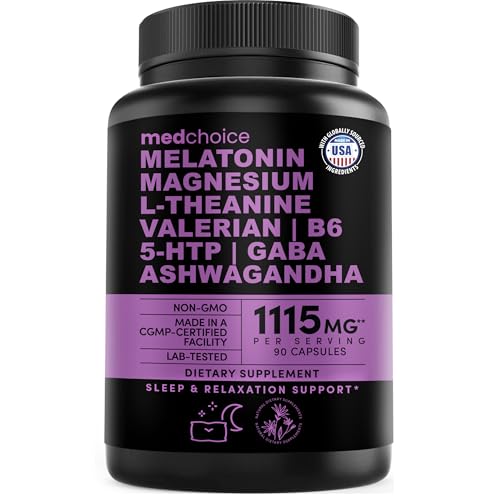
MEDCHOICE 12-in-1 Melatonin 5mg Sleep Capsules with Magnesium, 90ct
- Improved Non-Habit Forming Formula: Supports restful sleep naturally
- Powerful Sleep Ingredients: Contains melatonin, magnesium, ashwagandha, and black pepper
- Feel the Benefits: Promotes calmness and relaxation for better sleep
As an affiliate, we earn on qualifying purchases.
As an affiliate, we earn on qualifying purchases.
Increased Interest and Ongoing Research on Melatonin Safety
Public and scientific interest in melatonin has surged in recent years, driven by its popularity as a sleep aid and its perception as a natural supplement. Search interest spiked following the release of the recent study, reflecting growing concern among consumers and healthcare professionals. Historically, melatonin has been considered safe for short-term use, with limited evidence of serious adverse effects. However, long-term safety data remain sparse, and regulatory oversight varies by country.
The current trend toward increased supplement consumption has prompted calls for more comprehensive safety evaluations. The recent findings add to a growing body of debate about the potential risks of prolonged supplement use, especially among vulnerable populations such as older adults and those with pre-existing health conditions. Researchers and regulatory agencies are now prioritizing further studies to clarify the safety profile of melatonin over extended periods.
As an affiliate, we earn on qualifying purchases.
Unconfirmed Causality and Need for Further Research
It is not yet clear whether long-term melatonin use directly causes increased heart failure risk. The current study shows a correlation but cannot prove causation. Factors such as underlying health conditions, lifestyle, or concurrent medication use may influence the observed association. Researchers stress that additional controlled, prospective studies are necessary to determine whether melatonin itself contributes to the increased risk or if other confounding variables are involved. Regulatory agencies have yet to issue formal safety warnings based on these findings, and the evidence remains preliminary.
As an affiliate, we earn on qualifying purchases.
Further Studies and Regulatory Review Expected
Researchers plan to conduct more rigorous, controlled trials to verify the potential link between long-term melatonin use and heart failure. Regulatory agencies, including the FDA and equivalent bodies worldwide, are expected to review the emerging data and may issue updated guidelines or warnings if the findings are confirmed. Healthcare providers are advised to monitor their patients’ use of melatonin, especially those with cardiovascular risk factors. Public health campaigns may also emerge to inform consumers about the current evidence and encourage cautious use of supplements.
As an affiliate, we earn on qualifying purchases.
Key Questions
Does this mean I should stop taking melatonin?
Not necessarily. The current evidence is preliminary, and experts recommend consulting your healthcare provider before making changes to your supplement routine, especially if you have existing health conditions.
How strong is the evidence linking melatonin to heart failure?
The evidence is based on observational data showing a correlation, but causality has not been established. More research is needed to confirm these findings.
Are there known risks of short-term melatonin use?
Short-term use of melatonin is generally considered safe for most people, with few reported adverse effects. Long-term safety remains less clear.
What should people with heart conditions do?
Individuals with pre-existing heart conditions should consult their healthcare providers before using melatonin regularly, especially over extended periods.
When will more definitive information be available?
Further controlled studies are underway, and regulatory agencies are expected to review new data in the coming months. Definitive guidance will depend on these ongoing investigations.
Source: rss