Staying well-hydrated is key to supporting your emotional well-being, helping you feel more balanced and resilient. When you drink enough water, you support brain function, mood regulation, and hormonal balance, which keeps stress and irritability at bay. Ignoring hydration signals can lead to fatigue and mood dips. By paying attention to your body’s cues and making hydration part of your routine, you can boost your mental clarity and emotional strength—learn more ways to prioritize this in your daily life.
Key Takeaways
- Proper hydration supports emotional stability, mood regulation, and cognitive clarity.
- Dehydration can lead to fatigue and irritability, negatively impacting emotional resilience.
- Mindfulness of thirst signals encourages proactive hydration, boosting mental well-being.
- Staying hydrated helps manage stress and maintain a positive outlook during daily challenges.
- Consistent water intake enhances hormonal balance and brain function, promoting overall emotional health.
Staying well-hydrated is more than just good for your body—it can also markedly impact your emotional well-being. When you pay attention to your hydration levels, you’re not only supporting physical health but also creating a foundation for better mood regulation and mental clarity. One effective way to do this is by integrating mindfulness strategies into your daily routine. Mindfulness encourages you to become aware of your body’s signals, including feelings of thirst and dehydration, so you can respond promptly rather than neglecting these cues. As you practice mindfulness strategies, you learn to recognize when you’re starting to feel sluggish or irritable, which might be early signs that your hydration needs are unmet. This awareness allows you to act intentionally, drinking water before discomfort escalates, thereby preventing mood dips caused by dehydration.
Pay attention to your body’s signals to maintain hydration and support emotional well-being.
Incorporating simple hydration tips into your day can make a noticeable difference. For example, setting regular reminders to drink water can help you stay consistent, especially during busy or stressful times. Using a reusable water bottle and keeping it within reach creates a visual cue that encourages regular intake. Another hydration tip is to enhance your water with natural flavorings like lemon, cucumber, or mint, making it more appealing and easier to consume consistently. Remember, hydration isn’t just about drinking water; foods with high water content, like fruits and vegetables, also contribute substantially to your overall fluid intake. Including these in your meals can boost your hydration without additional effort. Additionally, understanding the importance of hydration and emotional well-being can motivate you to prioritize fluid intake as part of your self-care routine.
Focusing on hydration also ties into your emotional resilience. When you’re dehydrated, you might find it harder to manage stress or stay positive, as dehydration can cause fatigue and irritability. By maintaining proper hydration, you support your brain function and hormonal balance, which are essential for emotional stability. To reinforce this, you can develop routines that combine mindfulness strategies with hydration tips—such as taking a moment to breathe deeply and drink water when you notice tension building. This practice not only helps soothe your mind but also ensures you’re physically replenished.
Ultimately, paying attention to your hydration isn’t just a health habit; it’s a mindful act that nurtures your emotional well-being. Small, consistent efforts—like listening to your body’s signals, staying aware of hydration tips, and incorporating mindfulness strategies—can lead to a more balanced, resilient emotional state. When you prioritize hydration, you’re giving your mind and body the support they need to handle daily stresses with greater ease.

ZAKVOP 32oz Water Bottle with Times to Drink, Lightweight Motivational Water Bottle with Time Marker, BPA Free Reusable Water Bottle with Hydrating Reminder for Gym Fitness Workout Travel
【Sleek Look】The beautiful frosted appearance makes the cute water bottle perfect for your workout, outdoors activities, hiking, biking,…
As an affiliate, we earn on qualifying purchases.
As an affiliate, we earn on qualifying purchases.
Frequently Asked Questions
Can Hydration Levels Affect Mental Clarity and Concentration?
Yes, your hydration levels can considerably affect mental clarity and concentration. When you’re dehydrated, electrolyte balance gets disrupted, which impairs cognitive function. This can lead to difficulty focusing, forgetfulness, and slower thinking. Staying properly hydrated helps maintain electrolyte levels, ensuring your brain functions ideally. Drinking enough water and replenishing electrolytes when needed keeps your mind sharp, alert, and ready to perform at your best throughout the day.
How Does Dehydration Influence Emotional Stability Throughout the Day?
Dehydration acts like a storm disrupting your emotional weather, causing fluctuations in your mood. It throws off your electrolyte balance and hampers hormonal regulation, making you prone to irritability or anxiety. When you’re dehydrated, your emotional stability weakens, like a fragile boat in rough waters. Staying hydrated helps steady this storm, maintaining hormonal harmony and electrolyte balance, so you can navigate your day with calm and resilience.
Are There Specific Beverages That Better Support Emotional Health?
Yes, certain beverage choices support your emotional health better. Opt for water as your primary hydration method, since it keeps your mood stable and reduces anxiety. Herbal teas like chamomile or green tea can boost relaxation and focus. Avoid excessive caffeine, which may cause mood swings. Incorporate these hydration methods and beverage choices into your daily routine to help maintain emotional balance and improve overall well-being.
What Are Signs of Chronic Dehydration Impacting Mood?
Chronic dehydration can cause mood fluctuations and other dehydration symptoms, affecting your mental health. Studies show that even mild dehydration can impair cognitive function and emotional stability. You might notice irritability, fatigue, or difficulty concentrating, which are signs dehydration impacts your mood. If these symptoms persist despite enough rest, consider increasing your water intake, as staying hydrated is essential for maintaining emotional balance and overall well-being.
Can Drinking Water Improve Symptoms of Anxiety or Depression?
Drinking more water can help improve symptoms of anxiety or depression by supporting your hydration habits. Proper water intake keeps your brain functioning at its best, reducing feelings of fatigue and irritability. When you stay well-hydrated, you may notice better mood regulation and increased mental clarity. While hydration alone isn’t a cure, maintaining good hydration habits can positively influence your emotional well-being and help manage these symptoms effectively.

Pure Inventions – Coconut Water Infusion Drops – Electrolytes – Sugar-Free Hydration, Zero Calories, No Artificial Sweeteners, Clean Ingredients, 30 Servings
ELECTROLYTES – Rich in nutrients, our water infusion drops are a way to instantly support all-day hydration by…
As an affiliate, we earn on qualifying purchases.
As an affiliate, we earn on qualifying purchases.
Conclusion
Staying hydrated isn’t just about physical health—it notably boosts your emotional well-being too. Did you know that even mild dehydration can negatively affect your mood and cognitive function? By drinking enough water, you can help keep stress levels down and improve your overall sense of happiness. So, next time you’re feeling overwhelmed, reach for a glass of water first. It’s a simple step that can make a big difference in how you feel throughout the day.

BOOST Smart Water Bottle that Reminds You to Drink, 24oz BPA-Free Stainless Steel Vacuum Insulated, Wide Mouth Water Tracker Bottle with APP for School, Gym, Office, Ideal for Mother's Day
IDEAL GIFTS FOR FESTIVAL: Given its combination of smart features, excellent insulation, and stylish design, the BOOST Smart…
As an affiliate, we earn on qualifying purchases.
As an affiliate, we earn on qualifying purchases.
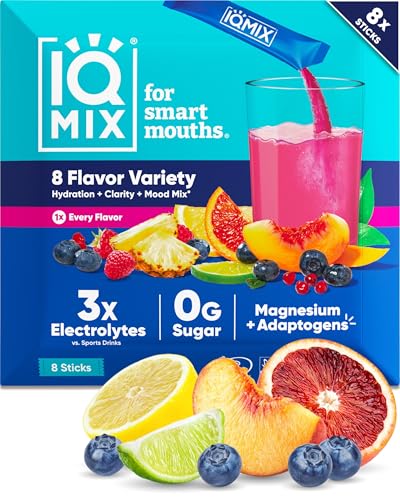
IQMIX Hydration Electrolyte Powder – 4-in-1 Formula for Hydration, Mental Clarity, Mood & Recovery – Sugar-Free, Keto Drink Mix with Magnesium L-Threonate & Lion’s Mane – 8-Count Sampler (All Flavors)
INSTANT HYDRATION ELECTROLYTES POWDER PACKETS: IQMIX rapidly rehydrates while boosting energy, focus, and mental clarity. Tastes better than…
As an affiliate, we earn on qualifying purchases.
As an affiliate, we earn on qualifying purchases.