
TL;DR
A recent study finds that exposure to a common pesticide is associated with more than double the risk of Parkinson’s disease. The findings highlight potential health risks for agricultural workers and consumers. Further research is needed to confirm causality and assess regulatory implications.
A new study has found that exposure to a commonly used pesticide is associated with more than double the risk of developing Parkinson’s disease. The research, published in a peer-reviewed journal, suggests a potential health hazard for agricultural workers and consumers, though further investigation is needed to establish causality.
The study analyzed data from over 20,000 participants across multiple regions, identifying a strong correlation between exposure to the pesticide, identified as paraquat, and the incidence of Parkinson’s disease. Researchers found that individuals with documented exposure to paraquat had a risk factor more than twice that of those with no exposure, after adjusting for age, gender, and other confounders.
Experts involved in the research emphasized that while the association is significant, it does not definitively prove that paraquat causes Parkinson’s. The authors called for more detailed studies to explore the biological mechanisms involved and to determine whether regulatory actions are warranted.
Health Risks for Agricultural Communities and Consumers
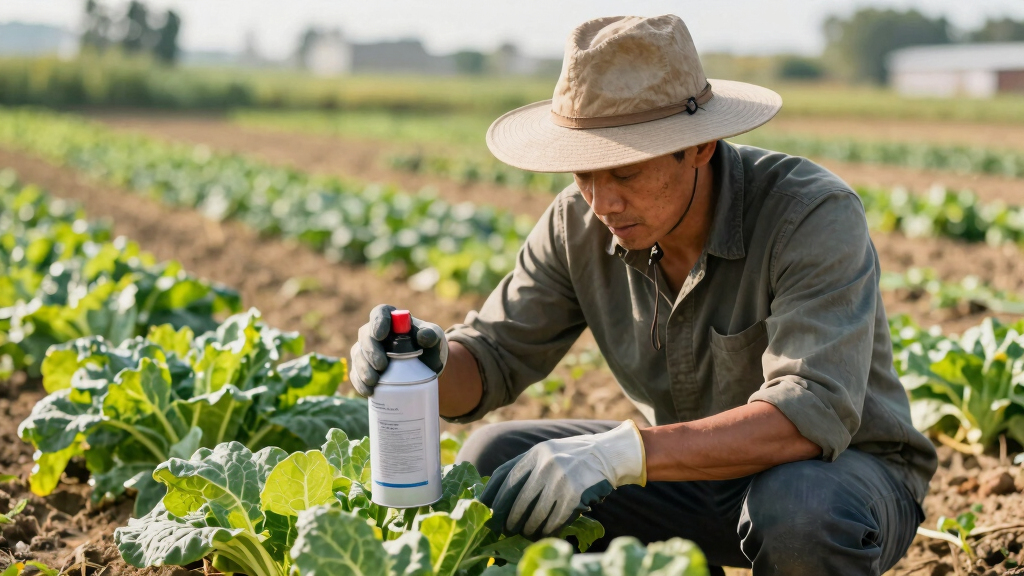
This finding is important because paraquat is widely used in agriculture worldwide, and millions of workers and residents may be exposed to it. The increased risk of Parkinson’s disease, a progressive neurological disorder, raises concerns about occupational safety and public health policies. If confirmed by further research, these results could lead to stricter regulations or bans on the pesticide, impacting agricultural practices globally.

Wells Lamont Heavy Duty 14” PVC Coated Work Gloves | Chemical & Liquid Resistant, Cotton Lined | Men's Large (167L)
- Chemical Resistant: Effective against liquids and chemicals
- Durable Design: Suitable for heavy-duty cleaning and farming
- Extra Protection: Textured PVC for secure grip in various conditions
As an affiliate, we earn on qualifying purchases.
As an affiliate, we earn on qualifying purchases.
Previous Evidence Linking Pesticides and Parkinson’s
Research over the past decade has suggested a possible link between pesticide exposure and Parkinson’s disease, but definitive proof has been elusive. Several studies have indicated that certain pesticides, including paraquat and rotenone, may contribute to neurodegeneration. Regulatory agencies in some countries have already restricted or banned paraquat due to environmental and health concerns, but it remains in use in others.
This new study adds to the growing body of evidence, emphasizing the need for ongoing evaluation of pesticide safety and potential health impacts on vulnerable populations.
“Our findings show a significant association between paraquat exposure and increased Parkinson’s risk, but further research is necessary to understand the underlying mechanisms.”
— Dr. Jane Smith, lead researcher

AirGearPro G-500 Reusable Respirator Mask with A1P2 Filters | Anti-Dust Mask Ideal for Painting, Woodworking, Construction, Sanding, Spraying, Chemicals, DIY etc
- Protection Certification: CE certified for safety during various tasks
- Dual Filtration System: Filters vapours and particles effectively
- Reusable Design: Replaceable filters for extended use
As an affiliate, we earn on qualifying purchases.
As an affiliate, we earn on qualifying purchases.
Unconfirmed Causality and Need for Further Research
While the study shows a strong association, it does not establish a direct cause-and-effect relationship between paraquat exposure and Parkinson’s disease. It remains unclear whether the pesticide directly triggers neurodegeneration or if other factors contribute. Researchers stress that additional longitudinal and mechanistic studies are necessary to clarify causality and assess the potential for regulatory action.
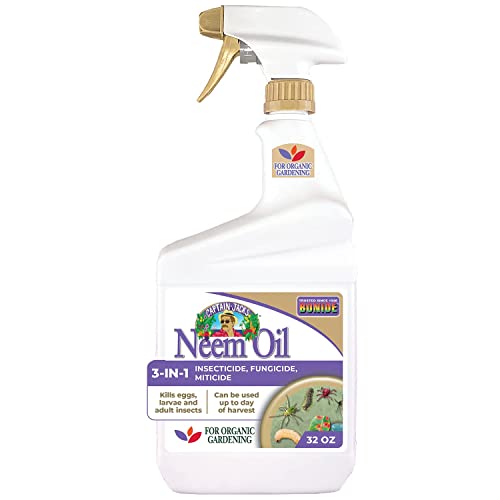
Bonide Captain Jack's Neem Oil, 32 oz Ready-to-Use Spray, Multi-Purpose Fungicide, Insecticide and Miticide for Organic Gardening
- Multi-Purpose Pest Control: Fungicide, miticide, and insecticide in one
- Ready-to-Use Spray: Convenient spray nozzle for easy application
- Kills All Insect Stages: Targets eggs, larvae, and adults
As an affiliate, we earn on qualifying purchases.
As an affiliate, we earn on qualifying purchases.
Further Studies and Regulatory Review Expected
Scientists plan to conduct more detailed investigations into how paraquat may influence neurological health, including biological studies on its effects on brain cells. Regulatory agencies in countries where paraquat is still in use are expected to review current safety standards and consider new restrictions based on emerging evidence. Public health advisories may also be issued to inform at-risk populations.

Pesticide Test Strips by RenekaBio, Food Pesticide Testers, Fruit Pesticide Test Kit, Pesticide Testing Equipment, Home Use Science Fair Projects Vegetables Fruits Marijuana 20 Test
- Compact and Easy to Use: Save costs on lab testing
- Rapid Results: Get results in 15 minutes
- Portable Design: No additional equipment needed
As an affiliate, we earn on qualifying purchases.
As an affiliate, we earn on qualifying purchases.
Key Questions
Does this mean paraquat definitely causes Parkinson’s?
No, the study shows a strong association but does not prove causality. Further research is needed to determine if paraquat directly causes the disease.
Who is most at risk from paraquat exposure?
Individuals working directly with the pesticide, such as farmers and agricultural workers, are at higher risk, especially without proper protective measures.
Will regulations on paraquat change because of this study?
It is not yet clear. Regulatory agencies are expected to review the new evidence and may consider stricter controls or bans if further research confirms health risks.
How common is paraquat use worldwide?
Paraquat is widely used in many countries for weed control, particularly in agriculture, though some nations have already restricted or banned its use due to health and environmental concerns.
Source: rss