For most people seeking a standalone VR meditation headset, I’d start with the Meta Quest 3 512GB: its sharper display and mixed-reality features make it the strongest all-around fit for guided sessions and immersive environments. The Quest 3S 256GB is a more accessible entry point, while the HTC VIVE Focus 3 offers a more specialized option for buyers who prioritize enterprise-oriented hardware. The main tradeoffs are visual clarity, comfort, storage, and how much you want to spend on features beyond meditation. A bundled Quest 3 with GOLF+ adds a game rather than a meditation benefit, so compare it with the standard Quest 3 based on the extras you actually want. Read on for the full comparison and help matching a headset to your sessions.

Turn your wind-down time into listening time
- Thousands of audiobooks, podcasts and originals
- Listen on your phone, tablet or Echo — also offline
- Cancel anytime
Complete the kit

Key Takeaways
- Quest 3 is the strongest general-purpose pick: its higher-resolution display and mixed-reality capability give it an advantage for both virtual environments and room-aware experiences.
- Quest 3S favors access over visual refinement: it keeps the standalone format and broad Quest ecosystem, but its display and lens system are a step down from Quest 3.
- The two Quest 3 listings serve different bundle preferences, not different core headset needs: choose the GOLF+ version only if that game bundle appeals to you.
- Quest 2 remains a basic entry route, but it is an older generation: buyers should weigh its lower storage against its more dated hardware and future support considerations.
- VIVE Focus 3 is the specialist option: its enterprise-oriented design may suit particular professional or shared-use settings, but most home meditation buyers may prefer the more consumer-focused Quest lineup.
| Meta Quest 3 512GB VR Headset with GOLF+ |  | Best Overall for Meditation and Mixed Reality | Storage: 512 GB | Memory: 8 GB RAM | Processor: Snapdragon XR2 Gen 2 | VIEW ON AMAZON | See Our Full Breakdown |
| Meta Quest 2 — Advanced All-In-One Virtual Reality Headset — 128 GB |  | Best for VR Beginners | Storage: 128 GB | Type: All-in-one VR headset | Wireless: Yes | VIEW ON AMAZON | See Our Full Breakdown |
| Meta Quest 3 512GB VR Headset |  | Best for a Large App Library | Storage: 512 GB | Processor: Snapdragon XR2 Gen 2 | RAM: 8 GB | VIEW ON AMAZON | See Our Full Breakdown |
| Meta Quest 3S 256GB Wireless VR Headset |  | Best Mid-Storage Standalone Pick | Storage: 256 GB | RAM: 8 GB | Processor: Snapdragon XR2 Gen 2 | VIEW ON AMAZON | See Our Full Breakdown |
| HTC VIVE Focus 3 Standalone VR Headset |  | Best for Wide-View Immersion | Display resolution: 5120 × 2880 | Refresh rate: 90 Hz | Field of view: 120 degrees | VIEW ON AMAZON | See Our Full Breakdown |
| Meta Quest 3S 256GB VR Headset (Renewed Premium) |  | Best Renewed Standalone Pick for Mixed-Reality Meditation | Brand: Meta | Model: Quest 3S | Storage: 256 GB | VIEW ON AMAZON | See Our Full Breakdown |
| vr meditation headsets standalone | Storage | Processor | Refresh rate | Battery life |
|---|---|---|---|---|
| Meta Quest 3 512GB VR Headset | 512 GB | Snapdragon XR2 Gen 2 | 120 Hz | Approximately 2.2 hours |
| Meta Quest 2 | 128 GB | — | — | — |
| Meta Quest 3 512GB VR Headset | 512 GB | Snapdragon XR2 Gen 2 | — | More than 2 hours |
| Meta Quest 3S 256GB Wireless V | 256 GB | Snapdragon XR2 Gen 2 | 60 Hz | More than 2 hours |
| HTC VIVE Focus 3 Standalone VR | — | — | 90 Hz | — |
| Meta Quest 3S 256GB VR Headset | 256 GB | — | — | — |
More Details on Our Top Picks
Meta Quest 3 512GB VR Headset with GOLF+
The Quest 3 with GOLF+ is my strongest all-around pick for standalone meditation because its wireless setup pairs a broad-use headset with a 4128 × 2208-pixel display and full-color passthrough. That passthrough can help meditation apps blend calming visuals with your actual room, while the Snapdragon XR2 Gen 2 and 8 GB of RAM support responsive standalone use. Compared with the Quest 2, it offers more storage and newer mixed-reality hardware, making it a better fit for buyers who want meditation alongside other immersive activities. The included golf content is an extra, not a meditation feature, and claiming it requires the Meta Horizon app. Its listed battery life of about 2.2 hours also limits long sessions before recharging. I’d choose it for versatility, not for marathon guided practice.
Pros:- Wireless standalone use avoids a PC or console connection.
- Full-color passthrough supports mixed-reality experiences in the room.
- 512 GB storage leaves more room for apps than the Quest 2’s 128 GB.
- Snapdragon XR2 Gen 2 processor and 8 GB RAM support responsive operation.
Cons:- Listed battery life is approximately 2.2 hours, which can interrupt extended sessions.
- GOLF+ must be claimed through the Meta Horizon app and is not meditation content.
Best for: Buyers who want a current standalone headset for meditation, mixed-reality relaxation, and other VR activities, with ample room for apps.
Not ideal for: People who want long sessions without charging or a headset dedicated to meditation rather than a broader VR library.
- Storage:512 GB
- Memory:8 GB RAM
- Processor:Snapdragon XR2 Gen 2
- Resolution:4128 × 2208 pixels
- Resolution per eye:2064 × 2208 pixels
- Refresh rate:120 Hz
- Battery life:Approximately 2.2 hours
- Included content:GOLF+ with 1,800 in-game credits
Our verdict“Choose this Quest 3 bundle if you want a versatile standalone headset with modern passthrough and storage for more than meditation apps.”
Meta Quest 2 — Advanced All-In-One Virtual Reality Headset — 128 GB
The Meta Quest 2 is a straightforward entry point for someone curious about guided VR relaxation who wants an all-in-one headset rather than a PC-dependent setup. It includes controllers, a built-in battery, and wireless operation, so a first-time user can get started without buying a separate computer or console. Compared with the Quest 3 512GB models, its main compromise is clear: 128 GB of storage leaves less room for a growing library, and the supplied details do not list the newer mixed-reality display or full-color passthrough features. Hand tracking and 3D audio can suit guided sessions, but the product information does not establish meditation-specific software or comfort advantages. I’d pick it for simple entry into standalone VR, while buyers who want more room and newer features should look to the Quest 3.
Pros:- All-in-one wireless design works without a PC or console.
- Controllers are included for interacting with VR apps.
- Hand tracking and 3D audio support varied interaction and immersive sound.
- Portable setup can be used in different suitable play spaces.
Cons:- 128 GB storage is more limited than the 256 GB and 512 GB options in this lineup.
- The supplied product details do not list newer Quest 3 mixed-reality features.
- A designated clear space is needed for safe movement, and mature content may call for parental oversight.
Best for: First-time VR users who want a wireless headset for guided meditation and a modest collection of other apps without needing a PC.
Not ideal for: People building a large app library, seeking newer mixed-reality features, or needing a headset with a stated long-session battery specification.
- Storage:128 GB
- Type:All-in-one VR headset
- Wireless:Yes
- Battery:Built-in
- Controllers:Included
- Platform:Quest 2
Our verdict“Choose the Quest 2 as a basic standalone starting point if you value simple setup over the newer features and larger storage of the Quest 3.”
Meta Quest 3 512GB VR Headset
For meditation buyers who plan to keep several environments, guided programs, and unrelated VR apps installed, the Quest 3 512GB offers the most storage in this group. Its Snapdragon XR2 Gen 2 processor, 8 GB of RAM, and 4K-class display make it a more capable general-purpose option than the Quest 2, while wireless use keeps sessions free of a PC tether. Dual RGB passthrough cameras also bring mixed-reality experiences into the room, a useful distinction from the older Quest 2. Compared with the Quest 3S 256GB, this model doubles the listed storage, though the provided specs do not give enough detail to claim a particular comfort or meditation advantage. The stated battery life is just over two hours, so I’d avoid it for extended sessions without charging nearby.
Pros:- 512 GB storage supports a larger installed app collection than the Quest 3S 256GB.
- Snapdragon XR2 Gen 2 processor and 8 GB RAM provide capable standalone hardware.
- Dual RGB cameras support full-color passthrough mixed reality.
- Wireless operation allows use without a PC tether.
Cons:- Battery life is listed as just over two hours, which can constrain longer practice.
- Its extra storage may be unnecessary for buyers using only a few meditation apps.
- The supplied product information does not establish a meditation-specific app bundle.
Best for: VR users who want to keep a substantial meditation and entertainment app library installed on one standalone headset.
Not ideal for: People who need lengthy sessions between charges, or who only plan to install a few apps and do not need 512 GB.
- Storage:512 GB
- Processor:Snapdragon XR2 Gen 2
- RAM:8 GB
- Display:4K Infinite Display
- Field of view:110 degrees
- Battery life:More than 2 hours
- Connectivity:Wi-Fi, USB Type-C
- Tracking:Inside-out tracking
Our verdict“Pick this Quest 3 if you want the largest listed storage capacity and a versatile standalone headset, but not if long battery life is your priority.”
Meta Quest 3S 256GB Wireless VR Headset
The Quest 3S 256GB sits between the Quest 2’s 128 GB and the Quest 3’s 512 GB, making it a sensible match for someone who wants space for a handful of meditation and entertainment apps without prioritizing the largest library. It retains the Snapdragon XR2 Gen 2, 8 GB of RAM, and dual RGB passthrough cameras, so its core standalone and mixed-reality capabilities compare favorably with the Quest 2. The listed per-eye resolution and 60 Hz refresh rate, however, are reasons to favor the standard Quest 3 512GB if display specifications carry more weight in your choice. It includes Touch Plus controllers and a glasses spacer, but battery life is only stated as more than two hours. I’d choose it for balanced storage and untethered access, not for long sessions or the strongest listed display figures.
Pros:- 256 GB storage offers twice the capacity listed for the Quest 2.
- Snapdragon XR2 Gen 2 processor and 8 GB RAM support standalone VR use.
- Dual RGB cameras provide full-color passthrough.
- Touch Plus controllers and a glasses spacer are included.
Cons:- Listed refresh rate is 60 Hz, below the 120 Hz figure for the Quest 3 bundle.
- Battery life is stated only as more than two hours, which may limit extended practice.
- The 256 GB capacity is smaller than the 512 GB Quest 3 options.
Best for: Standalone VR buyers who want more than the Quest 2’s storage and color passthrough, but do not need a 512 GB library.
Not ideal for: People prioritizing the Quest 3’s higher listed display resolution and refresh rate, or expecting extended sessions between charges.
- Storage:256 GB
- RAM:8 GB
- Processor:Snapdragon XR2 Gen 2
- Resolution per eye:1832 × 1920
- Refresh rate:60 Hz
- Display type:OLED
- Battery life:More than 2 hours
- Operating system:Meta Horizon OS
Our verdict“Choose the Quest 3S if 256 GB and color passthrough fit your needs better than the Quest 2, and you can accept its listed display and battery limits.”
HTC VIVE Focus 3 Standalone VR Headset
The HTC VIVE Focus 3 takes a different approach from the Meta options: its standout figures are a 120-degree field of view and 5K resolution, which may appeal to buyers who want a broad, immersive visual field for quiet virtual environments. A 90 Hz refresh rate and adjustable IPD give it useful fit and display flexibility, while open-back spatial audio leaves the ears less isolated than a fully enclosed audio setup. Compared with the Meta Quest 3, the VIVE Focus 3 lists a wider field of view, but the supplied details do not include storage capacity or battery runtime, making it harder to judge for an app-heavy meditation routine. Its listed weight of 2.1 kg is a substantial drawback for seated or prolonged practice, and a battery is required. I’d favor it for view and fit adjustments, not lightness.
Pros:- 120-degree field of view is wider than the 110-degree figure listed for the Quest 3.
- 5120 × 2880 resolution and 90 Hz refresh rate support detailed, smooth visuals.
- Adjustable IPD from 57–72 mm accommodates a range of interpupillary distances.
- Open-back spatial audio and a 3.5 mm jack offer multiple listening options.
Cons:- Listed weight of 2.1 kg may be uncomfortable during prolonged meditation.
- A battery is required, but the supplied specifications do not state runtime.
- Storage capacity is not specified in the supplied product data.
Best for: Buyers who prioritize a wide field of view, adjustable IPD, and open-back spatial audio for seated VR relaxation.
Not ideal for: People who want a lightweight headset for long sessions or need clearly specified storage and battery runtime before choosing.
- Display resolution:5120 × 2880
- Refresh rate:90 Hz
- Field of view:120 degrees
- IPD adjustment:57–72 mm
- Display type:LCD
- Audio:Open-back dual-driver spatial audio; 3.5 mm audio jack
- Connectivity:Wi-Fi
- Weight:2.1 kg
Our verdict“Choose the VIVE Focus 3 for its wide view and adjustable fit if weight and missing storage details are acceptable tradeoffs.”
Meta Quest 3S 256GB VR Headset (Renewed Premium)
For meditation buyers who want a headset that can also handle games, social spaces, and productivity, the Meta Quest 3S offers a flexible standalone setup without requiring a PC. Its mixed-reality features can keep the room visible while digital content is in view, a useful option for guided sessions that feel less isolating than a fully virtual environment. Compared with the Meta Quest 3 512GB, this renewed model has less storage, so people who keep many apps installed may need to manage space more actively. Its 120 Hz refresh rate and motion-sensing controller suit interactive experiences, though they are not meditation-specific features. The listing describes it as renewed premium and includes a one-year warranty, but the display panel type is unclear and the supplied connectivity details are limited. I’d choose it for mixed-use value, not for buyers seeking a clearly specified display or a meditation-only device.
Pros:- Standalone Meta Horizon OS platform does not require a PC
- Mixed reality can keep the surrounding room in view during digital experiences
- 256 GB storage supports a range of meditation and entertainment apps
- Renewed listing includes a one-year warranty
Cons:- Display type is listed ambiguously as LCD or OLED
- Connectivity is listed as HDMI without further connection details
- Renewed condition may not suit buyers who prefer a new headset
Best for: Meditation newcomers who also want a standalone headset for casual VR games, social apps, and room-aware mixed-reality sessions
Not ideal for: Buyers who want a clearly specified display panel, detailed connection options, or ample storage for a large installed library
- Brand:Meta
- Model:Quest 3S
- Storage:256 GB
- Display resolution:2880 x 1600
- Display refresh rate:120 Hz
- Display type:Listed as LCD or OLED
- Platform and operating system:Meta Quest; Meta Horizon OS
- Controller:Motion-sensing controller
- Warranty:1 year
Our verdict“Choose this renewed Quest 3S if you want a versatile standalone headset for meditation and other VR activities, but skip it if display certainty or more storage matters most.”
How We Picked
I ranked these headsets around what matters in standalone meditation: clear visuals for quiet environments, comfortable extended wear, straightforward setup, useful standalone operation, and enough storage for apps and downloaded content. I also weighed the broader ecosystem and whether a device’s strengths match home wellness use rather than gaming or business deployment. Because fit varies by face shape and session length, I treated comfort as a practical buying factor, not a claim that one headset suits everyone.
The standard Meta Quest 3 leads for its balanced consumer features and display advantage. The GOLF+ bundle follows closely because its headset is similarly capable, though the included game does little for meditation-focused buyers. I placed Quest 3S ahead of Quest 2 for shoppers seeking a current, accessible Quest option, while the older Quest 2 remains a potential basic-use choice. VIVE Focus 3 ranks lower for this specific audience because its business-oriented positioning is less aligned with typical home meditation needs; the renewed Quest 3S is best treated as a condition-sensitive alternative rather than a first-choice purchase.
| vr meditation headsets standalone | Battery life | Display type |
|---|---|---|
| Meta Quest 3 512GB VR Headset | Approximately 2.2 hours | — |
| Meta Quest 2 | — | — |
| Meta Quest 3 512GB VR Headset | More than 2 hours | — |
| Meta Quest 3S 256GB Wireless V | More than 2 hours | OLED |
| HTC VIVE Focus 3 Standalone VR | — | LCD |
| Meta Quest 3S 256GB VR Headset | — | Listed as LCD or OLED |
Factors to Consider When Choosing Vr Meditation Headsets Standalone
Choosing a headset for meditation involves more than finding the most immersive display. I’d match the device to session length, room setup, content habits, and whether I want a headset mainly for meditation or for other uses too.
Prioritize Comfort for the Length of Your Sessions
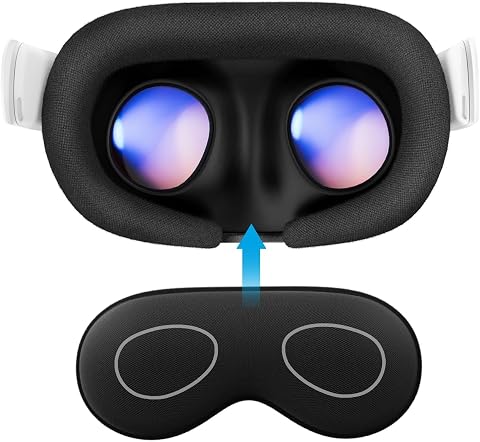
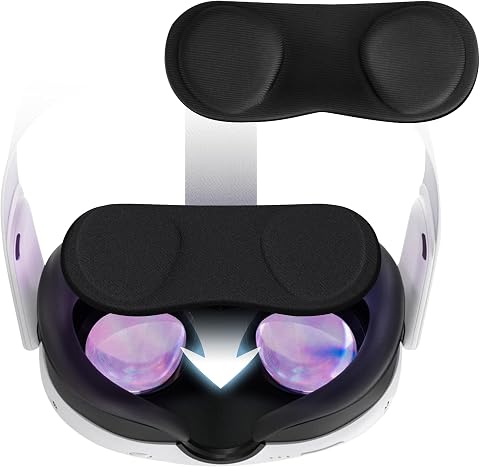
A headset can look compelling on paper and still become distracting if its weight or facial pressure bothers you. For short guided sessions, you may tolerate a snug fit that feels less suitable for longer breathing or mindfulness practices. Check whether the strap can be adjusted easily and whether the headset can accommodate your usual glasses or prescription inserts. Facial interface materials and replacement options matter if you share the device or use it often. A comfort accessory can sometimes improve the fit more than moving to a more expensive headset. If possible, review return terms before buying because comfort is personal and difficult to judge from specifications alone.
Decide Between Fully Virtual and Mixed-Reality Sessions
Some meditation apps place you in a fully virtual landscape, while others may use passthrough to keep parts of your room visible. A fully immersive view can reduce visual distractions, but it can also make a small or unfamiliar room feel disconnected from your surroundings. Mixed reality can feel more grounded and can be useful if you want to remain aware of your space. Don’t assume that every meditation app supports both modes; app features vary by headset and software updates. Match the headset’s display and passthrough capabilities to the kind of experience you expect to use regularly. Paying for advanced mixed reality makes less sense if your sessions will always take place in a fully virtual environment.
Check the Meditation App Before Choosing the Headset
The headset is only part of the experience: the available meditation app, subscription model, audio guidance, and session library can shape daily use more than a minor hardware difference. Before buying, check that the apps you want run on the headset and confirm whether their core sessions require an ongoing subscription. Some experiences emphasize guided breathing, while others focus on soundscapes, mindfulness lessons, or visual relaxation. A large general app library is useful, but it does not guarantee that the meditation content matches your preferences. Also check whether sessions can run offline if you plan to meditate somewhere without reliable Wi-Fi. Choosing content first can prevent paying for hardware whose ecosystem does not fit your routine.
Choose Storage Around How You Use the Headset
Storage needs depend on whether meditation is your only use or one part of a larger VR library. A small collection of lightweight apps may leave ample room, while games and downloaded media can fill storage much faster. Standalone headsets generally do not work like a computer with easily replaceable internal storage, so plan for what you expect to install over time. If you want to keep several large games alongside wellness apps, a higher-capacity configuration can reduce the need to remove content. If meditation is your main activity and you stream sessions, paying extra for unused capacity may not improve the experience. Check app sizes and headset storage limits before treating a larger number as automatically better.
Think Through Hygiene, Sharing, and Maintenance
Face-contact surfaces need regular cleaning, particularly when a headset is shared or used for sweaty workouts as well as meditation. Look for a cleaning routine compatible with the headset materials, and avoid applying liquids directly to lenses or electronics. Replaceable facial interfaces can make shared use easier, though they add a separate accessory cost and require storage when not in use. A dedicated carrying case helps protect lenses from scratches and keeps the headset ready between sessions. If multiple people will use one device, adjustable fit and separate user profiles may matter more than a small difference in screen specifications. These practical details affect whether the headset stays comfortable and convenient over months of use.
Treat Renewed and Bundle Listings as Separate Decisions
A bundle can be worthwhile when its included content matches your interests, but an unrelated game does not make a headset more capable for meditation. Compare the exact included items and check whether any bundled content is a code with an expiration or account restriction. Renewed products introduce a different tradeoff: they may make a newer headset more accessible, but condition, included accessories, warranty, and return coverage deserve close attention. Read the listing details rather than assuming renewed means identical to new in every respect. For meditation, a clean facial interface and complete charging accessories are especially relevant. Choose a renewed unit only when the seller’s protection terms and stated condition meet your comfort level.
Frequently Asked Questions
Is the Meta Quest 3 worth choosing over the Quest 3S if I only plan to meditate?
It depends on how sensitive you are to display clarity and whether you’ll use mixed-reality features. Quest 3 has a sharper visual presentation and more advanced lenses, which can make virtual scenery feel clearer during quiet sessions. Quest 3S keeps the standalone format and access to the Quest ecosystem, so it may be enough if you mainly follow guided audio with simple visuals. I’d lean toward Quest 3 for frequent use or detailed environments, and toward Quest 3S when keeping the setup simpler matters more. Check the meditation apps you plan to use, since software compatibility may matter more than hardware differences for some routines.
Can I meditate with a standalone headset without an internet connection?
Some headset functions and downloaded experiences may work offline, but internet access can be needed for initial setup, account services, app downloads, updates, or streaming. Offline access varies by app, so check its requirements before relying on it for travel or a quiet location without Wi-Fi. Downloading sessions ahead of time can help, provided the app supports offline playback. A headset may also need periodic connections for software or account checks. If offline use is a priority, verify that the specific meditation content—not just the headset—works without a network.
Should I buy a Quest 3 bundle with GOLF+ for meditation?
Choose the GOLF+ bundle only if you also want the included game or have another use for it. The bundle does not, by itself, add a meditation feature or improve the headset’s display, fit, or standalone performance. If meditation is your sole purpose, compare the bundled listing with the standard Quest 3 and focus on the exact included accessories and software. A game can broaden how you use the headset, but it should not determine your choice if it will go unused. The standard Quest 3 is the cleaner match when you want to decide on meditation apps separately.
Is a renewed Quest 3S a sensible choice for a first VR meditation headset?
It can be a reasonable route if the listing clearly states the headset’s condition, included accessories, warranty, and return policy. Those details matter because a headset is worn against the face, and a missing or worn facial interface can affect comfort and hygiene. A first-time buyer may prefer a new unit if they want fewer uncertainties around condition and support. If choosing renewed, inspect the return window and seller protections before purchase rather than relying on the product label alone. The standard Quest 3S remains the more straightforward beginner choice when purchase certainty matters most.
Does the HTC VIVE Focus 3 make sense for a home meditation routine?
It may suit a buyer who needs its more specialized, enterprise-oriented setup or plans to use VR in a professional or shared setting. For a typical home routine, the consumer-focused Quest models are likely easier to match with a broad selection of wellness and entertainment apps. Before choosing Focus 3, verify that your preferred meditation software supports it and that its setup fits your space and technical comfort. A headset designed for professional deployment can bring capabilities that a home user may never use. If your main goal is guided meditation at home, prioritize app availability and comfortable fit over business-focused features.
Conclusion
For most home users, I recommend the Meta Quest 3 512GB as the best overall choice, with a clearer display and a strong balance of standalone features. The Quest 3S 256GB is my best value and best beginner option for buyers who want a current Quest headset without prioritizing the sharper Quest 3 experience. For a premium-leaning consumer pick, I’d choose Quest 3 rather than paying for the more specialized VIVE Focus 3, unless business use is part of the plan. The GOLF+ bundle suits people who also want that game; it offers little extra for meditation alone. The renewed Quest 3S can fit a specific budget-conscious purchase, provided its condition and protections are clear, while Quest 2 is best reserved for buyers comfortable with older hardware.