Sensory grounding therapy tools offer tactile cues, guided prompts, or breathing support to help make a calming routine easier to start. My best overall pick is Better Days Somatic Therapy Cards, which offers a broad set of nervous-system regulation exercises, while the Calm Reset Kit by Divergent Designs suits shoppers seeking a more varied collection of tools. For a simple, pocket-friendly tactile option, KLT Textured Sensory Worry Stones stand out. The main tradeoff is whether you want guided activities, a discreet sensory object, or a tool that leads a breathing exercise; size, sensory preferences, and ease of use matter too. Read on for the full comparison and help matching each option to your routine.

Turn your wind-down time into listening time
- Thousands of audiobooks, podcasts and originals
- Listen on your phone, tablet or Echo — also offline
- Cancel anytime
Key Takeaways
- Better Days Somatic Therapy Cards lead for variety of guided exercises; shoppers who prefer a physical, multi-item set may be better served by the Calm Reset Kit.
- KLT Textured Sensory Worry Stones offer a straightforward tactile cue, while card sets rely on the user being willing to read and follow a prompt.
- Sticker sets differ in piece count and design variety, but their usefulness depends on enjoying adhesive textures and having suitable surfaces to place them on.
- The YeeBeny 4-7-8 Guided Breathing Lamp adds a visual pace cue, making it distinct from products that ask users to choose and guide an exercise themselves.
- Lifelines Scent-Infused Grounding Stones combine touch and scent, a distinctive option that may not suit people sensitive to fragrance.
| Grounding Cards and Worry Stone for Teens and Adults |  | Best Overall | Brand: Uflognirz | Model: GC001 | Cards: 25 grounding technique cards (listing title says 24) | VIEW LATEST PRICE | See Our Full Breakdown |
| Therapressure Sensory Brush, 6-Color Pack |  | Best for Shared Sensory Spaces | Quantity: 6 brushes | Colors: Blue, pink, orange, purple, green, and yellow | Dimensions: 3.25 × 1.75 × 1 inches | VIEW LATEST PRICE | See Our Full Breakdown |
| Mindful Sensory Stickers, 57 Pieces with 19 Calming Designs |  | Best for Everyday Visual Reminders | Brand: Stlyvya | Pieces: 57 stickers | Designs: 19, with 3 stickers per design | VIEW LATEST PRICE | See Our Full Breakdown |
| Better Days Somatic Therapy Cards: 60 Nervous System Regulation Exercises |  | Best for Structured Practice | Brand: Better Days | Exercise cards: 60 | Sequence cards: 12 | VIEW LATEST PRICE | See Our Full Breakdown |
| Anxiety and Stress Relief Grounding Cards |  | Best for Pocket Carry | Brand: woosian | Number of cards: 20 | Number of items: 21 | VIEW LATEST PRICE | See Our Full Breakdown |
| ADHD Coping Skills and Grounding Cards with Reminder Stickers |  | Best for Technique Variety | Brand: OBUSATT | Contents: 48 grounding cards, 12 reminder stickers, 1 storage pouch | Card size: 4 × 2.4 inches | VIEW LATEST PRICE | See Our Full Breakdown |
| Qwirely Sensory Stickers for Calm, 102 Pieces |  | Best for Reusable Tactile Cues | Brand: Qwirely | Quantity: 102 stickers | Material: PEVA | VIEW LATEST PRICE | See Our Full Breakdown |
| AmazingSpark Grounding and Coping Skills Cards for Anxiety, 10 Pack |  | Best Compact Card Set | Brand: AmazingSpark | Quantity: 10 cards | Material: Waterproof PVC | VIEW LATEST PRICE | See Our Full Breakdown |
| KLT Textured Sensory Worry Stones, 6-Pack |  | Best Pocket Tactile Tool | Brand: KLT | Quantity: 6 stones | Material: Customized material | VIEW LATEST PRICE | See Our Full Breakdown |
| SCHOLOX Sensory Calming Stickers, 36 Pieces |  | Best for Breathing Reminders | Brand: SCHOLOX | Quantity: 36 stickers | Designs: 12 | VIEW LATEST PRICE | See Our Full Breakdown |
| Grounding Cards and Anxiety Stickers for Teens and Adults |  | Best for a Wide Choice of Guided Techniques | Brand: UHillMinerva | Included components: 23 cards and 7 stickers | Card size: 3.9 × 2.6 inches | VIEW LATEST PRICE | See Our Full Breakdown |
| Calm Reset Kit for Stress and Overwhelm by Divergent Designs |  | Best for a Simple, Discreet Reset | Included items: Worry stone, silicone bracelet, and guided grounding card | Designed for: Stress, sensory overload, and overwhelm | Portability: Pocket-sized | VIEW LATEST PRICE | See Our Full Breakdown |
| YeeBeny 4-7-8 Guided Breathing Lamp |  | Best for Visual Breathing Cues | Brand: YeeBeny | Breathing pattern: 4-second inhale, 7-second hold, 8-second exhale | Light colors: Green, blue, and yellow | VIEW LATEST PRICE | See Our Full Breakdown |
| Lifelines Scent-Infused Grounding Stones, 2-Pack with Essential Oil Blend | 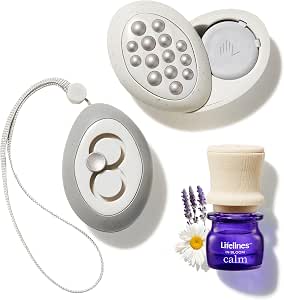 | Best for Combining Touch and Scent | Brand: Lifelines | Set includes: 2 grounding stones, 2 lanyards, and 1 essential oil blend | Scent: Walk in the Woods: Calm | VIEW LATEST PRICE | See Our Full Breakdown |
| sensory grounding therapy tool | Brand | Material |
|---|---|---|
| Grounding Cards and Worry Ston | Uflognirz | — |
| Therapressure Sensory Brush | — | — |
| Mindful Sensory Stickers | Stlyvya | — |
| Better Days Somatic Therapy Ca | Better Days | Paper |
| Anxiety and Stress Relief Grou | woosian | PVC |
| ADHD Coping Skills and Groundi | OBUSATT | — |
| Qwirely Sensory Stickers for C | Qwirely | PEVA |
| AmazingSpark Grounding and Cop | AmazingSpark | Waterproof PVC |
| KLT Textured Sensory Worry Sto | KLT | Customized material |
| SCHOLOX Sensory Calming Sticke | SCHOLOX | Paper, plastic |
| Grounding Cards and Anxiety St | UHillMinerva | Cardstock |
| Calm Reset Kit for Stress and | — | — |
| YeeBeny 4-7-8 Guided Breathing | YeeBeny | — |
| Lifelines Scent-Infused Ground | Lifelines | — |
More Details on Our Top Picks
Grounding Cards and Worry Stone for Teens and Adults
I’d choose this set for someone who wants grounding options that engage more than one sense. Its 25 technique cards explain both what to try and why it may help, while the Blue Aventurine worry stone adds a small tactile anchor. That gives it a broader starting point than woosian’s Anxiety and Stress Relief Grounding Cards, which are more pocket-focused and give less detail about the individual exercises. The waterproof PVC cards and pouch also suit carrying the set between home, school, or work. The tradeoff is a small but relevant listing inconsistency: the title says 24 cards, while the description says 25. At 4.75 × 2.7 inches, the cards are also less compact than woosian’s cards, so they may feel less convenient for a very small pocket.
Pros:- Technique cards explain the practices and their intended purpose
- Worry stone adds a separate tactile grounding option
- Waterproof PVC cards and included pouch support portable use
- Includes techniques engaging visual, tactile, auditory, and other senses
Cons:- Card count conflicts between the title and description
- Cards are larger than the pocket-sized woosian grounding cards
- The stone’s material and tactile feel may not suit every user’s preferences
Best for: Teens and adults who want explained grounding prompts plus a tactile object for home, school, or work
Not ideal for: Buyers who need the smallest possible pocket deck or require an exact, confirmed card count
- Brand:Uflognirz
- Model:GC001
- Cards:25 grounding technique cards (listing title says 24)
- Card material:Waterproof PVC
- Card dimensions:4.75 × 2.7 inches
- Worry stone:Blue Aventurine, 0.8 inches
- Pouch dimensions:2.75 × 2.75 inches
- Item weight:4.5 ounces
Our verdict“Choose this set if you want a varied, explanatory grounding kit with a tactile stone, and skip it if compactness or a verified card count matters most.”
Therapressure Sensory Brush, 6-Color Pack
This pack takes a more direct tactile approach than the other picks: each sensory brush is designed for deep-pressure massage, rather than offering written prompts like Better Days Somatic Therapy Cards or the Grounding Cards and Worry Stone set. Six brushes make it easier to keep one in different locations or provide separate colors for a family or group, and their 3.25 × 1.75-inch size is easy to store or carry. That said, the listing supplies little guidance on when or how to use the brushes, and a deep-pressure sensation is not a comfortable or suitable choice for everyone. I’d favor this option when a user already knows they like this kind of tactile input; beginners seeking step-by-step grounding ideas will get more direction from a card deck.
Pros:- Six brushes allow distribution across rooms or users
- Small dimensions make each brush easy to store and carry
- Designed to provide deep-pressure massage
- Color variety can help users distinguish individual brushes
Cons:- Listing provides no detailed instructions or practice guidance
- Deep-pressure input may feel uncomfortable or unsuitable for some users
- Offers a narrower sensory approach than grounding decks with multiple exercise types
Best for: Families, classrooms, or sensory spaces that want several compact brushes for users who already prefer deep-pressure tactile input
Not ideal for: People who are unsure about deep-pressure sensations or want guided exercises and usage instructions
- Quantity:6 brushes
- Colors:Blue, pink, orange, purple, green, and yellow
- Dimensions:3.25 × 1.75 × 1 inches
- Designed use:Deep-pressure massage
Our verdict“Pick this pack for shared access to a specific tactile tool, but choose guided cards if you need a broader menu of grounding practices.”
Mindful Sensory Stickers, 57 Pieces with 19 Calming Designs
These stickers turn grounding into something a person can encounter during ordinary routines: a breathing path, mood check-in, or tracing pattern can sit inside a journal or on a personal workspace. The 19 designs, repeated three times, offer more variety for decorating several surfaces than the Better Days Somatic Therapy Cards, though they provide less structured guidance than that deck’s exercises and sequences. Two tactile textures add an interactive element, while the muted palette is less visually loud than many sensory aids. The main limitation is where they work best: despite being described as weatherproof, the listing specifies indoor use, so I wouldn’t pick them for a water bottle meant for outdoor use. Textured stickers may also distract or irritate people who prefer smooth surfaces.
Pros:- Combines breathing, grounding, mood check-ins, affirmations, and tracing designs
- Two textures offer tactile interaction alongside visual prompts
- Muted colors suit journals and understated workspaces
- Three copies of each design allow use across multiple indoor surfaces
Cons:- Listed for indoor use despite being described as weatherproof
- Textured surfaces may not suit people who prefer smooth stickers
- Prompts are less structured than the guided exercises in the Better Days deck
Best for: Journal users and adults who want low-key visual and tracing prompts integrated into an indoor workspace
Not ideal for: People seeking a portable guided exercise deck, outdoor sticker use, or consistently smooth surfaces
- Brand:Stlyvya
- Pieces:57 stickers
- Designs:19, with 3 stickers per design
- Textures:2
- Features:Breathing exercises, grounding prompts, mood check-ins, affirmations, and tracing patterns
- Color palette:Muted, low-saturation
- Additional feature:Weatherproof
- Recommended uses:Journal, notebook, laptop, water bottle, or mirror; listed for indoor use
Our verdict“Choose these for subtle grounding cues built into indoor routines, not as a substitute for guided exercises or an outdoor-use sticker set.”
Better Days Somatic Therapy Cards: 60 Nervous System Regulation Exercises
For buyers who want a planned practice rather than a single prompt, this deck has the clearest structure in the group: 60 exercises, 12 sequences, and a guidebook cover breathwork, grounding, mindfulness, gentle movement, and vagus nerve practices. The sequences make it easier to follow a set of activities, unlike the more grab-and-go woosian cards, which focus on brief sensory exercises. A wooden stand can display an encouragement card at home, while the 3.5 × 5-inch cards remain portable enough to pack. The tradeoff is that this is self-guided wellness material, not expert-led instruction; a guidebook doesn’t replace individualized support. It is also listed for ages 15 and up, making the Grounding Cards and Worry Stone set a more flexible alternative for buyers seeking a tactile object alongside prompts.
Pros:- Sixty exercises span breathwork, grounding, mindfulness, and gentle movement
- Twelve sequences provide more structure than a stack of independent prompts
- Guidebook supports getting started with the practices
- Wooden stand can display an encouragement card at home
Cons:- Designed for ages 15 and up
- Self-guided exercises do not provide expert-led or individualized instruction
- Paper cards are less suited to wet conditions than the waterproof PVC grounding decks
Best for: Teens 15 and up and adults who want a varied, sequenced self-guided routine for home or travel
Not ideal for: Younger children, people seeking clinician-led instruction, or buyers who mainly want a tactile grounding object
- Brand:Better Days
- Exercise cards:60
- Sequence cards:12
- Card size:3.5 × 5 inches
- Included components:Exercise and sequence cards, guidebook, wooden stand
- Material:Paper
- Weight:8 ounces
- Language and age:English; ages 15 and up
Our verdict“Choose this deck for structured, varied self-guided practice, but look elsewhere for younger users or hands-on tactile tools.”
Anxiety and Stress Relief Grounding Cards
When the goal is to keep a few grounding exercises within reach, this set is more pocket-friendly than the Grounding Cards and Worry Stone set: its 3.46 × 2.5-inch PVC cards attach to a metal ring, making them easy to keep together on the go. The 20 brief exercises draw on visual, auditory, tactile, and olfactory techniques, so the deck offers more than one route into a grounding pause. Compared with Better Days’ 60-card deck and 12 sequences, though, this is a simpler, quicker-use option rather than a structured practice system. The listing doesn’t describe the individual exercises, which makes it hard to judge their fit before buying. Age guidance is also inconsistent, naming kids, teens, and adults while giving a recommended age of 24 months and up.
Pros:- Compact cards are easy to carry on a metal ring
- PVC material is described as waterproof and bend-resistant
- Brief exercises are intended for quick use
- Techniques include visual, auditory, tactile, and olfactory approaches
Cons:- Listing does not describe the individual exercises in detail
- Age guidance conflicts between the stated age range and recommended age
- Fewer cards and less sequencing than the Better Days somatic deck
Best for: Teens and adults who want a small, ring-bound set of brief sensory prompts to carry between home, school, or work
Not ideal for: Buyers who need detailed exercise descriptions, a sequenced program, or clear and consistent age guidance
- Brand:woosian
- Number of cards:20
- Number of items:21
- Material:PVC
- Card dimensions:3.46 × 2.5 inches
- Included components:Cards and metal ring
- Weight:3.84 ounces
- Language and age guidance:English; listing says kid, teen, and adult, with recommended age 24 months and up
Our verdict“Choose this set for brief, portable sensory prompts, but favor a more detailed deck if you want to preview exercises or follow a structured routine.”
ADHD Coping Skills and Grounding Cards with Reminder Stickers
This set suits buyers who want guided exercises across several senses, rather than a single tactile object to handle. Its 48 cards cover visual, tactile, taste, sound, scent, movement, and multisensory approaches, with explanations that can help someone choose a technique instead of guessing what to do. Compared with the AmazingSpark Grounding and Coping Skills Cards, it offers a much broader selection and adds reminder stickers, but its small 4 × 2.4-inch cards may be less comfortable to read at a glance. The waterproof stickers add a way to place cues on everyday items, while the pouch keeps the set together for use on the go. The tradeoff is that carrying and selecting from many exercises may feel like extra effort when a person needs one quick prompt.
Pros:- Offers 48 techniques spanning sensory, movement, and multisensory approaches
- Explains how the exercises work, making the cards more instructive than a prompt-only set
- Includes a pouch and compact format for carrying between settings
- Waterproof stickers can serve as visual reminders on common belongings
Cons:- The 4 × 2.4-inch cards may be difficult to read or handle for some users
- A large choice of exercises may be less useful than a single quick cue during acute overwhelm
- The set’s intended calming effects can vary by person
Best for: People with ADHD or anyone who wants a portable, varied menu of explained grounding exercises for home, school, or travel.
Not ideal for: Readers who prefer large-print prompts or a single, immediately accessible fidget tool; the cards are small and choosing among 48 techniques can take time.
- Brand:OBUSATT
- Contents:48 grounding cards, 12 reminder stickers, 1 storage pouch
- Card size:4 × 2.4 inches
- Card material:Thick, waterproof paper
- Sticker size:2 × 0.9 inches
- Sticker designs:6
- Recommended uses:Journal, laptop, water bottle
Our verdict“Choose this set if you want a compact, explained library of grounding methods, and skip it if small cards or too many choices would get in your way.”
Qwirely Sensory Stickers for Calm, 102 Pieces
Qwirely is the strongest fit here for someone who wants many touch-based prompts spread across familiar surfaces. The 102 PEVA stickers come in diamond and water-drop textures, alongside mindfulness patterns and activities, so they offer more variety in placement and tactile feel than the 36-piece SCHOLOX Sensory Calming Stickers. Their waterproof, tear-resistant material is suited to objects that get handled often, and the stated residue-free removal makes changing locations less of a commitment. This is still a tactile tool, not a broad sensory guide: unlike the OBUSATT grounding cards, it does not provide a comparable range of explained exercises across multiple senses. Texture is also personal; a surface that helps one person focus may distract or irritate another.
Pros:- Includes 102 stickers with diamond and water-drop textures
- Waterproof, tear-resistant PEVA is suited to frequent handling
- Designed to peel away without residue, allowing placement changes
- Mindfulness patterns and activities add more than texture alone
Cons:- Tactile input may not suit every sensory preference
- Provides less structured, multi-sensory guidance than the OBUSATT grounding card set
- Sticker-based support depends on having a suitable surface nearby
Best for: People who benefit from discreet touch cues and want a larger supply to place on items they regularly handle, such as a desk or device.
Not ideal for: Anyone who dislikes textured surfaces or needs guided exercises involving sound, scent, movement, or multiple senses.
- Brand:Qwirely
- Quantity:102 stickers
- Material:PEVA
- Texture styles:Diamond and water-drop
- Mindfulness patterns:27
- Mindfulness techniques:21
- Package dimensions:9.02 × 5.04 × 0.98 inches
Our verdict“Pick Qwirely for a plentiful, movable tactile reminder system, but choose cards instead if you need step-by-step grounding guidance.”
AmazingSpark Grounding and Coping Skills Cards for Anxiety, 10 Pack
For someone who wants grounding prompts without carrying a large deck, AmazingSpark keeps the format simple: 10 waterproof PVC cards attached by a metal binder ring. The ring makes the set easy to keep together and flip through, while the cards address senses and movement. Compared with the 48-card OBUSATT set, this is easier to scan when a short list feels more manageable, but it offers far fewer options and no reminder stickers or storage pouch. PVC gives these cards a more water-resistant, wear-friendly format than paper-based prompts, though the small 2.56 × 3.94-inch size limits how much instruction can fit. Its recommended age of 6 and up also makes it a less specifically adult-oriented choice than the product framing may suggest.
Pros:- Binder ring keeps the cards together and makes them easy to carry
- Waterproof PVC is suited to regular handling
- Grounding prompts involve multiple senses and movement
- A short set can be easier to browse than the 48-card OBUSATT deck
Cons:- Only 10 cards, offering less choice than the OBUSATT set
- Compact dimensions may limit readability or the detail available on each prompt
- Recommended for ages 6 and up, which may not match buyers seeking an explicitly adult-focused tool
Best for: Adults or families seeking a small, ring-bound selection of sensory and movement prompts that can be carried in a bag.
Not ideal for: People who want a broad exercise library, detailed explanations, or cards with larger text; the set contains only 10 compact cards.
- Brand:AmazingSpark
- Quantity:10 cards
- Material:Waterproof PVC
- Card size:2.56 × 3.94 inches (65 × 100 mm)
- Included accessory:Metal binder ring
- Color:Colorful
- Recommended age:6 years and up
Our verdict“Choose AmazingSpark for a small, durable ring of prompts; opt for a larger deck if you need more techniques or fuller explanations.”
KLT Textured Sensory Worry Stones, 6-Pack
The KLT stones are the most direct option in this group: small, quiet objects for repetitive hand movement, without cards to read or stickers to place. Their textured surfaces provide tactile input, and the washable construction makes them practical for repeated use at school, work, or while traveling. Compared with Qwirely’s sensory stickers, these stones do not need a chosen surface and can move from hand to hand; compared with the AmazingSpark cards, they offer no verbal instruction or sensory exercise to follow. That simplicity is their appeal and their limit. The listing describes a customized material rather than naming its composition, so buyers have less information about the feel. Small parts also make age guidance worth following, especially for younger children.
Pros:- Quiet format suits settings where sound could draw attention
- Textured surfaces offer a simple tactile focus for the hands
- Small and portable for work, school, or travel
- Washable construction supports repeated use
Cons:- Focused on tactile fidgeting, with no described breathing prompts or other play features
- Material is listed only as customized material, leaving its exact composition unclear
- Small size may not suit children below the recommended age range
Best for: People who want a quiet, washable pocket fidget for discreet tactile grounding at a desk, in class, or while traveling.
Not ideal for: Anyone seeking guided coping steps or non-tactile grounding options, and caregivers looking for a larger object for young children.
- Brand:KLT
- Quantity:6 stones
- Material:Customized material
- Age range:3 years and up
- Design:Textured, quiet sensory stones with smooth, rounded edges
- Care:Washable
Our verdict“Choose the KLT stones for quiet, portable hand-based grounding, but pick cards or stickers if you need prompts or broader sensory activities.”
SCHOLOX Sensory Calming Stickers, 36 Pieces
SCHOLOX is the more prompt-led sticker option: its breathing and mindfulness cues pair a tactile surface with a reminder to pause, including box breathing. That makes it a better match for someone who wants a visible nudge attached to a laptop, phone, or desk than for someone seeking a pocket object to rub. Compared with Qwirely’s 102-piece set, SCHOLOX supplies fewer stickers but foregrounds breathing prompts and offers 12 designs across two textures. The tradeoff is less confidence about everyday durability: the product details list paper and plastic but do not explain how well the stickers adhere or how long they last. For buyers who want the wider selection of explained sensory techniques, the OBUSATT cards cover more modalities; SCHOLOX stays focused on small, placed cues.
Pros:- Includes breathing and mindfulness prompts, including box breathing
- Two textures add tactile variety
- Twelve designs offer visual choice across the set
- Can be placed on commonly used items such as laptops, phones, or desks
Cons:- Adhesion strength and sticker lifespan are not specified
- Paper and plastic material details provide limited guidance about wear or cleaning
- Fewer pieces than Qwirely’s 102-sticker set
Best for: People who want breathing prompts in their daily workspace and prefer a tactile reminder fixed to a phone, laptop, or desk.
Not ideal for: Buyers who need a washable, clearly durable tactile tool or want a portable set of guided exercises rather than surface-mounted cues.
- Brand:SCHOLOX
- Quantity:36 stickers
- Designs:12
- Textures:2
- Material:Paper, plastic
- Shape:Irregular
- Dimensions:2.7 × 2.7 × 0.03 inches
Our verdict“Choose SCHOLOX if a visible breathing reminder is your priority, and choose a card set or washable tactile tool if longevity and portability matter more.”
Grounding Cards and Anxiety Stickers for Teens and Adults
For someone who wants options rather than one repeated grounding prompt, this set pairs 23 technique cards with seven waterproof reminder stickers. The cards explain both the methods and their psychology, giving teens and adults more context than a quick cue alone. Their pocket-sized format suits a school bag, desk, or commute, while stickers can act as visible prompts between practice sessions. Compared with the Calm Reset Kit, this pick offers more written exercises but less tactile input; it is better for choosing a strategy than keeping hands occupied during a stressful moment. The tradeoff is that users need to read and select a card, which may feel like extra work when overwhelmed. The age guidance also rules it out for younger children.
Pros:- Includes 23 distinct grounding techniques
- Explains the psychology behind the techniques
- Waterproof stickers can serve as daily practice reminders
- Small cards are easy to carry
Cons:- Recommended for ages 13 and up, not younger children
- Requires choosing and reading a technique, which may be difficult during acute overwhelm
Best for: Teens 13 and up and adults who want several explained grounding exercises to choose from at school, work, or home
Not ideal for: Younger children or anyone seeking a tactile tool that works without reading or selecting a technique
- Brand:UHillMinerva
- Included components:23 cards and 7 stickers
- Card size:3.9 × 2.6 inches
- Material:Cardstock
- Recommended age:13 years and up
- Theme:Anxiety relief
Our verdict“Choose this set if you want portable, explained exercises and reminder stickers rather than a primarily tactile grounding aid.”
Calm Reset Kit for Stress and Overwhelm by Divergent Designs
This kit keeps its approach deliberately simple: a smooth worry stone, a movable silicone bracelet, and one guided grounding card offer touch plus a prompt without a large set of exercises. That makes it a practical choice for someone who wants a compact reset at work, school, or while traveling. Compared with the Grounding Cards and Anxiety Stickers, it gives less choice and explanation, but its tactile pieces may be easier to reach for when reading feels like too much. It also provides less structured breathing guidance than the YeeBeny 4-7-8 Guided Breathing Lamp. The main drawback is limited product detail: no dimensions or specific materials are listed, so buyers have little basis for judging fit or feel before purchase. Individual responses to sensory tools also vary.
Pros:- Combines a worry stone, tactile bracelet, and guided card
- Pocket-sized for use at home, work, school, or while traveling
- Offers both touch-based input and a written grounding prompt
- Designed for stress, sensory overload, and overwhelm
Cons:- No specific materials or dimensions are provided
- Includes only one guided card, offering less exercise variety than card sets
- The usefulness of its sensory elements will vary by individual
Best for: Teens or adults who want a discreet pocket kit with both tactile items and a brief guided prompt
Not ideal for: Buyers who need detailed material or size information, or who prefer a large library of written exercises
- Included items:Worry stone, silicone bracelet, and guided grounding card
- Designed for:Stress, sensory overload, and overwhelm
- Portability:Pocket-sized
- Suggested settings:Home, work, school, and travel
- Specific dimensions:Not provided
- Specific materials:Not provided
Our verdict“Pick this kit for a low-profile mix of tactile tools and one prompt, but skip it if detailed specifications or many guided options matter to you.”
YeeBeny 4-7-8 Guided Breathing Lamp
The YeeBeny lamp turns a breathing pattern into a color-guided visual cue: green, blue, and yellow light mark a 4-second inhale, 7-second hold, and 8-second exhale. This can give a user a steady focus point without needing to follow written instructions. Its compact tabletop design suits a bedside table or desk, unlike the pocketable Calm Reset Kit, which is easier to take along but offers no timed light sequence. The lamp’s main limitation is its fixed routine: the long breath hold and single 4-7-8 pattern may not suit every person or moment. It also depends on having a surface and access to the device, so it is less adaptable on the go than the Lifelines Scent-Infused Grounding Stones. Keep it away from water.
Pros:- Provides a clear 4-7-8 breathing rhythm
- Three changing LED colors act as visual breathing cues
- Compact tabletop size fits a desk or bedside table
- Soft silicone shade offers a distinct tactile surface
Cons:- Limited to a single breathing pattern
- Not water resistant
- Requires a tabletop setting rather than offering the portability of a handheld tool
Best for: People who prefer a visual, paced breathing prompt at a bedside table or desk
Not ideal for: Travelers who need a pocketable tool, people who want different breathing patterns, or anyone who needs a water-resistant device
- Brand:YeeBeny
- Breathing pattern:4-second inhale, 7-second hold, 8-second exhale
- Light colors:Green, blue, and yellow
- Light source:LED
- Shade material:Silicone
- Base material:Plastic
- Mounting type:Tabletop
- Dimensions:4.7 × 2.7 × 2.7 inches
- Water resistance:Not water resistant
Our verdict“Choose this lamp for a visual breathing routine in a fixed location, not for flexible patterns or grounding on the move.”
Lifelines Scent-Infused Grounding Stones, 2-Pack with Essential Oil Blend
These stones pair fidgeting with a scented cue, giving users two sensory channels to focus on rather than relying on written prompts or timed light. The set includes two touchable designs, lanyards, and a 7.5 ml Walk in the Woods blend with cedarwood, vetiver, violet, and cinnamon notes. Compared with the Calm Reset Kit, this pick adds scent and a swivel, while the Calm Reset Kit includes a guided card and silicone bracelet for a more direct prompt. The stones are suited to home, office, or vehicle use, but they are not ready-to-scent straight from the box: the oil must be added. That extra step may be a drawback for someone seeking a no-prep tool, and scent can be unpleasant or distracting for people with sensitivities or preferences against fragrance.
Pros:- Combines tactile fidgeting with a scent-based cue
- Includes two stones and two lanyards for portable use
- Swivel feature adds a movement option
- Oil blend is listed as free from parabens, phthalates, and dyes
Cons:- Essential oil must be added to the stones
- The scent blend may not suit everyone
- Provides no written or timed guidance like the card set or breathing lamp
Best for: Adults who find scent and hand movement grounding and want a portable sensory aid for home, office, or vehicle use
Not ideal for: People sensitive to fragrance, those who prefer unscented tools, or buyers who want a ready-to-use item without adding oil
- Brand:Lifelines
- Set includes:2 grounding stones, 2 lanyards, and 1 essential oil blend
- Scent:Walk in the Woods: Calm
- Essential oil blend capacity:7.5 ml
- Blend notes:Cedarwood, vetiver, violet, and cinnamon
- Materials:Plastic and resin
- Color:Light grey
- Recommended uses:Home, office, and vehicle
Our verdict“Choose this set if scent and tactile movement are welcome grounding cues; skip it if fragrance sensitivity or setup-free use is a priority.”
How We Picked
I compared the 14 options by how clearly each supports a practical grounding routine: whether it offers tactile input, written prompts, a visual breathing cue, or more than one sensory pathway. I also weighed ease of use during a stressful moment, portability, the amount of choice a product offers, and how much setup or interpretation it asks from the buyer. These factors matter because a tool can be well suited to one routine and still feel distracting or inaccessible in another.
The ranking favors options with a clear use case and a low-friction way to begin, while distinguishing guided practice from passive sensory input. Products with more formats or exercises rank higher for buyers seeking versatility; compact stones and stickers rank for discreet, simple use rather than breadth. I also account for tradeoffs such as scent sensitivity, reliance on reading, and whether a tool needs a particular environment. These are consumer wellness aids, not substitutes for professional mental-health care.
Factors to Consider When Choosing Sensory Grounding Therapy Tools
Before choosing, decide what you want the tool to do at the moment you reach for it: offer a physical sensation, remind you of a practiced exercise, or guide your attention through a sequence. The best fit is the one that matches your sensory preferences and can be used comfortably in the setting where you need it.
Choose Between Tactile Input and Guided Prompts
A textured stone offers something to touch without asking you to read, while grounding cards provide an activity to follow when you want direction. These approaches serve different moments: a prompt can be useful when you need ideas, but it may feel like extra work if concentrating on text is hard. A tactile object is simpler to reach for, though it may not explain what to do next. Think about whether you prefer self-directed sensation or step-by-step guidance before buying a large set. A mixed-format kit can bridge the gap, but only if you will use its different parts rather than feel obliged to work through them all.
Match Sensory Features to Personal Preferences
More sensory input is not automatically more calming. Texture, visual patterns, adhesive feel, and fragrance can be pleasant for one person and distracting for another. If you are unsure, start with one sensory channel rather than combining scent, touch, and visual cues in a single product. For shared use, ask about preferences instead of assuming that a popular sensory feature will feel comfortable to everyone. Fragrance-sensitive buyers may want to avoid scented tools, while those who dislike sticky surfaces may prefer stones or cards over stickers. Consider whether the sensation remains comfortable after repeated use, not only whether it sounds appealing in a description.
Plan for Where the Tool Will Be Used
A tool for a desk, classroom, or bedside table can be larger or more structured than one carried in a pocket or bag. Check whether the product needs a clean surface, room to handle multiple pieces, or a quiet moment to follow written instructions. Stickers may be easy to place in visible locations, but they depend on having a suitable surface and may not travel as readily as a small stone. A breathing lamp may work best in a settled setting where its visual cue can be noticed. Choose for the environment where the routine is most likely to happen, rather than buying for every possible situation at once.
Look for Low-Friction Use During Stress
When attention is limited, instructions that are too long or too many choices can make a tool harder to start using. Consider whether you can understand the first step quickly, or whether you would need to sort, read, or prepare the product beforehand. Card decks offer variety, but selecting among many exercises may be less helpful than keeping one familiar prompt ready. A simple object can reduce decision-making, though it provides less guidance. One practical approach is to choose a tool and rehearse its use during a calm period, so it feels familiar when you want support. If a product requires upkeep or organization, decide in advance whether that routine fits your habits.
Prioritize Durability and Maintenance Over Piece Count
A larger count can look appealing, but the number of pieces does not tell you how easy they are to store, clean, or keep track of. Small items can be misplaced, stickers may be single-use once applied, and reusable objects need to suit the way they will be handled. For shared or school settings, think about cleaning and whether pieces can be separated for individual use. Check product details for materials and care guidance rather than assuming that every sensory tool can be wiped or reused. Paying more may make sense when a product brings together formats you will actually use; extra variety has little value if it adds clutter.
Treat Grounding Tools as Supports, Not Treatment
These products can serve as cues for a grounding or breathing routine, but they do not diagnose or treat anxiety, trauma, or other health conditions. If you are buying for a teen or another person, involve them in choosing textures, language, and scents so the tool feels acceptable rather than imposed. A tool should also be easy to set aside if it causes discomfort or frustration. If distress is persistent, severe, or interfering with daily life, consider speaking with a qualified health professional. The most useful purchase is a comfortable aid that fits alongside the support a person needs, not a replacement for that support.
Frequently Asked Questions
Are grounding cards or sensory stones a better first purchase?
Choose cards if you want concrete exercises or reminders and are comfortable reading a prompt when stressed. Choose a stone if you prefer a discreet object that offers a tactile focus without instructions. The Better Days Somatic Therapy Cards offer more guided variety, while the KLT stones are simpler to carry and use. If you are unsure which style feels natural, start with the format you already reach for in everyday life, such as notes and prompts or small hand-held objects. A tool that feels easy to use is more likely to become part of a routine.
Are sensory stickers reusable, and will they work for every setting?
Do not assume stickers are reusable; check the specific product details for adhesive and care information. Their main advantage is having a visible or tactile cue placed where you might notice it, such as a notebook or desk, but that depends on permission and a suitable surface. They may be less convenient if you need a tool that moves between locations or stays private. Piece count and design variety can help you find a preferred cue, but they do not guarantee a comfortable texture. If you are buying for a school or shared workspace, consider surface rules and other people’s sensory preferences first.
Should I choose a scented grounding tool if I have fragrance sensitivities?
If you or someone sharing the space is sensitive to fragrance, a scent-infused product may not be the right starting point. The Lifelines stones pair scent with touch, but the fragrance is also a feature that can make the product unsuitable for some users. A nonscented tactile option, such as textured stones, avoids that added variable. Consider where the item will be used, since fragrance may affect nearby people as well. When sensitivities are uncertain, choose a tool without scent rather than relying on the fragrance being mild.
Is a breathing lamp a good choice for use away from home?
A breathing lamp is most useful when you can see its visual cue and have a moment to follow it, so it may suit a calm space better than a pocket or busy setting. Before choosing the YeeBeny lamp, check its power requirements, size, and operating details to see whether it fits your intended location. For discreet use while out, a small card or stone may be easier to carry and reach for. The lamp’s guided rhythm can help if you prefer an external pace cue instead of remembering a breathing pattern. It is a focused tool, not a universal replacement for portable options.
How do I choose a grounding tool for a teen without making it feel imposed?
Let the teen choose between formats and sensory qualities rather than selecting solely by age label or appearance. Some may welcome cards with direct coping prompts, while others may prefer a subtle stone or sticker that does not draw attention. Check that the wording feels respectful and that the texture, scent, or visual design is comfortable to them. A small set of options can be less overwhelming than presenting many tools at once. Frame the product as an optional aid, and let the teen decide when and where to use it.
Conclusion
For the broadest guided practice, I recommend Better Days Somatic Therapy Cards as the best overall; for a more varied collection, the Calm Reset Kit is my best premium-style choice, subject to checking which included formats suit your routine. The best value in function is a simple tactile option such as KLT Textured Sensory Worry Stones if you want a reusable-feeling, low-instruction approach rather than a broad kit. For beginners, start with whichever feels easiest to use: a small stone for tactile focus or a compact card set for clear prompts. For specific needs, consider the YeeBeny lamp for a visual breathing cue and the Lifelines stones only if scent is welcome. My final choice would depend on the user’s sensory preferences and where the tool will be used, not on the number of pieces alone.