
Spiritual practices like mindfulness meditation and gratitude journaling can profoundly boost your emotional health. By staying present and observing your feelings without judgment, you build resilience to stress and negative emotions. These routines foster inner peace, self-awareness, and a positive outlook, helping you manage ups and downs more effectively. Committing to these activities over time enhances your overall well-being and deepens your sense of purpose. Keep exploring, and you’ll discover how these practices can transform your emotional resilience.
Open a free Amazon Business account
Business pricing, bulk buying and tax-exempt orders.
As an affiliate, we earn on qualifying purchases.
Key Takeaways
- Spiritual practices like mindfulness and gratitude enhance emotional awareness and regulation, reducing anxiety and stress.
- Regular meditation fosters inner peace, resilience, and a balanced outlook during challenging times.
- Gratitude journaling shifts focus to positive aspects, boosting mood and fostering optimism.
- These activities cultivate self-awareness and compassion, promoting healthier emotional responses.
- Long-term engagement deepens purpose and connection, strengthening overall mental and emotional well-being.

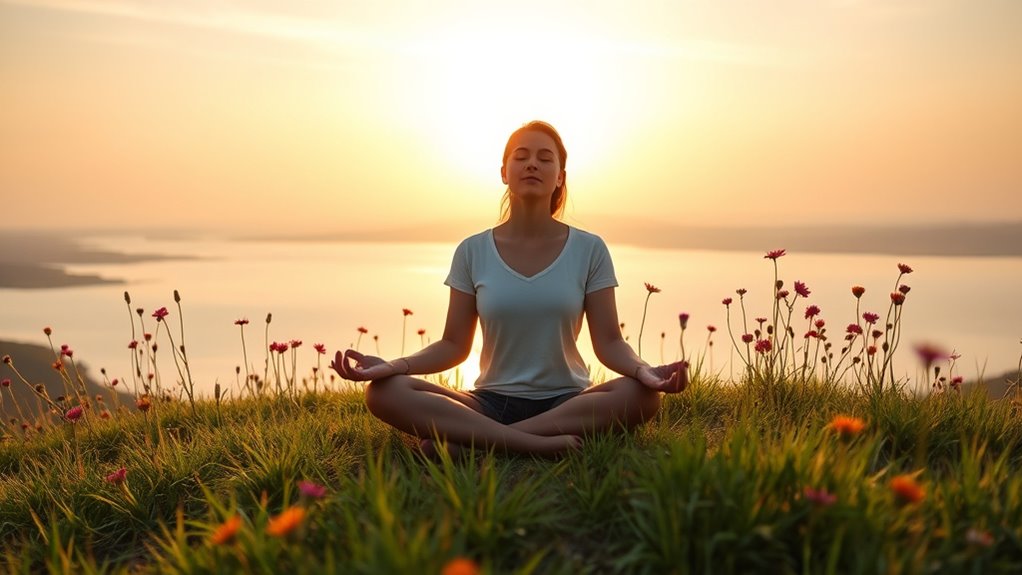
Many people find that engaging in regular spiritual practices can considerably boost emotional health. When you incorporate activities like mindfulness meditation and gratitude journaling into your routine, you create a foundation for greater emotional resilience and clarity. These practices help you become more aware of your thoughts and feelings, allowing you to respond thoughtfully rather than react impulsively. Mindfulness meditation, in particular, trains your mind to stay present, reducing anxiety and promoting a sense of calm. As you focus on your breath or a specific sensation, you learn to observe your emotions without judgment, which diminishes their power over you. Over time, this practice enhances your ability to manage stress, regulate negative emotions, and foster a more balanced outlook on life.
Regular mindfulness meditation fosters emotional resilience and calm through present-moment awareness.
Gratitude journaling complements mindfulness by shifting your focus to the positives in your life. When you take a few minutes each day to write down things you’re grateful for, you reinforce feelings of appreciation and contentment. This habit not only cultivates a more optimistic perspective but also rewires your brain to notice the good more easily. As a result, you become less prone to feelings of envy, resentment, or despair, which often undermine emotional health. Regularly acknowledging what you’re thankful for can lift your mood, improve your self-esteem, and create a sense of connection to something larger than yourself.
Both mindfulness meditation and gratitude journaling foster a sense of inner peace that extends beyond the practice itself. When you make these activities part of your routine, you develop a greater sense of self-awareness and compassion. You start recognizing your emotional patterns and learn healthier ways to cope with challenges. This increased awareness can help you identify harmful thought patterns and replace them with more constructive ones. Furthermore, these practices encourage patience and acceptance, key components of emotional well-being, especially during difficult times. Incorporating mental health practices into your routine can significantly strengthen your emotional resilience and overall well-being.
In essence, engaging in spiritual practices like mindfulness meditation and gratitude journaling helps you build a more compassionate relationship with yourself. You become better equipped to handle emotional ups and downs, leading to a more stable and resilient mental state. The ongoing commitment to these practices not only nurtures your emotional health but also deepens your sense of purpose and connection. As you integrate them into your daily life, you’ll likely notice a more positive outlook, improved mood, and an overall enhanced capacity to face life’s challenges with grace and confidence.
Frequently Asked Questions
Can Spiritual Practice Replace Traditional Therapy for Emotional Issues?
Spiritual practice can’t fully replace traditional therapy for emotional issues, but it can complement it. Meditation benefits, like reducing stress and fostering clarity, support emotional resilience. Faith healing offers comfort and hope, but professional therapy addresses deeper mental health needs. Combining spiritual practices with therapy creates a holistic approach, helping you manage emotions more effectively and promoting overall well-being.
How Long Does It Take to See Emotional Benefits From Spiritual Practice?
Think of emotional progress from spiritual practice as a garden slowly blooming—you’ll notice some changes in weeks, but full benefits may take months. Timing expectations vary, depending on your consistency and openness. You might feel calmer or more centered after just a few sessions, while deeper emotional healing unfolds over time. Stay patient and committed, and you’ll see the gentle blossoms of emotional well-being start to appear.
Are There Specific Spiritual Practices Best for Anxiety Relief?
Yes, certain spiritual practices like mindfulness meditation, prayer, and contemplation can effectively reduce anxiety. Mindfulness meditation helps you stay present and manage racing thoughts, easing your anxiety symptoms. Prayer offers comfort and a sense of connection, while contemplation encourages reflection and emotional processing. Incorporate these practices into your routine regularly, and you’ll likely notice a gradual decrease in anxiety levels, fostering greater calm and emotional resilience over time.
Can Spiritual Practice Help With Severe Mental Health Disorders?
Yes, spiritual practices like mindfulness meditation and energy healing can support severe mental health disorders. For example, a person with depression found relief through regular mindfulness meditation, which helped manage symptoms. Energy healing sessions provided additional emotional balance. While these practices aren’t replacements for professional treatment, they can complement therapy and medication, offering a holistic approach to mental health management.
Is It Necessary to Follow a Particular Religion to Experience Emotional Benefits?
You don’t need to follow a particular religion to experience emotional benefits. Personal spirituality allows you to explore your beliefs and values, fostering emotional resilience. Interfaith acceptance encourages openness to diverse spiritual paths, helping you find what resonates with you. By embracing your unique journey and staying open-minded, you can enhance your emotional health through meaningful spiritual practices, regardless of specific religious affiliations.
Conclusion
As you embrace spiritual practices, you’ll find your emotional health becomes a garden blossoming with resilience and peace. Like a steady lighthouse guiding ships through stormy seas, your spirituality provides a beacon of calm amid chaos. Remember, nurturing your inner self isn’t a one-time act but a continuous journey. By integrating these practices into your daily life, you’ll cultivate a sense of balance and strength that brightens every corner of your emotional world.
Fall Picks
fall essentials
As an affiliate, we earn on qualifying purchases.