To prevent burnout naturally, focus on practicing mindfulness daily by using meditation, deep breathing, or body scans to stay aware of your stress signals and maintain mental clarity. Combine this with effective time management by prioritizing tasks, setting boundaries, and taking regular breaks to avoid overwhelm. Balancing these strategies helps you build resilience and stay grounded amid demands. Keep exploring to discover more practical ways to support your well-being and keep burnout at bay.
Key Takeaways
- Practice regular mindfulness techniques like meditation, deep breathing, and body scans to increase awareness and reduce stress.
- Prioritize tasks, set realistic goals, and break projects into smaller steps to manage workload effectively.
- Schedule daily breaks and self-care activities to prevent overwhelm and promote mental well-being.
- Establish clear boundaries around work hours to maintain a healthy work-life balance.
- Combine mindfulness with time management to recognize fatigue early and adjust routines proactively.
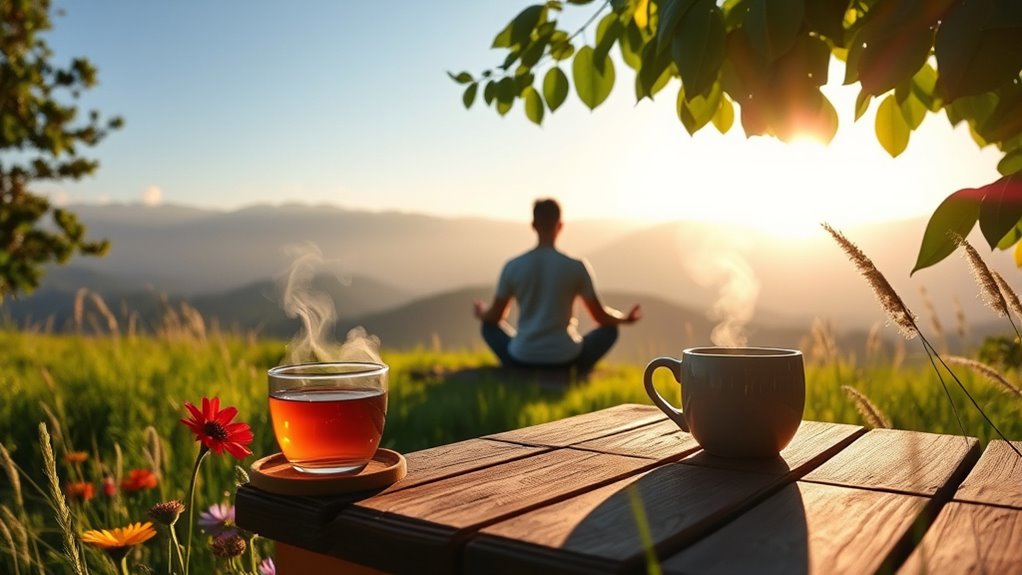
Burnout can sneak up on you when you least expect it, but there are natural ways to prevent it before it takes over. One of the most effective strategies is practicing mindfulness techniques. When you cultivate mindfulness, you become more aware of your body, thoughts, and feelings, which helps you recognize early signs of stress and exhaustion. Instead of ignoring these signals, you learn to pause, breathe deeply, and ground yourself in the present moment. Regular mindfulness exercises, such as meditation, deep breathing, or body scans, can markedly reduce feelings of overwhelm. They allow you to create mental space, reset your focus, and approach your tasks with clarity. Integrating just a few minutes of mindfulness into your daily routine can boost your resilience against burnout, making it easier to handle demanding situations without feeling drained. Additionally, understanding the importance of business strategies like effective time management can further support your mental health and prevent burnout.
Another vital aspect of preventing burnout naturally is mastering effective time management. When your schedule is chaotic or overloaded, stress levels spike, and your energy reserves dwindle faster. You need to prioritize tasks, set realistic goals, and learn to say no when necessary. Break large projects into smaller, manageable steps to avoid feeling overwhelmed. Use tools like calendars or to-do lists to organize your day, ensuring you allocate sufficient time for breaks and self-care. By managing your time wisely, you prevent tasks from piling up, which often leads to last-minute stress and exhaustion. Remember, it’s not about doing everything but focusing on what truly matters. Establishing boundaries around your work hours and sticking to them can help you create a healthier balance between work and relaxation. When you give yourself permission to step back and recharge, you’re less likely to burn out.
Combining mindfulness techniques with effective time management creates a powerful defense against burnout. These practices reinforce each other—mindfulness helps you stay present and aware of your limits, while good time management ensures you don’t push yourself beyond those limits. It’s essential to listen to your body’s signals and adjust your routines accordingly. If you notice signs of fatigue, take a moment to pause and reevaluate your workload or mental state. Developing these habits takes consistency, but the payoff is a more balanced, less stressful life. You gain better control over your energy levels and emotional well-being, making burnout less likely to take hold. By proactively integrating mindfulness and time management into your daily routine, you build resilience and foster a sustainable approach to work and life.

BestQool Red Light Therapy, Dual Chip Elite Grade LED Red Infrared Light Device with Near-Infrared Light 660nm 850nm High Power Red Light Therapy Panel at Home, Ideal for Body, Face, 105W (Black 60)
Say Goodbye To Expensive Spa: Saving numerous time and money to take care of body at home. 10...
As an affiliate, we earn on qualifying purchases.
Frequently Asked Questions
Can Specific Foods Help Reduce Burnout Symptoms?
Yes, specific foods can help reduce burnout symptoms. You should focus on nutrient-dense foods like leafy greens, nuts, and seeds, which provide essential vitamins and minerals. An antioxidant-rich diet with berries, dark chocolate, and colorful vegetables can combat stress and inflammation. These foods support your energy levels, mood, and overall resilience, making it easier to manage burnout naturally. Eating this way promotes mental clarity and physical vigor.
How Does Sleep Quality Influence Burnout Prevention?
Think of sleep quality as your body’s recharge button; when it’s strong, burnout stays at bay. Poor sleep hygiene and restless routines drain your energy and increase stress, making burnout more likely. I once ignored restful routines, and my energy plummeted. Prioritizing consistent sleep and creating calming bedtime habits helped me stay resilient. Good sleep restores your mental clarity and emotional balance—key to preventing burnout before it takes hold.
Are There Natural Supplements That Boost Energy Levels?
You can boost your energy levels naturally with herbal remedies and adaptogenic herbs like ashwagandha, Rhodiola, and ginseng. These supplements help your body adapt to stress, reduce fatigue, and improve mental clarity. Incorporate them into your daily routine, but consult a healthcare professional first, especially if you’re on medication. By using these natural options, you support your energy and resilience without relying on caffeine or artificial stimulants.
How Does Social Support Impact Burnout Recovery?
Social support plays a crucial role in your burnout recovery by boosting emotional resilience. When you connect with peers and receive encouragement, you feel less isolated and more motivated to heal. Peer encouragement offers understanding and validation, helping you manage stress better. This support system strengthens your ability to bounce back, making it easier to recover naturally from burnout. Prioritize building strong relationships to enhance your emotional resilience and recovery process.
Can Meditation Replace Other Burnout Prevention Strategies?
Meditation alone can’t replace other burnout prevention strategies, but it’s a powerful tool for stress reduction. Incorporating mindfulness practices helps you stay present, manage anxiety, and boost resilience. Regular meditation complements activities like exercise, proper sleep, and setting boundaries, creating a holistic approach. By weaving these strategies together, you effectively prevent burnout, maintaining your mental and physical health over time.

Red Light Therapy for Face and Body, Red Infrared Light Therapy Lamp with Stand Led 660nm Red Light-Therapy& 850nm Infrared Light Device for Body
RED LIGHT THERAPY LAMPS DEVICE: Viconor red light therapy lamp has 120 LEDs light, each light includes 1...
As an affiliate, we earn on qualifying purchases.
Conclusion
Remember, preventing burnout is within your control. Incorporate regular breaks, stay active, and prioritize self-care to keep stress at bay. Did you know that over 77% of employees experience burnout at least sometimes? By making small, intentional changes, you can boost your resilience and maintain your well-being naturally. Don’t wait until it’s too late—take proactive steps today, and you’ll feel more energized, focused, and balanced tomorrow.
Amazon Product B0DNZ3GPB8
As an affiliate, we earn on qualifying purchases.

BONTANNY Red Light Therapy Full Body Panel, 480/630/660/810/830/850/1060nm 7 Wavelengths Blue Red Near Infrared Light Device with 300 Dual Chip Clinical Grade LEDs, Remote Control, Timer, BO-1500
Professional 7-Wavelength Full-Body Therapy - Featuring clinically-proven wavelengths (480nm/630nm/660nm/810nm/830nm/850nm/1060nm) for comprehensive care from skin to deep tissue. Blue...
As an affiliate, we earn on qualifying purchases.