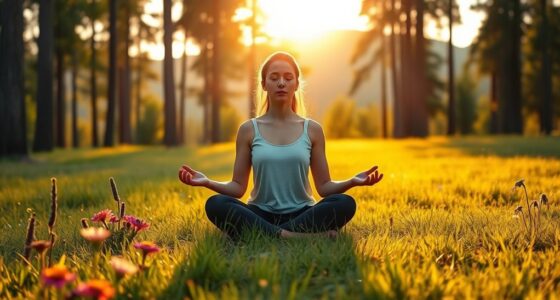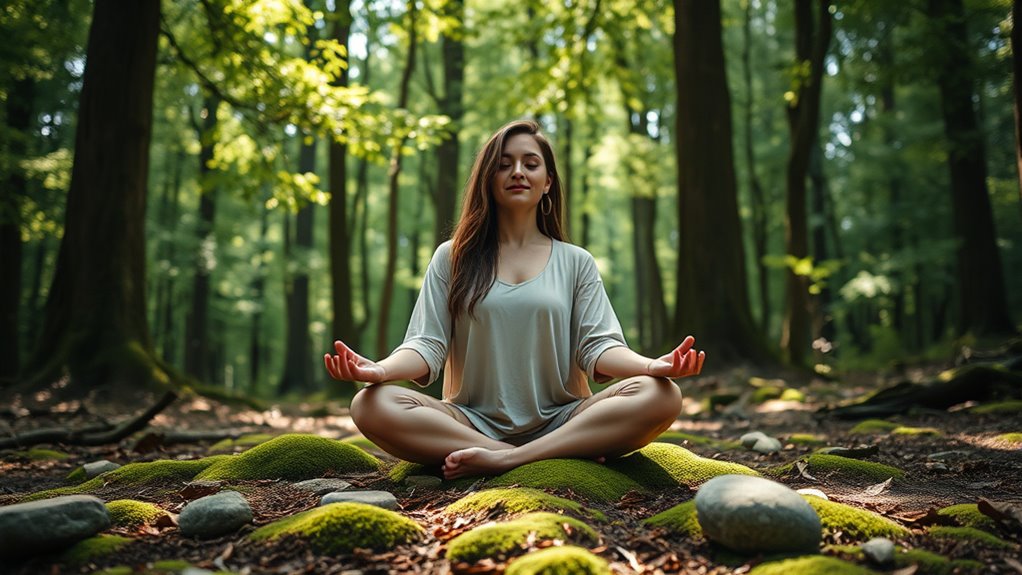

Grounding yoga for stability helps you build physical and mental resilience by focusing on deliberate postures, mindful breathing, and present-moment awareness that keep you anchored regardless of external chaos. By practicing poses like mountain or tree, along with deep, slow breaths, you activate your parasympathetic nervous system and cultivate calmness. As you develop these habits, you’ll notice increased balance, clarity, and confidence in daily life—keep exploring to discover how these principles support your overall well-being.
Key Takeaways
- Grounding yoga emphasizes postures like mountain and tree pose to promote physical stability and rootedness.
- Mindful breath control activates the parasympathetic nervous system, enhancing relaxation and emotional balance.
- Focusing on sensations and deliberate movements cultivates present-moment awareness and mental clarity.
- Regular practice strengthens physical support systems, fostering resilience and steadiness in daily life.
- Short, focused sessions integrate mindfulness and breath, improving overall stability without requiring extensive time.
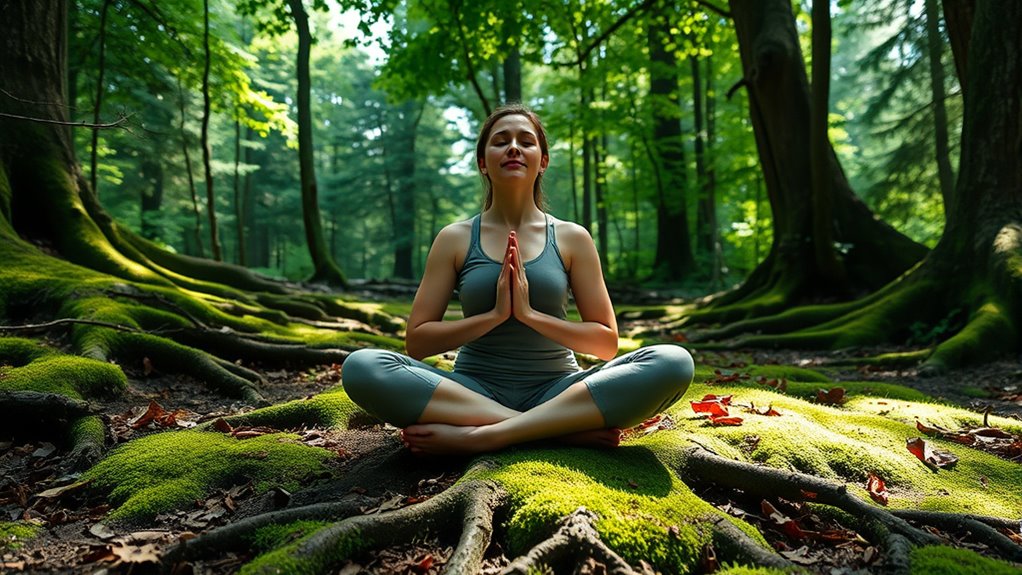
If you’re seeking a sense of steadiness and calm amidst life’s chaos, grounding yoga offers an effective solution. This practice centers on cultivating stability within your body and mind, helping you feel more anchored regardless of external circumstances. One of the key components of grounding yoga is mindfulness practice, which involves deliberately bringing your attention to the present moment. By focusing fully on your breath, sensations, and movements, you create a mental space that fosters calmness and clarity. This heightened awareness allows you to respond to stress with greater resilience rather than reacting impulsively.
Breath control plays a pivotal role in grounding yoga, serving as a bridge between your mind and body. As you move through various poses, you learn to regulate your breathing, slowing it down and making it deeper. This controlled breathing helps activate the parasympathetic nervous system, which promotes relaxation and reduces feelings of anxiety or overwhelm. When you consciously control your breath, you anchor yourself in the here and now, making it easier to stay present even during difficult moments. In turn, this enhances your overall sense of stability and emotional balance.
Additionally, incorporating consistent practice can lead to long-term benefits, such as improved mental clarity and emotional resilience. As you practice, you’ll find that grounding yoga encourages you to connect more deeply with your physical sensations. You might notice the feel of your feet pressing into the ground or the sensation of air moving in and out of your lungs. These small, mindful observations reinforce your feeling of being rooted in the moment. The physical postures in grounding yoga are often deliberate and steady, emphasizing balance and support. Poses like mountain pose, warrior, and tree help cultivate a sense of rootedness, which can carry over into your daily life, making you feel more centered and secure.
Integrating mindfulness practice and breath control into your routine doesn’t require hours of effort. Even a few minutes of focused breathing or mindful awareness during your day can considerably improve your sense of stability. Over time, these practices become habits that help you manage stress more effectively and maintain a grounded outlook regardless of external chaos. Grounding yoga isn’t about achieving perfect poses but about fostering a steady, calm presence within yourself. With regular practice, you’ll develop a resilient foundation that supports your mental and physical well-being, helping you navigate life’s ups and downs with greater ease. Recognizing the role of mindfulness in fostering stability can deepen your understanding of how these practices support your overall health.

Grounding Yoga Mat – Exercise Fitness Pad, 71×24 Inch Upgraded Non-Slip Grounding Pad with 15ft Cord, Earth Connected Mats for Yoga Sleep Work Meditation Anxiety Reduction
HOW IT WORKS: Grounding uses the earth's natural energy to neutralize harmful electrons in your body, thus helping…
As an affiliate, we earn on qualifying purchases.
As an affiliate, we earn on qualifying purchases.
Frequently Asked Questions
Can Grounding Yoga Help With Anxiety?
Yes, grounding yoga can help with anxiety by promoting calmness and focus. It encourages mindfulness meditation, which helps you stay present and reduce racing thoughts. The gentle movements and breath work in grounding yoga serve as effective stress reduction techniques, calming your nervous system. Regular practice can improve your overall sense of stability, making it easier to manage anxiety and feel more centered throughout your day.
How Often Should I Practice Grounding Yoga?
You should practice grounding yoga about 3 to 4 times a week for peak benefits. Following the frequency guidelines helps you build practice consistency, which is key to achieving stability and reducing anxiety. Keep in mind that consistency matters more than intensity, so listen to your body and stick with your routine. Regular practice will strengthen your sense of grounding and enhance overall mental and physical well-being.
Is Grounding Yoga Suitable for Beginners?
Yes, grounding yoga is suitable for beginners. It features beginner-friendly poses that focus on stability and balance, making it accessible for those new to yoga. You’ll learn foundational principles like breath awareness and proper alignment, which help build confidence and a strong base. Practicing regularly allows you to develop a sense of calm and stability, gradually increasing your comfort with more advanced poses in a safe, supportive way.
What Equipment Is Needed for Grounding Yoga?
Imagine you’re practicing grounding yoga at home, feeling centered. To do this, you mainly need a good yoga mat or grounding mat. These provide a stable, non-slip surface and help connect you to the earth’s energy. Some people also use a blanket or cushion for comfort. With just these items, you can easily create a calming, grounding practice that enhances your stability and focus.
Can Grounding Yoga Improve Athletic Performance?
Yes, grounding yoga can improve your athletic performance by enhancing your balance and stability. As you practice, you develop better proprioception and core strength, which help prevent injuries during activity. This increased stability allows you to move more efficiently and confidently, leading to improved performance. Incorporating grounding yoga into your routine can be a simple, effective way to boost your overall athletic capabilities and reduce the risk of setbacks.

Cork Yoga Blocks 2 Pack Set, Natural Cork Soft Non-Slip Yoga Blocks, High Density & Eco Friendly Yoga Accessories for Women| Men, Ideal for Yoga, Pilates, Stretching and Toning
Natural and Safe Material: Made from high-quality natural 100% Eco cork, Unlike all foam blocks, which is sturdy…
As an affiliate, we earn on qualifying purchases.
As an affiliate, we earn on qualifying purchases.
Conclusion
As you gently settle into your practice, imagine roots softly extending from your feet into the Earth’s embrace, offering quiet support. With each breath, feel your connection deepen, anchoring you amidst life’s gentle sways. Embrace this sense of steadiness, like a sturdy tree standing tall through changing seasons. Remember, your inner stability blooms from patience and care. Keep nurturing this foundation, and you’ll find calmness flowing through every part of your day, grounding you with unwavering grace.

Retrospec Sedona Zafu Meditation Cushion Filled w/Buckwheat Hulls – Yoga Pillow for Meditation Practices – Machine Washable 100% Cotton Cover & Durable Carry Handle, Crescent, Black
NATURAL COMFORT & SUPPORT: Filled with sustainable buckwheat hulls, this meditation cushion elevates your practice by aligning your…
As an affiliate, we earn on qualifying purchases.
As an affiliate, we earn on qualifying purchases.
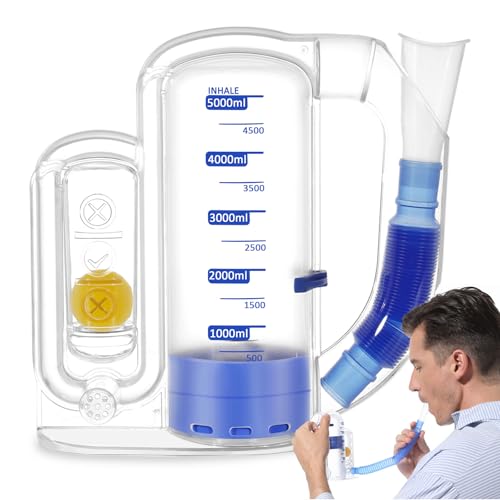
Incentive Spirometer Adult, Breathing Exercise Device for Lungs, Deep Breathing Trainer for Adults – 5000ml Volume Measurement with Flow Rate Indicator
Leading 5000ml Capacity: Our device offers an impressive maximum capacity of 5000 milliliters (5 liters), providing a much…
As an affiliate, we earn on qualifying purchases.
As an affiliate, we earn on qualifying purchases.