TL;DR

Turn your wind-down time into listening time
- Thousands of audiobooks, podcasts and originals
- Listen on your phone, tablet or Echo — also offline
- Cancel anytime
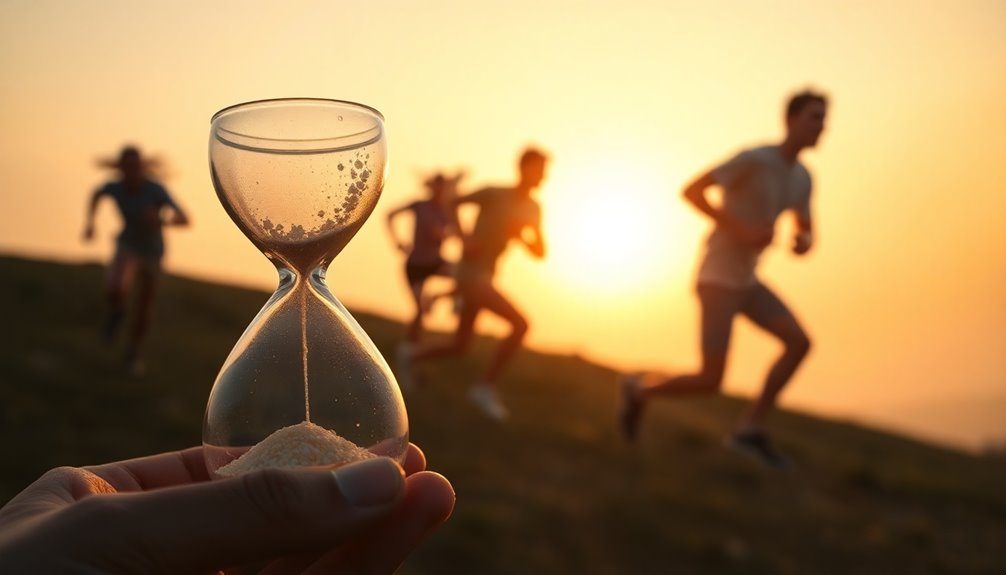
A personal essay published by Sixty and Me describes how summer hiking, gardening, travel and family connections helped its author feel physically stronger and emotionally prepared for colder months. The account is an individual reflection, not a study or a general finding about how summer affects health.
Sixty and Me has published a first-person essay about how summer hiking, gardening, travel and time with family helped its author feel ready for fall and winter. The writer describes gains in confidence and enjoyment of movement, along with memories and preserved food she expects to draw on during the colder, darker months.
The author says a long hiking season helped her feel more capable in her body. Walking, balancing and climbing on trails became regular activities, and she reports feeling steadier, with less knee swelling after a four-hour hike and improved posture from carrying a pack. She also says a back problem she associates with an earlier rowing movement seemed to have receded. These are the writer’s personal observations; the essay does not provide medical records or independent evidence about the cause of the changes.
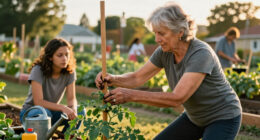
Gardening offered a second source of activity and pleasure. The writer lists spring and summer produce including peas, fava beans, greens, broccoli, potatoes, berries, grapes and apples. She says tending the garden brought movement and joy, while eating the harvest gave her a sense of nourishment and delight. She also describes preserving some of the season’s food as dried fruit, salsa and pesto to bring familiar summer flavors into winter.
Travel and relationships also feature in the account. The author recalls meeting people, communicating across language differences and renewing family ties through shared experiences and physical affection. She says open landscapes, forests, snowfields and waterfalls encouraged her to keep exploring. Taken together, the experiences left her with stories, a stronger sense of connection and a feeling of being “filled with life,” as she looks toward the coming seasons.
Summer Habits Carry Into Winter
The essay offers a personal account of how outdoor activity, food and social connection can shape someone’s experience of seasonal change. Its value for readers is practical and reflective: the author identifies specific parts of summer she hopes to carry forward, including walking, skiing, preserved food and memories of people and places.
It does not establish that these activities will have the same effects for others, or that they prevent or treat health conditions. Instead, the piece frames preparation for winter as more than stocking a pantry: the writer also draws on confidence from hiking and a sense of belonging built through relationships. Readers may find the account useful as a prompt to identify their own sources of energy and comfort.
As an affiliate, we earn on qualifying purchases.
A Personal Seasonal Reflection
The piece is written in the first person and looks back on the preceding six months of longer days, travel and hiking. The author begins with the shortening daylight and describes summer as a period of movement, food, social encounters and play. She then considers how those experiences might sustain her as winter approaches.
The essay is not presented in the supplied source material as a scientific report, formal health assessment or survey. Its statements about brain changes, physical improvement and nourishment come from the writer’s own interpretation of her experiences. The distinction matters: the article records what one person says summer meant to her, rather than making a tested claim about seasonal effects across a population.
“I gained confidence this summer. I can still use my body in ways I feared I had lost.”
— The essay’s author
As an affiliate, we earn on qualifying purchases.
What the Essay Does Not Establish
The supplied material does not give the article’s publication date, identify the author by name, or provide independent verification of the physical changes described. It is also unclear whether the reported changes in knee swelling, posture and back symptoms were assessed by a health professional. The essay does not claim that summer activities caused those changes in a medically established way.
Nor does the account measure how common these experiences are or whether readers would respond similarly. The author’s reflections on brain activity, health and seasonal energy remain personal interpretations rather than findings supported by data presented in the article.
outdoor hiking backpacks for women
As an affiliate, we earn on qualifying purchases.
As an affiliate, we earn on qualifying purchases.
The essay closes by describing how the author plans to carry the season forward: summer preserves will remain in the pantry, while brisk walks or ski runs may provide movement and time outdoors. She also expects autumn colors and winter landscapes to offer new sensory experiences. The source material does not announce a follow-up report or a specific future publication.
The piece ends by inviting readers to share whether summer gives them a sense of renewed energy and what they learned that helps them prepare emotionally for fall and winter. Those responses could extend the conversation, but no reader results or broader conclusions are included in the supplied material.
As an affiliate, we earn on qualifying purchases.
Key Questions
What is the Sixty and Me article about?
It is a first-person reflection on how hiking, gardening, travel and family connections helped the writer feel prepared for fall and winter.
What changes did the writer report after hiking?
The author says she felt steadier and more confident, experienced less knee swelling after a long hike, and noticed straighter posture. These are personal observations, not independently verified medical findings.
Does the essay show that summer activities improve health?
No. The piece shares one person’s experience and does not present research or evidence that the activities cause the same effects for other people.
How does the writer plan to carry summer into winter?
She expects to draw on preserved foods and memories of summer, and mentions brisk walks or skiing as ways to enjoy movement and winter scenery.
Source: rss
Fall Picks
fall essentials
As an affiliate, we earn on qualifying purchases.