

To catch stress before it takes over, pay attention to early signs like irritability, fatigue, or difficulty concentrating. Notice if your mind is racing or you’re experiencing muscle tension—these are signals to pause and assess. Practice mindfulness techniques such as deep breathing and grounding yourself in the present moment. Incorporating proactive strategies like regular breaks and sound healing can keep stress in check. Keep exploring to discover more ways to manage stress effectively.
Listen free for 30 days with Audible
Thousands of audiobooks and originals — cancel anytime.
As an affiliate, we earn on qualifying purchases.
Key Takeaways
- Recognize early signs like irritability, fatigue, and muscle tension to intervene promptly.
- Practice mindfulness techniques, such as deep breathing, to stay present and prevent escalation.
- Incorporate stress management methods like sound healing and calming frequencies regularly.
- Use time management tools to break tasks into manageable steps, reducing overwhelm.
- Schedule regular breaks with activities like walking or stretching to address stress signs proactively.
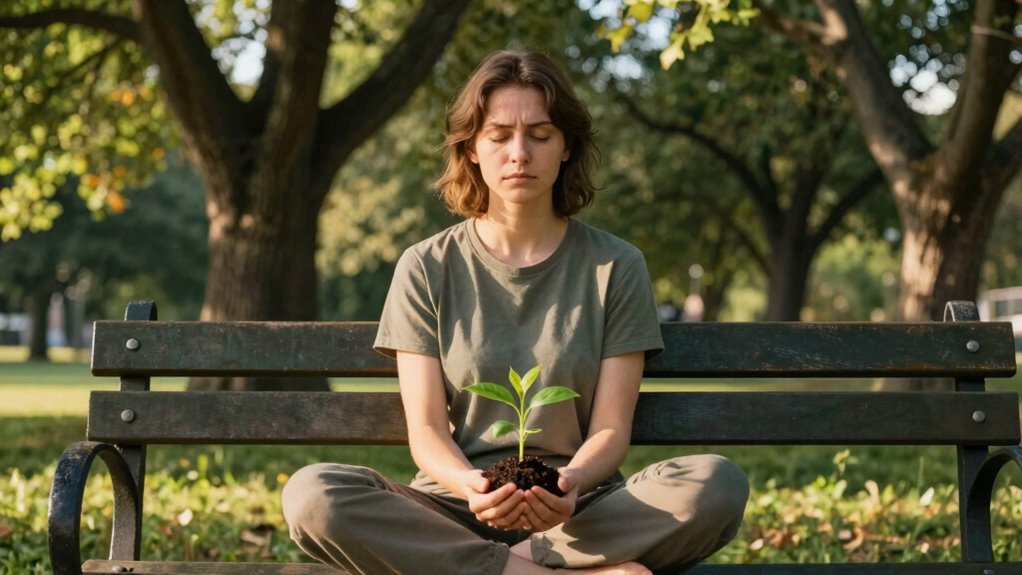
Stress often sneaks up on you, quietly building until it becomes overwhelming. One moment, everything feels manageable, and the next, you’re overwhelmed by a flood of worries and tension. The key to preventing this is recognizing the signs early and implementing practical strategies. Mindfulness techniques are especially effective because they teach you to stay present and aware of your feelings before they spiral out of control. When you notice your mind racing or your muscles tense, pause and take a few deep breaths. Focus on the sensation of each inhale and exhale, grounding yourself in the present moment. This simple act can interrupt the stress response and help you regain clarity. Over time, practicing mindfulness becomes a reflex, allowing you to catch stress early rather than letting it fester. Incorporating stress management strategies into your routine can further enhance your ability to stay calm under pressure. Additionally, engaging in sound healing science, such as listening to calming frequencies, can support your efforts to maintain emotional balance.
Another essential approach is managing your time effectively. Poor time management often contributes to stress, as deadlines loom and tasks pile up. To stay ahead, break your responsibilities into smaller, manageable chunks and prioritize them based on urgency and importance. Use tools like calendars, to-do lists, or digital reminders to keep track of deadlines and commitments. When you have a clear plan, you’re less likely to feel overwhelmed by the sheer volume of tasks. Setting realistic goals each day also prevents you from overcommitting, which can lead to burnout. Remember, it’s okay to say no when your plate is full. Respect your limits, and don’t sacrifice your well-being for the sake of productivity. Recognizing the role of contrast ratio in images can be paralleled here — understanding the balance helps prevent the overload that leads to stress. Developing modern life skills such as adaptability and resilience can also empower you to better handle unexpected stressors.
In addition to mindfulness and time management, developing a routine that includes regular breaks can make a significant difference. Short, intentional pauses during your day allow your mind to reset. Whether it’s a quick walk outside, stretching, or a few minutes of meditation, these moments help you prevent stress from accumulating. Recognizing early signs—like irritability, fatigue, or difficulty concentrating—and responding with these proactive measures keeps stress from spiraling out of control. The goal isn’t to eliminate stress entirely but to catch it in its infancy, so it doesn’t take over your life. By integrating mindfulness techniques, improving your time management, and taking regular breaks, you build resilience against stress, maintaining your calm and focus even during busy or challenging days. Incorporating sound vibrations or engaging in sound healing practices can further support your efforts to stay centered and relaxed.

Florensi Meditation Cushion Grey Velvet Buckwheat Round Yoga Floor Seat
- Comfortable Meditation Seating: Stable and supportive for meditation and yoga
- Buckwheat Filled Cushion: Conforms to your seating for support
- Soft Velvet Cover: Stylish and comfortable surface for daily use
As an affiliate, we earn on qualifying purchases.
As an affiliate, we earn on qualifying purchases.
Frequently Asked Questions
Can Stress Be Entirely Prevented in Daily Life?
Stress can’t be entirely prevented, but you can catch it early by practicing mindfulness techniques and managing your time effectively. When you stay aware of your emotions and reactions, you spot stress signs sooner. Prioritizing tasks and setting boundaries helps you stay in control. By regularly using mindfulness and time management strategies, you reduce the chances of stress taking over, allowing you to handle daily challenges more calmly and confidently.
What Are Early Signs of Unmanaged Stress?
Early signs of unmanaged stress are like warning bells ringing in your mind—you’re irritable, anxious, or having trouble sleeping. You might notice your patience wearing thin or your focus slipping away. To catch these signs, practice mindfulness exercises and improve your time management, helping you stay grounded. Recognizing these cues early allows you to address stress before it spirals, keeping your mental health steady and resilient.
How Quickly Can Stress Impact Physical Health?
Stress symptoms can impact your physical health within minutes to hours if left unmanaged. When stress hits, your body releases hormones that temporarily boost alertness but can weaken your physical resilience over time. You might notice symptoms like headaches, fatigue, or a racing heart quickly, signaling that your body’s stress response is active. Recognizing these signs early helps you take action to protect your physical health before long-term damage occurs.
Are There Specific Foods That Help Reduce Stress?
Imagine your stress as a wild beast, and these foods are your trusty tranquilizer darts. Nutrient-rich foods like nuts, dark chocolate, and berries can help calm your nerves, while calming beverages such as chamomile tea and warm milk soothe your mind. Incorporate these into your diet to keep stress at bay, transforming chaos into calm. Your secret weapon? A well-stocked pantry of stress-busting goodness.
How Does Sleep Influence Stress Levels?
Good sleep quality directly influences your stress levels. When you sleep well, your body reduces stress hormones like cortisol, helping you feel calmer and more in control. Poor sleep, on the other hand, can increase these hormones, making you more vulnerable to stress. By prioritizing restful sleep, you support your body’s ability to manage stress effectively, keeping you balanced and resilient throughout your day.
As an affiliate, we earn on qualifying purchases.
Conclusion
By catching stress early, you keep it from taking root like weeds in a garden. Pay attention to your body’s signals and take small steps to calm your mind—deep breaths, a quick walk, or a moment of mindfulness. Remember, you’re the captain of your ship; steer clear of stormy waters before they swell. When you stay proactive, stress becomes just a passing shadow, not the storm itself.
stress relief essential oil diffuser
As an affiliate, we earn on qualifying purchases.
As an affiliate, we earn on qualifying purchases.
As an affiliate, we earn on qualifying purchases.
Fall Picks
fall essentials
As an affiliate, we earn on qualifying purchases.