
Silent meditation allows you to harness the power of quiet mindfulness by calming your thoughts and focusing on the present moment. It helps clear mental clutter, reduce stress, and cultivate inner peace. By consistently practicing, you’ll improve focus, emotional balance, and self-awareness, creating a refuge from daily stresses. Quiet meditation reveals your inner landscape with clarity and compassion. If you keep exploring, you’ll discover even deeper ways to experience and deepen this peaceful state.
Key Takeaways
- Silent meditation enhances self-awareness, emotional balance, and mental clarity through focused, distraction-free practice.
- It fosters a deep sense of inner peace and resilience by observing thoughts without judgment.
- Regular silent meditation refines mindfulness, improving focus and decision-making in daily life.
- Simplifying the practice with minimal external cues helps cultivate patience and emotional regulation.
- The quiet mind developed through meditation acts as a refuge, reducing stress and increasing overall well-being.
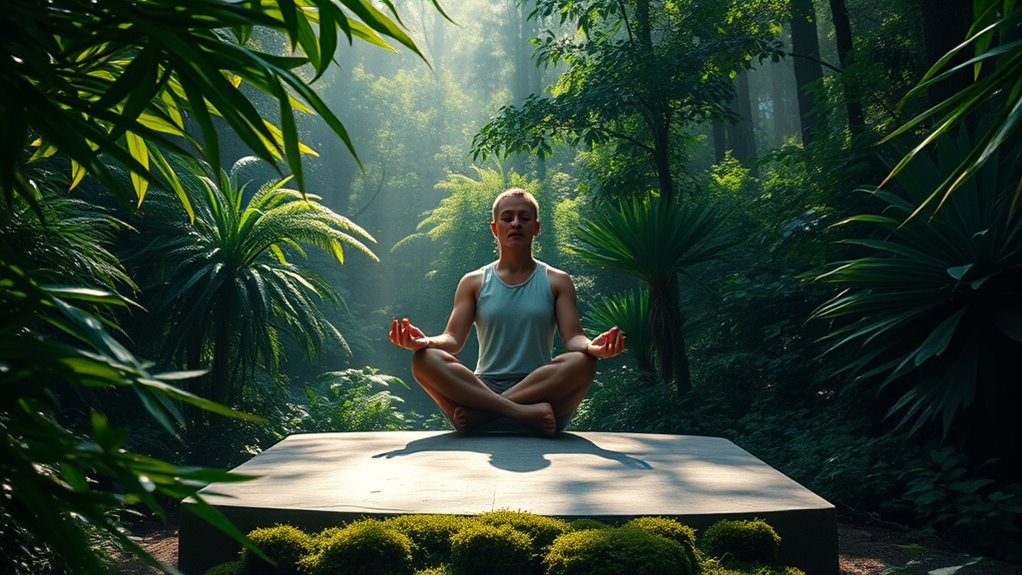
Silent meditation offers a powerful way to calm your mind and reconnect with yourself without distractions. When you sit in silence, you give yourself space to clear mental clutter, reduce stress, and develop a deeper awareness of your inner state. Many people turn to silent meditation because it allows you to experience the true essence of mindfulness benefits—enhanced focus, emotional balance, and greater clarity. Unlike guided sessions or busy environments, silent meditation encourages you to explore your thoughts and feelings directly, cultivating a sense of peace that persists beyond your practice.
Silent meditation clears mental clutter, reduces stress, and deepens self-awareness, fostering lasting peace and mindfulness beyond your practice.
One of the core reasons silent meditation is so effective is that it simplifies your meditation techniques. Without external cues or instructions, you learn to tune into your breath, bodily sensations, or simply the present moment. This minimalistic approach helps you build resilience against distractions and strengthens your ability to stay grounded. As you become more familiar with sitting quietly, you’ll notice your mind naturally begins to settle, making it easier to observe your thoughts without judgment. This practice of observing rather than reacting is a key meditation technique that deepens your mindfulness benefits over time.
To start, find a comfortable, quiet spot where you won’t be disturbed. Close your eyes or soften your gaze, and take slow, deep breaths. Focus your attention on the sensation of inhaling and exhaling. If your mind begins to wander, gently bring it back to your breath without frustration. This gentle return is a crucial meditation technique—over time, it becomes easier to maintain focus, cultivating patience and mental clarity. Silent meditation doesn’t require complex postures or props; simplicity is its strength. The key is consistency. Even a few minutes each day can greatly enhance your mindfulness benefits, helping you develop a calmer, more centered outlook.
As you practice regularly, you’ll notice that silent meditation becomes a refuge from daily stresses. It sharpens your ability to stay present in everyday situations, improves emotional regulation, and enhances your overall well-being. The quietude invites you to observe your inner landscape without interference, fostering self-awareness and compassion. Over time, this quiet practice can reveal insights about your habits, triggers, and desires, empowering you to make more mindful choices. Additionally, understanding the differences in paint sprayer technology can teach you the value of choosing the right tools for specific tasks, much like selecting the appropriate meditation approach enhances your practice. Ultimately, silent meditation is a straightforward yet profound tool that enables you to cultivate a peaceful, focused mind, enriching your life both on and off the cushion.

Silent Mind Tibetan Singing Bowl Set – Easy to Play & Beginner Friendly Meditation Bowl with Cushion & Mallet | Stress Relief & Mindfulness | Gift-Ready
Calming Resonant Sound: Our Tibetan singing bowl produces rich, soothing tones that support meditation, sound therapy, and mindfulness….
As an affiliate, we earn on qualifying purchases.
As an affiliate, we earn on qualifying purchases.
Frequently Asked Questions
How Long Should I Meditate Daily for Optimal Results?
You should aim for a daily practice of 10 to 20 minutes of meditation to see ideal results. Consistency matters more than duration, so even shorter sessions can be effective if done regularly. If you’re new, start with 5 minutes and gradually increase. Over time, longer meditation sessions can deepen your mindfulness, but the key is maintaining a sustainable meditation duration that fits into your daily routine for lasting benefits.
Can Silent Meditation Help With Anxiety or Depression?
Yes, silent meditation can help with anxiety and depression. By practicing mindfulness techniques, you improve your emotional regulation, reducing symptoms over time. Quiet meditation helps you become more aware of your thoughts and feelings without judgment, fostering a sense of calm. Regular practice strengthens your ability to manage stress and negative emotions, making it an effective tool for easing anxiety and depression.
Is Prior Experience Necessary to Begin Silent Meditation?
No, prior experience isn’t necessary to start silent meditation. It’s accessible for beginners, and you can begin anytime. Focus on mental preparation by setting a calm intention and finding a quiet space. Don’t worry about doing it perfectly; just start with a few minutes daily. Over time, you’ll find it easier to quiet your mind and enjoy the benefits of mindfulness, no matter your experience level.
What Are Common Challenges Faced During Silent Meditation?
Around 60% of beginners struggle with distraction management during silent meditation. You might find your mind wandering or feel physical discomfort. To overcome these challenges, focus on maintaining proper posture techniques, like sitting upright and relaxed. Gentle reminders to stay present help. Remember, it’s normal to face these hurdles initially; with patience and consistent practice, you’ll improve your focus and enjoy the calming benefits of silent meditation.
How Do I Maintain Consistency in My Meditation Practice?
To maintain consistency in your meditation practice, create simple mindfulness routines and stick to a regular meditation schedule. Set specific times each day, like mornings or evenings, and treat them as non-negotiable appointments. Use reminders or alarms to stay on track, and keep your practice enjoyable by focusing on how it benefits you. Over time, these habits will become ingrained, making it easier to stay committed and reap the full benefits of silent meditation.
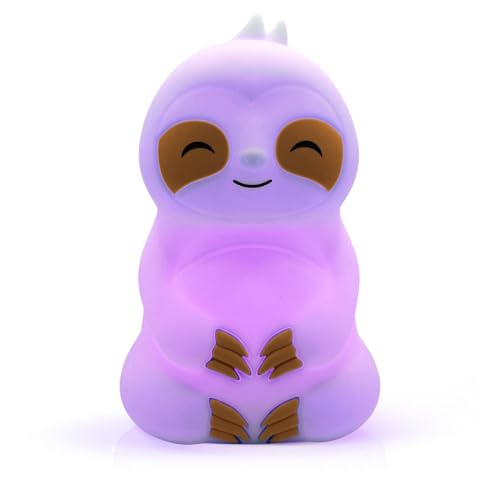
Mindsight 'Breathing Buddha' Slow-It-Down Sloth Guided Visual Meditation Tool for Mindfulness | Slow Your Breathing & Calm Your Mind for Stress & Anxiety Relief | Perfect for Adults & Kids
🧠 SLOW-IT-DOWN SLOTH: Daily guided breathing to help calm & focus your mind during the day or promote…
As an affiliate, we earn on qualifying purchases.
As an affiliate, we earn on qualifying purchases.
Conclusion
As you embrace silent meditation, imagine yourself as a clear lake, calm and reflective beneath the surface. The quietness becomes your mirror, revealing your true self beyond the noise. With each moment of stillness, you cultivate a depth that no storm can disturb. In this peaceful silence, you discover the strength to navigate life’s currents with grace. Remember, in your quietude lies the power to transform chaos into clarity.
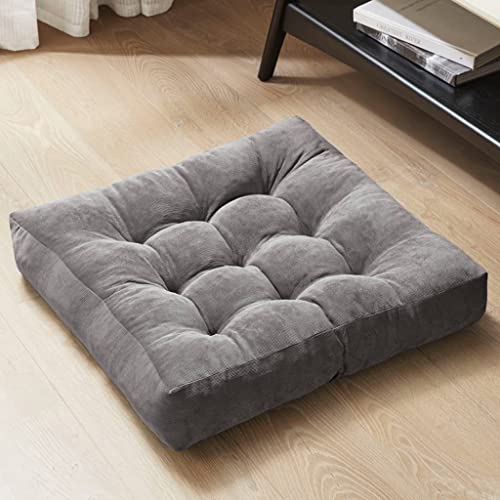
Degrees of Comfort Meditation Floor Pillow, Square Large Pillows Seating for Adults, Gray Tufted Corduroy Cushions for Outdoor Yoga Tatami Fireplace Living Room, Grey, 22×22 Inch
MEMORY FOAM ADDED: Our floor cushion is better in Rebound Speed and Durability than most others on the…
As an affiliate, we earn on qualifying purchases.
As an affiliate, we earn on qualifying purchases.

7 Chakras Cards, Double-Sided Quick Reference Guide for Chakra Healing Meditation Yoga Pose with Crystals, Essential Oils & Affirmations, Spiritual Day Gifts for Her & Him Beginner Friendly
7 Chakras Chart Cards: Each card is printed on both sides and designed with beginners in mind. The…
As an affiliate, we earn on qualifying purchases.
As an affiliate, we earn on qualifying purchases.