Meditation trains you to observe your thoughts and emotions more closely, helping you notice subtle shifts early on. It sharpens your awareness of mental and emotional signals before they become overwhelming. By creating space between stimuli and reactions, you learn to catch negative patterns before they take hold. Over time, this increases your sensitivity to mental changes, allowing you to respond thoughtfully. Keep going, and you’ll discover ways to strengthen this early detection even further.
Key Takeaways
- Meditation sharpens awareness of mental shifts, making it easier to detect thought patterns early.
- It creates a mental space that allows for observing thoughts without immediate reaction.
- Regular practice enhances sensitivity to subtle changes in brain activity linked to specific thoughts.
- Meditation promotes recognition of emotional and cognitive cues signaling negative thought cycles.
- It strengthens the ability to differentiate between passing thoughts and core beliefs, enabling earlier intervention.

Have you ever wondered how some people seem to catch their negative thoughts before they spiral out of control? The secret often lies in their ability to develop mindfulness awareness. When you practice meditation regularly, you gradually sharpen your ability to observe your thoughts without immediately reacting to them. This heightened awareness acts like an early warning system, alerting you when a negative thought is taking shape. Instead of getting lost in the emotion or reacting impulsively, you notice the thought as just that—a passing mental event. This awareness helps you create space between stimulus and response, giving you control over how you respond.
Develop mindfulness to catch negative thoughts early and create space for thoughtful responses.
As you become more skilled in mindfulness, you also improve your emotional regulation. Meditation teaches you to recognize emotional patterns early, so you don’t get overwhelmed by them. When a stressful or negative thought arises, instead of suppressing or denying it, you acknowledge it without judgment. Over time, this practice helps you respond more calmly and thoughtfully, rather than reacting impulsively. You learn to observe your emotional responses with curiosity, which diminishes their intensity and influence over your mood. This process creates a buffer, allowing you to choose healthier responses instead of falling into automatic negative patterns. Developing this mindfulness skill further enhances your capacity to notice subtle shifts in your mental state.
The more you meditate, the better you get at noticing subtle shifts in your mental state. Small signs of anxiety, frustration, or sadness become evident sooner. You might catch yourself ruminating or feeling irritated before it snowballs into a full-blown emotional storm. This early detection is *essential* because it gives you the chance to intervene—perhaps by taking a deep breath, shifting your focus, or simply reminding yourself that thoughts are transient. Recognizing these thought patterns early can help you develop a clearer understanding of your mental landscape and prevent negative cycles from escalating. Additionally, understanding the influence of brainwave patterns through meditation can further support your ability to catch thoughts early. Natural thought patterns are part of your mental landscape, and recognizing them early can prevent negative cycles from intensifying. Through consistent practice, you learn to distinguish between the thought and the reality, which reduces the power of negative thought patterns over your mind.
Furthermore, cultivating an awareness of neural activity through meditation can help you identify the early signs of emotional escalation. Meditation also fosters a non-judgmental attitude towards your thoughts, making it easier to acknowledge them without guilt or shame. This kind of mindfulness awareness creates a safe mental space where you can observe your inner dialogue objectively. As a result, you build resilience against negative thought spirals, catching them earlier and managing them more effectively. Over time, you’ll find yourself better equipped to regulate your emotions, stay centered, and maintain a sense of calm—even in challenging situations. This early detection and emotional regulation are *vital* benefits of regular meditation, empowering you to navigate your mental landscape with clarity and control.
meditation for mindfulness and thought awareness
As an affiliate, we earn on qualifying purchases.
As an affiliate, we earn on qualifying purchases.
Frequently Asked Questions
Can Meditation Eliminate Negative Thoughts Completely?
Meditation can’t completely eliminate negative thoughts, but it enhances your mindfulness awareness, helping you observe these thoughts without judgment. Instead of thought suppression, which often makes negative thoughts worse, meditation teaches you to acknowledge them calmly. Over time, you develop a healthier relationship with your thoughts, reducing their power. You won’t eliminate negativity entirely, but you gain better control and resilience, making negative thoughts less intrusive and easier to manage.
How Long Does It Take to See Results?
You might start noticing results in as little as a few weeks with consistent mindfulness meditation. The key is regular practice, which helps improve your emotional regulation and makes you more aware of thought patterns earlier. Over time, this consistency strengthens your ability to manage negative thoughts and stay present. Remember, patience is essential—long-term commitment yields more profound benefits in mental clarity and emotional balance.
Is Meditation Suitable for Beginners?
Yes, meditation is suitable for beginners. You can start with simple mindfulness techniques or guided practices that walk you through the process. These methods make it easier to focus and understand your thoughts. As you practice regularly, you’ll notice improvements in your awareness and mental clarity. Don’t worry about doing it perfectly—just be consistent, and over time, meditation will become a helpful part of your daily routine.
What Types of Meditation Are Most Effective?
You find your way through a gentle forest, where mindfulness practices guide your steps and focused breathing clears the path. These meditation types are most effective because they cultivate awareness and presence, allowing you to notice thought patterns earlier. By embracing simplicity—like paying close attention to your breath and surroundings—you’ll deepen your practice. Over time, this mindfulness nurtures clearer insights, helping you navigate your mind’s landscape with calm and clarity.
Can Meditation Improve Overall Mental Health?
Yes, meditation can improve your overall mental health by fostering mindfulness integration and boosting emotional resilience. As you meditate regularly, you become more aware of your thoughts and feelings, which helps you manage stress better. This practice strengthens your ability to stay present and respond calmly to challenges, ultimately enhancing your mental well-being. Over time, you’ll notice increased emotional resilience, making it easier to handle life’s ups and downs.
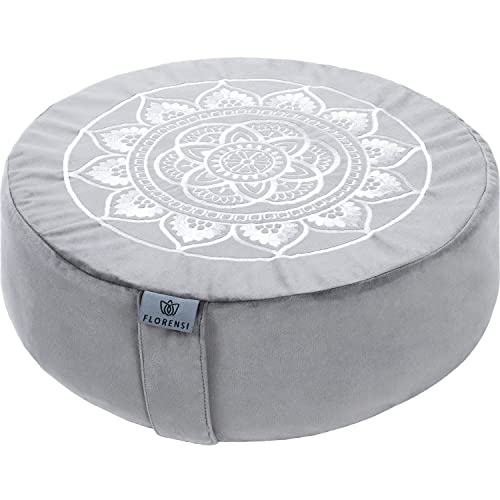
Florensi Meditation Cushion Grey Velvet Buckwheat Round Yoga Floor Seat
- Comfortable Meditation Seating: Stable and supportive for meditation and yoga
- Buckwheat Filled Cushion: Conforms to your seating for support
- Soft Velvet Cover: Stylish and comfortable surface for daily use
As an affiliate, we earn on qualifying purchases.
As an affiliate, we earn on qualifying purchases.
Conclusion
As you deepen your meditation practice, imagine yourself standing atop a hill at dawn, watching your thoughts drift by like clouds. With each session, you become more attuned to these fleeting shapes, catching them earlier before they fully take hold. This awareness becomes your guiding light, illuminating patterns before they obscure your clarity. Keep practicing, and you’ll find yourself steering your mind’s sky with newfound ease, spotting the clouds before they cast shadows on your day.
guided meditation for emotional regulation
As an affiliate, we earn on qualifying purchases.
As an affiliate, we earn on qualifying purchases.
brainwave entrainment meditation audio
As an affiliate, we earn on qualifying purchases.
As an affiliate, we earn on qualifying purchases.