
Meditation can be a powerful tool to help manage anxiety by calming your mind and slowing racing thoughts. You can practice mindfulness techniques, focusing on your breath or observing your feelings without judgment. Incorporating short sessions into your daily routine, like before bed or during breaks, boosts your emotional control over time. If you keep exploring these methods, you’ll discover even more ways to incorporate meditation into your life for lasting relief.
Key Takeaways
- Meditation calms the mind, reduces stress, and trains the brain to recognize and diminish anxious patterns.
- Mindfulness techniques help increase awareness of thoughts and bodily sensations without judgment.
- Breathing exercises regulate the nervous system, slow racing thoughts, and physically relax muscles.
- Incorporating short, consistent meditation sessions into daily routines enhances long-term anxiety management.
- Developing patience and practicing regularly builds resilience, improves emotional control, and supports overall mental health.
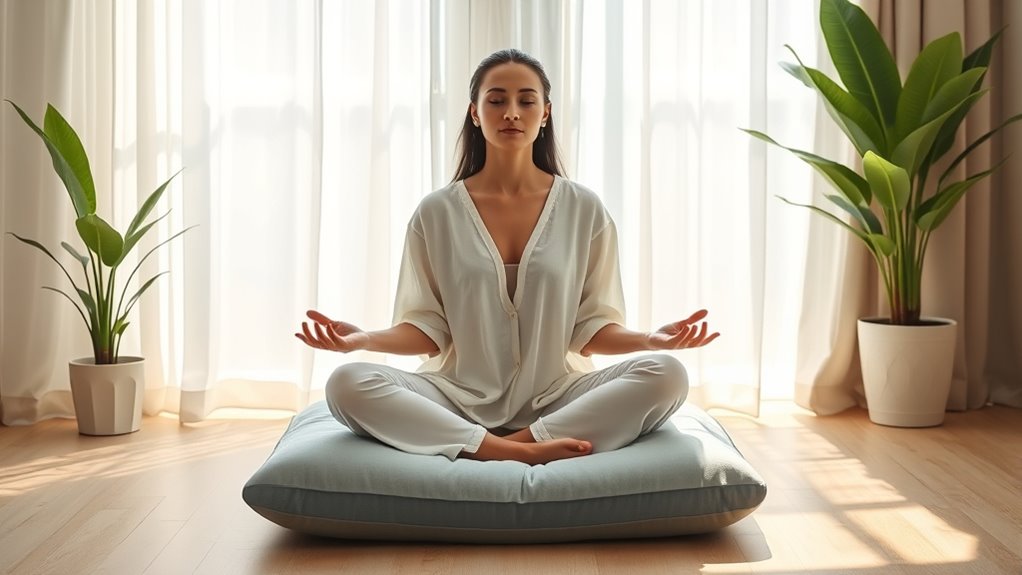
If you’re feeling overwhelmed by anxiety, meditation can be a powerful tool to help calm your mind and reduce stress. One effective way to start is by practicing mindfulness techniques. These involve paying close attention to your thoughts, feelings, and bodily sensations without judgment. When you notice your mind drifting to worries, gently bring your focus back to the present moment. This practice trains your brain to become more aware of anxious patterns and gradually diminishes their power over you. Mindfulness can be incorporated into daily routines, such as during a walk or while eating, making it accessible anytime you need a quick mental reset. Developing a consistent practice also helps reinforce your ability to manage anxiety over time.
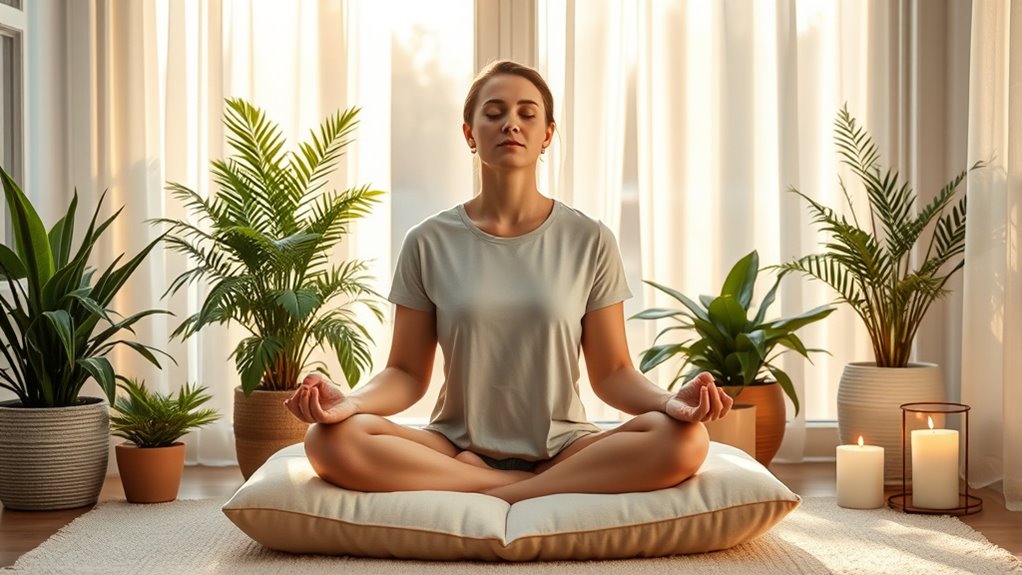
Breathing exercises are another cornerstone of meditation for anxiety relief. They help regulate your nervous system and slow down racing thoughts. A simple yet effective exercise is deep diaphragmatic breathing. To do this, sit comfortably, place one hand on your chest and the other on your stomach. Breathe in slowly through your nose, filling your lungs and expanding your abdomen. Hold the breath briefly, then exhale fully through your mouth or nose. Focus entirely on your breath, noticing the sensation of air entering and leaving your body. This method not only calms your mind but also physically relaxes your muscles, reducing the physical symptoms of anxiety like rapid heartbeat and shallow breathing.
As you incorporate these mindfulness techniques and breathing exercises into your daily routine, you’ll start to notice a gradual decrease in your anxiety levels. Consistency is key; even a few minutes each day can make a significant difference. When practicing, aim for a quiet, comfortable space free from distractions. Set aside dedicated time, perhaps in the morning or before bed, to establish a calming routine. Over time, these techniques become second nature, giving you a reliable toolkit to manage anxiety as it arises. Remember, meditation isn’t about eliminating anxiety completely but rather learning to observe it without becoming overwhelmed. With patience and practice, you’ll find that your mind becomes more resilient, your stress levels decrease, and you gain a greater sense of control over your emotional well-being. Building awareness through evidence-based insights can enhance your meditation practice and improve your overall mental health.
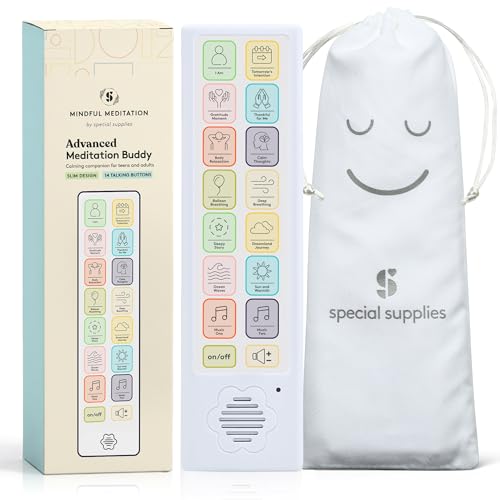
Special Supplies Meditation Buddy – Screen-Free Mindfulness & Breathing Device for Stress Relief, Daily Meditation, Anxiety Relief, Calm Focus & Emotional Balance for Kids and Adults (Adults)
Screen-Free Mindfulness Tool – Enjoy guided meditation, calm breathing, and daily mindfulness without apps, phones, or distractions. Perfect…
As an affiliate, we earn on qualifying purchases.
As an affiliate, we earn on qualifying purchases.
Frequently Asked Questions
Can Meditation Replace Medication for Anxiety?
Meditation can’t fully replace medication for anxiety, especially if your symptoms are severe. However, meditation effectiveness as a medication alternative is promising for managing mild to moderate anxiety. It helps you develop mindfulness, reduce stress, and improve emotional regulation. You should consult your healthcare provider to determine the best approach, as combining meditation with medication often yields the most effective results. Don’t stop your prescribed treatment without professional guidance.
How Long Should I Meditate Daily for Anxiety Relief?
Think of meditation like watering a plant; consistent daily practice time helps it thrive. For anxiety relief, aim for at least 10 to 20 minutes of meditation each day. Starting with this duration makes it manageable and effective. As you build a routine, you may find extending your sessions boosts benefits. Regular meditation helps you stay grounded and reduces anxiety over time, much like nurturing growth with steady care.
Is Meditation Effective for Severe Anxiety Disorders?
Meditation can be effective for severe anxiety disorders, but its success depends on your meditation duration and anxiety severity. If you practice regularly—at least 10-20 minutes daily—you may notice improvements even with severe symptoms. However, for intense anxiety, meditation should complement professional treatment like therapy or medication. Consistency and patience are key, so stay committed and give it time to see meaningful results.
Are There Specific Meditation Techniques Best for Anxiety?
Yes, you can benefit from specific meditation techniques like mindfulness breathing and guided visualization. These methods help you focus on the present moment and calm your mind. With mindfulness breathing, you pay attention to each breath, reducing anxiety. Guided visualization takes you through calming mental images, easing stress. Regular practice makes these techniques more effective, helping you manage anxiety more confidently and find peace during stressful moments.
Can Children Benefit From Meditation for Anxiety?
Yes, children can benefit from meditation for anxiety management. By practicing child mindfulness, they learn to focus on their breath and emotions, which helps reduce anxiety. Guided meditation exercises designed for kids make it easier for them to understand and engage. Regular practice can improve their emotional regulation, promote calmness, and build resilience, empowering them to handle stress more effectively as they grow.

Breathing Lamp Guided Visual Meditation Tool for Mindfulness,Anxiety Relief&Calm Your Mind for Stress&Visual Relaxation and Restful Sleep,478 Seconds Breathing Rate Change 3 Colors,Gift for Kids
Breathing Lamp Function: A mindful breathing lamp is a powerful and effective tool that can help you reduce…
As an affiliate, we earn on qualifying purchases.
As an affiliate, we earn on qualifying purchases.
Conclusion
By incorporating meditation into your daily routine, you give yourself a powerful tool to manage anxiety. It’s simple, accessible, and can bring immediate calm when you need it most. As you practice regularly, you’ll notice a shift in your stress levels and emotional resilience. So, why not take a few minutes today to breathe deeply and focus inward? Isn’t your peace of mind worth the effort? Start now and embrace a calmer, more centered you.

The Power of Breath: A Comprehensive Guide to Mastering 21 Breathing Techniques for Health, Focus, and Well-Being
As an affiliate, we earn on qualifying purchases.
As an affiliate, we earn on qualifying purchases.

Mindsight 'Original Breathing Buddha' Guided Visual Meditation | 3 Modes to Slow Your Breathing & Calm Your Mind | Stress & Anxiety Relief | Wellness Gift | Adults, Kids, Classrooms | USB Rechargeable
🧠 WHAT IT'S FOR: Daily guided breathing to help calm & focus your mind during the day or…
As an affiliate, we earn on qualifying purchases.
As an affiliate, we earn on qualifying purchases.