TL;DR

Turn your wind-down time into listening time
- Thousands of audiobooks, podcasts and originals
- Listen on your phone, tablet or Echo — also offline
- Cancel anytime
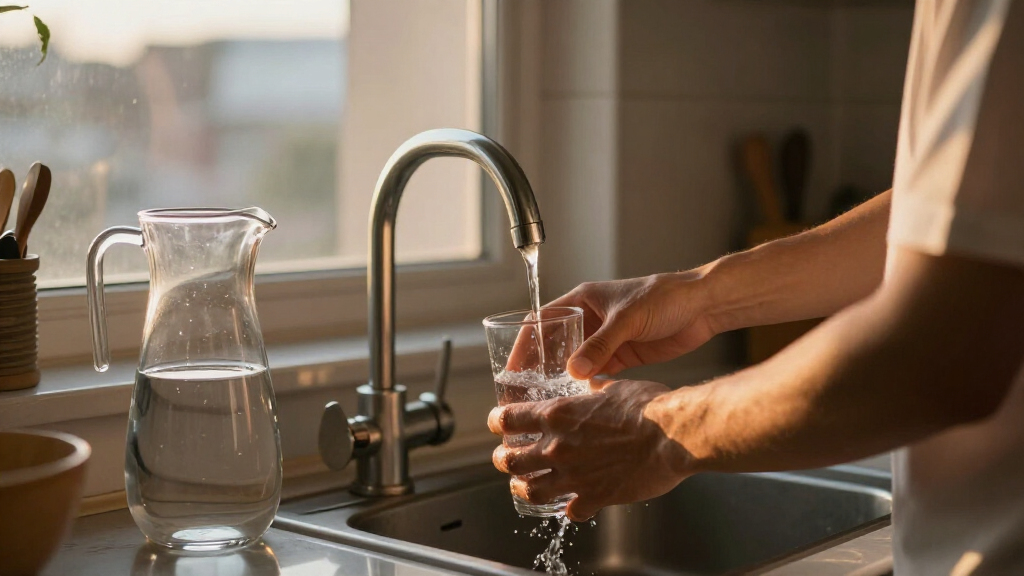
Recent tests show Amsterdam’s tap water exceeds the PFAS safety limit set by RIVM, with levels more than double. The findings raise health concerns, but full details remain unclear.
Recent testing indicates that tap water in Amsterdam contains more than twice the PFAS levels recommended by the Dutch National Institute for Public Health and the Environment (RIVM), raising concerns about public health safety. The findings, confirmed by local authorities, come amid increasing scrutiny of PFAS contamination in water supplies across the Netherlands and Europe.
The measurements, conducted by independent laboratories and reported by Het Parool, show that PFAS concentrations in Amsterdam’s tap water exceed the RIVM threshold of 0.1 micrograms per liter by more than 200%. Exact levels vary across different sampling points but consistently remain above the recommended limit. The authorities have acknowledged the results but have not yet issued an official health advisory or detailed response.
PFAS, or per- and polyfluoroalkyl substances, are a group of synthetic chemicals linked to health issues including cancer, immune system effects, and hormonal disruption. The presence of elevated PFAS levels in drinking water is a growing concern across Europe, with several cities facing similar challenges. The source of contamination in Amsterdam is still under investigation, with some experts pointing to industrial activities and firefighting foam residues as potential contributors.
Implications for Public Health and Water Safety in Amsterdam
The elevated PFAS levels in Amsterdam’s tap water could pose health risks to residents, especially with long-term exposure. Although the exact health impact remains under study, the fact that levels surpass safety recommendations is significant. Local authorities and health experts are now under pressure to assess the situation thoroughly and determine whether immediate action, such as water treatment upgrades or advisories, is necessary. This incident also highlights broader issues of environmental contamination and regulatory enforcement concerning PFAS across Europe.
As an affiliate, we earn on qualifying purchases.
Rising Concerns Over PFAS in European Water Supplies
PFAS contamination has become a widespread issue in Europe, with several cities reporting detectable levels in drinking water sources. The chemical’s persistent nature makes cleanup difficult, and recent studies link chronic exposure to various health problems. The Dutch government has set a safety limit of 0.1 micrograms per liter for PFAS in drinking water, but enforcement and monitoring have faced criticism. The current findings in Amsterdam are part of a broader pattern of increasing concern over environmental and public health safety related to these chemicals.
As an affiliate, we earn on qualifying purchases.
Unresolved Questions About Source and Health Impact
It is still unclear what specific sources are contributing to the elevated PFAS levels in Amsterdam’s water. The exact health risks associated with the detected concentrations are also under ongoing scientific review. Authorities have not yet issued formal advisories or detailed risk assessments, and further testing is expected to clarify these issues in the coming weeks.
As an affiliate, we earn on qualifying purchases.
Next Steps in Investigation and Public Communication
Local authorities are expected to conduct comprehensive source investigations and implement additional water treatment measures if necessary. Public health agencies will likely issue updated guidance based on further research. Residents are advised to stay informed and follow official communications regarding water safety in Amsterdam.
As an affiliate, we earn on qualifying purchases.
Key Questions
What are PFAS chemicals and why are they dangerous?
PFAS are a group of human-made chemicals used in various industrial and consumer products. They are persistent in the environment and human body, and exposure has been linked to health issues such as cancer, immune system effects, and hormonal disruptions, according to health authorities.
How much higher are the PFAS levels in Amsterdam’s tap water compared to the safety limit?
The levels are more than twice the 0.1 micrograms per liter safety threshold recommended by RIVM, according to recent test reports.
Should residents of Amsterdam stop drinking tap water?
There is no official advisory yet. Authorities are still assessing the situation. Residents are advised to stay informed through official channels and follow any guidance issued in the coming days.
What is being done to address the contamination?
Investigations into the contamination source are underway, and authorities may implement additional treatment measures or advisories based on further findings. The situation is still developing.
Are other cities in the Netherlands or Europe facing similar issues?
Yes, several other cities across Europe have reported detectable PFAS in drinking water, reflecting a broader environmental challenge with ongoing research into health impacts and mitigation strategies.
Source: local
Fall Picks
fall essentials
As an affiliate, we earn on qualifying purchases.