

Recurring dreams often reveal what your subconscious is rehearsing—unresolved conflicts, hidden worries, or emotional stress you haven’t fully processed. These dreams can involve familiar places, people, or situations, but with slight twists that highlight ongoing issues. They may also be influenced by sleep disorders that disrupt your rest. Paying attention to these dreams can give you insight into your emotional state and help you work through underlying concerns. Continue exploring to discover what your mind is truly rehearsing.
Key Takeaways
- Recurring dreams often symbolize unresolved conflicts or persistent worries from your subconscious.
- They may reflect emotional processing during stress, change, or trauma, helping you work through underlying issues.
- Recognizable symbols in these dreams provide insights into your emotional states and hidden fears.
- Sleep disturbances, such as insomnia or sleep apnea, can increase the frequency and vividness of recurring dreams.
- Managing sleep quality and addressing emotional concerns can reduce the recurrence of these symbolic nighttime rehearsals.
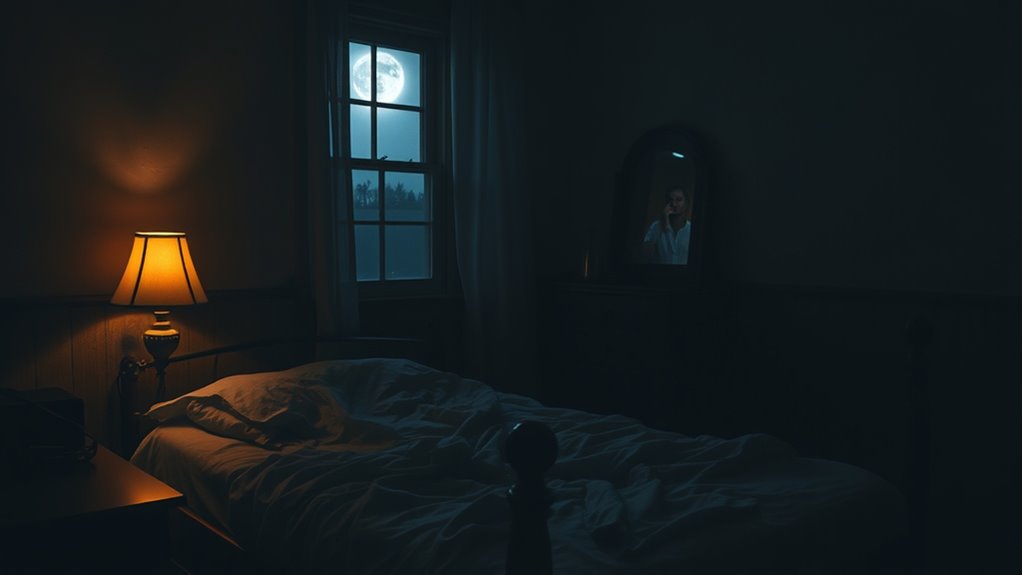
Have you ever woken up feeling puzzled after a dream that keeps returning night after night? Recurring dreams can be unsettling, leaving you wondering what your mind is trying to tell you. These dreams often carry significant dream symbolism, acting as symbols or messages from your subconscious. They might feature familiar places, people, or situations that seem to repeat, each time with slight variations. When you experience these dreams regularly, it’s natural to ask whether they’re connected to sleep disorders or emotional issues. Understanding what recurring dreams mean can help you decode what your mind is rehearsing and why.
Recurring dreams frequently point to unresolved conflicts or persistent worries. For example, dreaming about losing your teeth might symbolize feelings of powerlessness or fear of aging. Dream symbolism like this offers clues about your emotional state, revealing underlying anxieties you may not consciously acknowledge. Sometimes, these dreams appear during periods of stress or significant life changes, acting as a mirror to how you’re processing those emotions. If your dreams involve falling, it could reflect feelings of insecurity or a loss of control in your waking life. Recognizing these symbols can give you insight into what your subconscious is trying to process.
Recurring dreams reveal hidden worries and unresolved conflicts, offering insight into your emotional and subconscious state.
It’s also important to contemplate the role of sleep disorders in recurring dreams. Sleep disturbances such as insomnia, sleep apnea, or restless leg syndrome can disrupt the natural sleep cycle, increasing the likelihood of vivid or repetitive dreams. When your sleep isn’t restful, your brain may enter lighter stages of sleep more often, making it easier to remember these recurring images. Sleep disorders can intensify the emotional impact of these dreams, making them feel more urgent or distressing. In some cases, these dreams serve as warnings that your sleep quality needs attention. Addressing sleep disorders through lifestyle changes, medical therapy, or relaxation techniques can reduce the frequency of these dreams and improve overall sleep health. Additionally, understanding the dreaming process can shed light on why certain images persist.
Ultimately, recurring dreams aren’t just random images; they’re an invitation to explore what’s happening beneath the surface. Paying attention to dream symbolism can help you identify emotional or psychological issues you might not fully understand. If these dreams are causing distress or disrupting your sleep, consulting a healthcare professional or a sleep specialist can be beneficial. They can help determine if sleep disorders are influencing your dreams and suggest ways to restore restful sleep. Remember, your mind is rehearsing something important—whether it’s unresolved feelings or a signal for better rest. Listening carefully to these dreams can guide you toward greater self-awareness and improved well-being.
Frequently Asked Questions
Can Recurring Dreams Predict Future Events?
Recurring dreams don’t directly predict future events, but they can reveal psychological interpretations and dream symbolism that highlight your current concerns or fears. By paying attention to these themes, you might gain insight into unresolved issues or emotional patterns. While they won’t tell you what’s coming, understanding their meaning can help you address underlying stressors, ultimately guiding you toward personal growth and better decision-making.
Do Recurring Dreams Have Cultural Significance?
You might find that recurring dreams hold deep cultural symbolism and spiritual interpretations, reflecting your beliefs or societal influences. These dreams often symbolize universal themes like transformation, fears, or hopes, rooted in cultural narratives or spiritual understandings. By paying attention to the symbols and messages in your recurring dreams, you can gain insight into your subconscious and connect with your cultural or spiritual identity, enriching your personal growth and self-awareness.
How Do Recurring Dreams Differ Across Ages?
You’ll notice recurring dreams differ across ages, often reflecting childhood fears or aging memories. Children’s dreams tend to be more fantastical, focusing on fears like monsters or separation. As you age, dreams often become more complex, dealing with life changes and regrets. You might find yourself revisiting memories or fears from earlier years, showing how your subconscious processes evolving emotions and experiences over time.
Can Medication Influence Recurring Dreams?
Yes, medication can influence recurring dreams by causing side effects that alter your sleep cycles or mood. Some medications, like antidepressants, may suppress dreams, while others might increase vividness or frequency. You can try dream suppression techniques, such as maintaining a consistent sleep schedule or avoiding caffeine before bed, to manage recurring dreams. Always consult your doctor if you notice significant changes or unsettling dreams related to medication use.
Are There Specific Techniques to Stop Recurring Dreams?
You can stop recurring dreams by exploring specific techniques like dream journaling and relaxation methods. Dream journaling helps you identify patterns and triggers, while relaxation techniques like deep breathing and meditation calm your mind before sleep. Picture yourself writing your dreams, then gently releasing stress with each breath. Combining these practices creates a calming routine, transforming restless nights into peaceful sleep, and gradually reducing the frequency of recurring dreams.
Conclusion
So, don’t dismiss these disturbing déjà vu dreams. Unlock deeper, discover their meaning, and decode what your mind might be rehearsing. Recognize the recurring reflections, and remember, resolving these restless reruns can restore restful nights. By bravely bridging your subconscious, you bring balance back to your bedtime, banishing bothersome barriers. Embrace understanding, unravel the unresolved, and delve your mind’s mysterious messages. Your journey to joyful, rejuvenating sleep begins with awareness and action.