
TL;DR

Get self-care and calm essentials delivered free — and shop member deals
- Fast, free delivery on millions of items
- Access to Prime Big Deal Days deals on October 6–7
- Prime Video, Amazon Music and more included
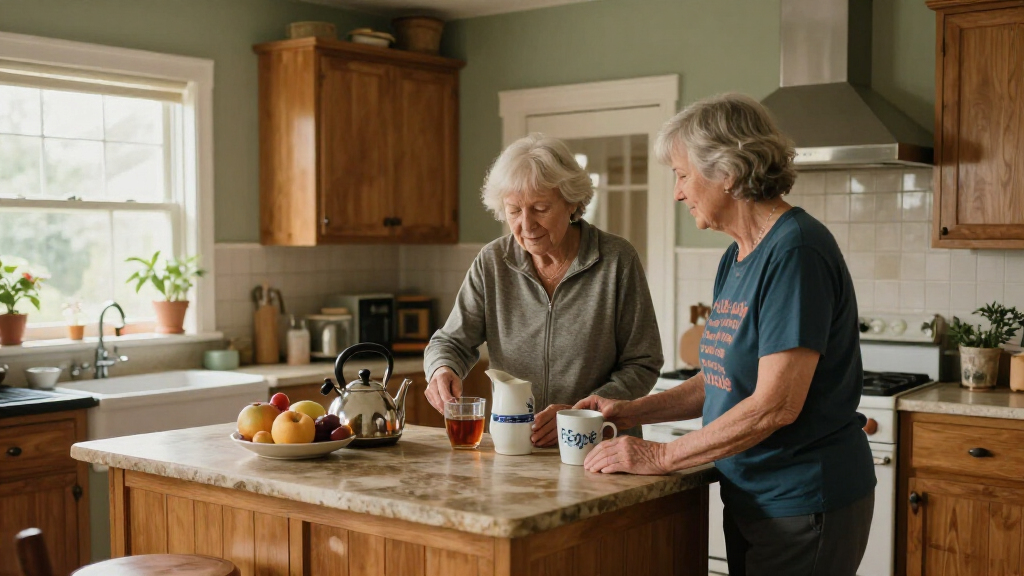
A Sixty and Me personal report describes three women in their 70s who have built an informal support system in their apartment building in Cuenca, Ecuador. Their arrangements include check-ins, spare keys, emergency contacts and planning for possible in-home care; one friend also bought another’s apartment after its owner decided to sell.
A personal report published by Sixty and Me describes how three women in their 70s living in the same apartment building in Cuenca, Ecuador, have created an informal network to help one another age in place. Their plans range from a three-day check-in rule and shared emergency information to possible pooled funding for future in-home care, illustrating one way older adults who live alone can coordinate practical support while retaining their independence.
The women—identified by the writer as Blake, Emma and the author—did not move into the building intending to form an aging-in-place group. Their friendship grew from drinks and dinners into regular conversations and mutual support. The report says the three now check on one another if they have not heard from a friend for three days, replacing an earlier routine of morning and evening messages that they found too demanding.
They each keep a spare key to the others’ apartments and have shared emergency contacts through a group on their phones. The writer says they also prepared laminated contact sheets with local emergency numbers, hospitals, ambulance companies, doctors and legal contacts. More private lists identify relatives and other people to contact if a friend needs help. These are arrangements described by the participants, not a formal care service.
The group has discussed setting aside money in an interest-bearing account to help pay for a caregiver or nurse in the future. One possible plan would involve renting an apartment in the building for that worker. The report says the idea is still being worked out and provides no details on funding, legal arrangements or care needs. The group also experienced a significant housing change: after Blake’s landlord decided to sell the apartment, Emma bought it, according to the account, so Blake could remain in the building.
The account shifts attention from the physical home to the people and routines around it. Stairs, bathroom access and proximity to medical care can affect whether someone can remain at home, but the report highlights another practical question: who will notice if something is wrong, and who can help make contact or respond?
For people living alone, a trusted local network may offer companionship and a way to coordinate small, concrete actions. In this case, that includes a defined check-in period, access to spare keys and a shared list of emergency contacts. Those steps may make it easier for friends to respond when someone does not answer, although the report does not establish that the arrangement guarantees safety or replaces professional care.
The apartment purchase also shows how housing stability can shape the group’s plans. Emma’s decision allowed Blake to stay in the building, according to the writer. It was a personal act, not a model shown to be affordable or replicable for others. The wider takeaway is narrower: maintaining a home can depend on social ties and housing circumstances as well as adaptations to the building itself.
personal emergency contact list organizer
As an affiliate, we earn on qualifying purchases.
As an affiliate, we earn on qualifying purchases.
How Their Friendship Became a Plan
The writer frames the account around a familiar concern: wanting to stay in a home while aging, and thinking through safety, accessibility and access to medical care. The three women met in a restored colonial apartment building in Cuenca. They have different housing and family circumstances: Blake rents and is widowed with an adult child; Emma is divorced and lives alone; the writer describes herself as single and owns her apartment. The report does not provide their full names.
Their support system developed gradually rather than through a formal organization. They first met socially, then began sharing more personal conversations and looking out for one another. Their early twice-daily check-ins gave way to the simpler three-day rule. They later exchanged keys and prepared emergency information. The article presents these steps as the group’s own evolving choices, not as a standard program or professional recommendation.
As an affiliate, we earn on qualifying purchases.
Care Plans Still Need Details
The report does not say whether the proposed shared fund has been created, how much each woman might contribute, or how a caregiver would be selected and paid. The group says it is still working through the logistics and has only discussed renting an apartment in the building for possible future care.
It is also unclear what formal safeguards govern the shared keys, emergency contacts and phone alert system, or how the women would handle a situation requiring medical judgment or sustained care. The account does not identify the emergency-line setup in technical detail. It describes a personal arrangement, not an evaluated care plan, and does not report whether other building residents have joined.
As an affiliate, we earn on qualifying purchases.
The Group Is Still Planning
The next stated step is to work through the practical details of the possible shared care fund and consider whether other residents might want to take part. The report gives no timetable or confirmed decision about opening an account, hiring a caregiver or renting another apartment.
For now, the three women’s arrangements remain informal: they check in after three days without contact, keep one another’s keys and share emergency information. The source does not describe any further scheduled milestone. Whether their support model grows beyond the trio, or changes as their needs evolve, remains open.
As an affiliate, we earn on qualifying purchases.
Key Questions
What did the three women set up to support one another?
According to the Sixty and Me report, they use a three-day check-in rule, hold spare keys to one another’s homes, share emergency contacts and keep written lists of important medical, legal and local emergency information.
Have they started a fund to pay for a caregiver?
No fund is reported as established. The women have discussed putting money aside to help pay for possible in-home care, but the report says they are still working out the details.
Why did Blake remain in the apartment building?
The writer says Blake’s landlord decided to sell the apartment, after which Emma bought it. The account says this allowed Blake to remain in the building; it does not provide financial or legal details of the purchase.
Is this a formal aging-in-place program?
No. The source describes a personal support arrangement among friends, not a formal program, professional care service or proven template for other households.
Source: rss
Halloween Picks
halloween
As an affiliate, we earn on qualifying purchases.