
TL;DR

Get self-care and calm essentials delivered free — and shop member deals
- Fast, free delivery on millions of items
- Access to Prime Big Deal Days deals on October 6–7
- Prime Video, Amazon Music and more included
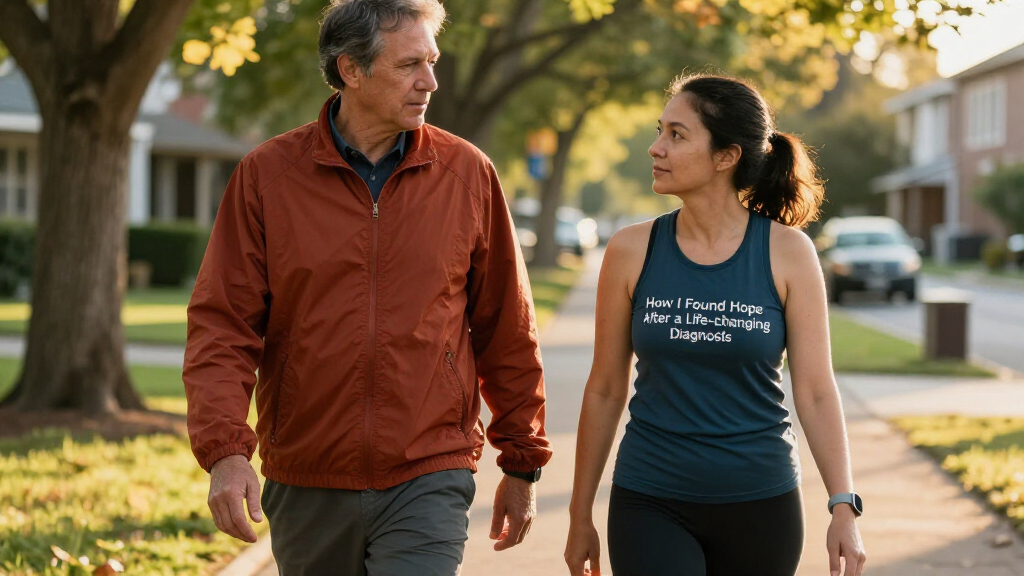
A woman diagnosed with multiple sclerosis at 31 says she has had no clinical relapse for more than 12 years and now leads an active life. In a personal essay for Tiny Buddha, she says lifestyle changes supported her well-being but she cannot show that any one change caused her improvement; she cautions readers not to treat her experience as medical advice.
A woman diagnosed with multiple sclerosis in 2014, at age 31, says she has lived for more than 12 years without another clinical relapse and now leads an active life. In a personal essay published by Tiny Buddha, she describes how the diagnosis and a warning about possible mobility loss changed her priorities, while stressing that her experience does not establish a treatment or explain what caused her improvement.
Before her diagnosis, the author says she experienced numbness, vertigo, falls, loss of coordination, reading difficulties, disorientation and bladder problems. An MRI showed more than 30 lesions in her brain and more than 20 in her spinal cord. She recalls being warned that, given the number and location of the lesions, her ability to walk could deteriorate significantly within six to 12 months.
After the diagnosis, she changed her nutrition, paid closer attention to digestive health, meditated and tried different forms of movement. She began yoga and Pilates and later added regular strength training. She says her symptoms gradually receded and that a later MRI showed no new lesions. She reports no clinical relapse for more than 12 years and says she trains regularly, but the essay does not include medical records or independently verify those details.
The author also describes how her efforts initially became another form of perfectionism: she scrutinized meals, routines and physical sensations, and worried that setbacks meant she had done something wrong. Over time, she says, she came to distinguish taking an active role in her health from blaming herself for illness or symptoms. Her account frames hope not as a promise of recovery, but as a way to notice what remains possible.
Hope Without a Guaranteed Recovery
The essay matters because personal accounts of serious illness can offer readers a view of the emotional work that follows a diagnosis, including fear, uncertainty and the struggle to regain trust in one’s body. The author says movement helped her feel capable again, but also cautions against turning her experience into a standard others are expected to follow.
Her distinction between responsibility and blame is central: people can make health-supporting choices and still face symptoms or setbacks. The account also makes clear that lifestyle changes do not prove a cause-and-effect link. That qualification is especially relevant for readers considering health decisions, as the author says her story is personal and is not a reason to abandon appropriate medical care.
As an affiliate, we earn on qualifying purchases.
The Diagnosis and Its Aftermath
The author says symptoms had been building for months before the 2014 MRI and diagnosis. The possibility of losing mobility within months unsettled her belief that planning and effort could make the future predictable. She had worked in banking and describes applying the same drive for control to her health after the diagnosis.
Her essay follows a personal timeline: initial fear, changes to daily habits, a period of self-imposed pressure, and a gradual shift toward sustainable routines. Yoga and Pilates helped her reconnect with movement, she writes, while strength training later offered experiences of physical capability. These are descriptions of her own experience, not evidence that the activities caused her reported medical outcome.
““I cannot prove that one specific action caused my recovery.””
— The author, writing in Tiny Buddha
yoga and Pilates accessories for beginners
As an affiliate, we earn on qualifying purchases.
As an affiliate, we earn on qualifying purchases.
What the Account Cannot Establish
The essay does not identify a single cause for the author’s reported improvement. She explicitly says she cannot determine whether nutrition, meditation, digestive-health changes, movement, reduced stress or another factor contributed, and her account provides no basis for isolating their effects. It is also a personal narrative rather than an independently reviewed medical report.
The source does not provide the author’s name in the supplied material or details about ongoing clinical care, current MRI findings beyond the reported scan with no new lesions, or how her symptoms have changed over time. Her reported experience cannot predict the course of MS for another person.
As an affiliate, we earn on qualifying purchases.
A Continuing Practice of Self-Care
The essay describes no scheduled medical milestone or announced next step. The author says she continues to lead an active life and train regularly, while aiming for sustainable habits rather than a perfect routine. Her account leaves the longer-term course of her MS open rather than presenting recovery as complete or guaranteed.
For readers, the practical next step is not to copy her choices as a treatment plan. She says people can ask questions, seek support and take part in decisions about their care; medical decisions should be discussed with qualified health professionals.
As an affiliate, we earn on qualifying purchases.
Key Questions
When was the author diagnosed with multiple sclerosis?
She says she was diagnosed in 2014, at age 31, after an MRI showed more than 30 lesions in her brain and more than 20 in her spinal cord.
What changes did she make after her diagnosis?
She says she changed her nutrition, paid more attention to digestive health, meditated and explored movement practices, including yoga, Pilates and later strength training.
Does the essay show that these changes caused her improvement?
No. The author says she cannot prove that one specific action caused her recovery. The essay is a personal account, not evidence that the same changes will produce the same outcome for others.
Is her story medical advice for people with MS?
No. The author says her experience is not a universal treatment plan and is not a reason to abandon appropriate medical care. Readers should consult qualified health professionals about medical decisions.
Source: rss
Evergreen bestsellers Picks
bestsellers
As an affiliate, we earn on qualifying purchases.